
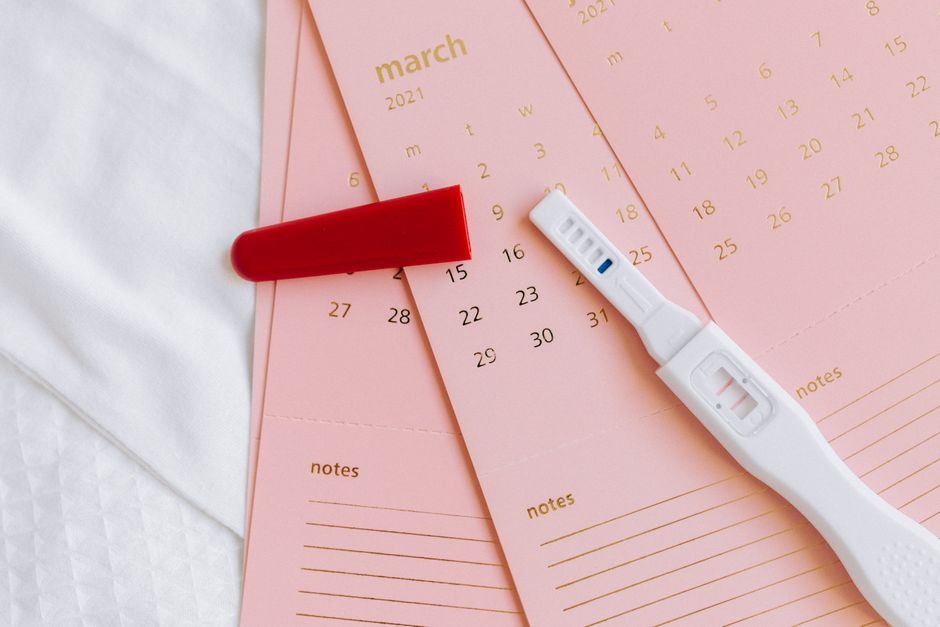
Ovulation tests show a positive result when they detect a surge in luteinizing hormone (LH) in your urine. This LH surge happens 24 to 36 hours before you ovulate, so a positive test means your most fertile window is about to start. Most tests use a control line and a test line — if the test line is as dark or darker than the control line, the result is positive.
How Do Ovulation Tests Actually Work?
Ovulation predictor kits (OPKs) measure luteinizing hormone in your urine. LH is always present in small amounts, but your body releases a large amount right before ovulation. This is called the LH surge.
The test works like a pregnancy test but for a different hormone. You dip a test strip in urine or hold it in your stream. Two lines appear. One is the control line to show the test is working. The other is the test line that detects LH.
When the test line is as dark or darker than the control line, the test is positive. This means the LH surge has started. Ovulation usually follows within the next day or two.
Research published in the journal Fertility and Sterility found that OPKs detect the LH surge with over 90% accuracy when used correctly. That is a strong track record for an at-home test.
When Exactly Should You Expect a Positive Result?
Timing matters a lot. If you test too early or too late in your cycle, you will miss the surge. Most women ovulate around day 14 of a 28-day cycle, but cycles vary.
For a typical 28-day cycle, start testing around day 10 or 11. Test once a day until you see a positive. For shorter cycles around 24 days, start testing on day 7. For longer cycles around 32 days, start on day 14.
The LH surge itself is short. It usually lasts 24 to 48 hours. That is why daily testing is important. Some women surge in the morning and test negative by evening. Others surge at night and test positive the next morning.
A study in Human Reproduction found that testing between 10 a.m. and 2 p.m. may catch more surges than first-morning urine. The reason is that LH builds up in your system during the night but takes time to appear in urine at high enough levels.
What Does a Positive Result Look Like on Different Tests?
Not all tests look the same. There are two main types: standard line tests and digital tests.
Standard line tests show two lines. A positive result means the test line is as dark or darker than the control line. Some women find this confusing because a faint test line can appear even when you are not surging. That faint line is just your baseline LH. It does not mean positive.
Digital tests take the guesswork away. They display a smiley face or the word “positive” when they detect the surge. They are more expensive but easier to read.
There are also “fertility monitors” that track multiple hormones. These can detect estrogen rises before the LH surge, giving you more warning. But for a simple yes-or-no answer, standard OPKs work fine.
| Test Type | How It Shows Positive | Cost Per Cycle | Ease of Reading |
|---|---|---|---|
| Standard line test | Test line as dark or darker than control | $10 – $25 | Moderate – some guesswork |
| Digital test | Smiley face or “positive” | $30 – $50 | Easy |
| Fertility monitor | Digital display of fertile days | $100 – $300+ | Easy but requires setup |



What Can Cause a False Positive or Confusing Result?
False positives are rare but possible. Some medical conditions and medications can cause a positive result when you are not actually ovulating.
Polycystic ovary syndrome (PCOS) is the most common cause of false positives. Women with PCOS often have elevated LH levels throughout their cycle. This means the test line may always be dark or fluctuate randomly. The test cannot distinguish between a true surge and a chronic high baseline. If you have PCOS, digital tests or fertility monitors may not work either. Some women with PCOS need ultrasound monitoring from a doctor.
Certain medications also interfere. Clomiphene citrate (Clomid) can cause a false positive if you test too soon after taking it. Human chorionic gonadotropin (hCG) injections used in fertility treatments will also trigger a positive result. Pregnancy itself causes a positive because hCG and LH are chemically similar enough that the test can mistake them.
Menopause or perimenopause raises LH levels naturally. Women over 40 may see persistent positive results even if they are not ovulating. The test is not designed for women with high baseline LH.
One more thing: dilute urine can cause false negatives. If you drink a lot of water before testing, your urine may not have enough LH to trigger the test. Try to test with moderately concentrated urine, ideally after holding your bladder for a few hours.
When Do Ovulation Tests Show A Positive Result After Your Period?
For most women, a positive result appears between day 10 and day 16 of their cycle. Day 1 is the first day of full flow bleeding. If you have a textbook 28-day cycle, you will likely see a positive around day 14.
But cycles are not always textbook. Stress, illness, travel, and weight changes can shift ovulation earlier or later. Some women ovulate as early as day 8. Others ovulate after day 20. If your cycles are irregular, you may need to test for a longer stretch.
A good rule of thumb: start testing about 4 to 5 days before you expect ovulation based on your average cycle length. If your cycles vary by more than 7 days, consider using a fertility monitor that tracks estrogen first. Estrogen rises a few days before the LH surge, giving you a heads-up to start testing more frequently.
Some women never see a positive result even if they are ovulating. This can happen if you miss the surge by testing only once a day. The surge can start and end within 12 hours. Testing twice a day — once in the morning and once in the early afternoon — catches more surges. A study in Obstetrics & Gynecology found that testing twice daily increased detection rates from 80% to over 95%.
Common Mistakes That Lead to Wrong Results
Most problems with ovulation tests come from user error, not the test itself. Here are the most common mistakes:
- Testing at the wrong time of day. First-morning urine is not ideal for LH. Test between 10 a.m. and 2 p.m. or early evening.
- Not testing long enough. Some women stop testing after day 14 and miss a late surge. Keep testing until you get a positive or your next period starts.
- Drinking too much water before testing. Dilute urine can hide the surge. Limit fluids for 2 to 3 hours before testing.
- Reading the test too early or too late. Follow the package instructions exactly. Most tests require a 3- to 5-minute wait. Reading after 10 minutes can give a false result.
- Using expired tests. The chemicals degrade over time. Check the expiration date before each cycle.
- Confusing a faint line with a positive. A faint test line is not positive. Only a line as dark or darker than the control line counts.
If you follow these guidelines and still never see a positive, it may be worth talking to your doctor. Anovulation — cycles without ovulation — affects about 10% of women of reproductive age. Blood tests and ultrasound can confirm whether you are ovulating.
What to Do After You Get a Positive Result
A positive ovulation test means you are about to enter your most fertile window. Ovulation usually happens 24 to 36 hours after the surge starts. The egg survives about 12 to 24 hours after release. Sperm can live in the reproductive tract for up to 5 days.
The best timing for intercourse is the day of the positive test and the next two days. That covers the window when the egg is most likely to be available. If you are tracking for pregnancy, this is your target zone.
Some women continue testing after a positive to see how long the surge lasts. That is not necessary. One positive test is enough to confirm the surge started. Further testing will not give you more useful information.
If you are using ovulation tests to avoid pregnancy, be careful. These tests predict fertility but are not reliable birth control. The timing can shift, and sperm survive for days. Do not rely on OPKs alone for contraception.
Frequently Asked Questions
Can I get a positive ovulation test if I am pregnant?
Yes, because pregnancy tests and ovulation tests both detect hormones that are chemically similar. A positive OPK during early pregnancy is possible but not reliable.
How many days after a positive ovulation test do you ovulate?
Ovulation usually happens 24 to 36 hours after the LH surge starts. The positive test marks the beginning of that surge.
Why did I get a positive ovulation test but never ovulate?
This can happen with PCOS, perimenopause, or certain medications. The test detects LH but cannot confirm that an egg is actually released.
Can stress delay a positive ovulation test?
Yes, stress can delay or skip ovulation entirely. If stress shifts your cycle, you may see a positive later than expected or not at all that month.
