
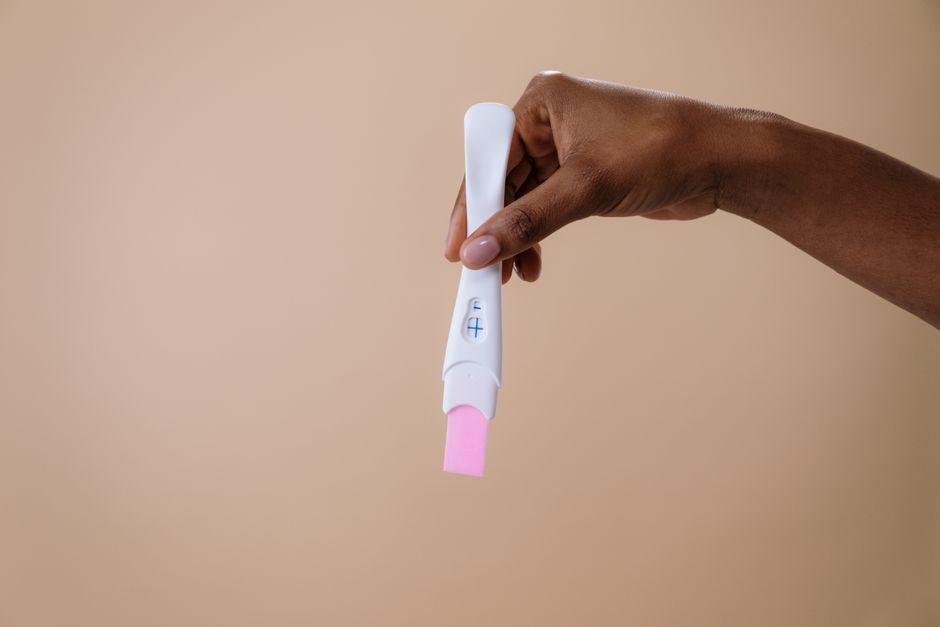
A positive pregnancy test usually brings relief or excitement. But sometimes the result does not match what doctors expect from a healthy pregnancy. This is called a positive abnormal pregnancy test. It means that the test detected the pregnancy hormone hCG, but the level or pattern of hCG does not follow the normal course of a viable uterine pregnancy. This finding often points to an early miscarriage, an ectopic pregnancy, or another condition that needs prompt medical evaluation. A positive abnormal result is not a diagnosis on its own—it is a signal that further testing is needed.
What Does a Positive Abnormal Pregnancy Test Mean?
A positive abnormal pregnancy test means your body produced enough human chorionic gonadotropin (hCG) to turn a pregnancy test positive, but the pregnancy is not developing normally inside the uterus. In a healthy pregnancy, hCG levels rise rapidly and predictably. When levels rise too slowly, plateau, or begin to drop, the pregnancy may be nonviable. The test itself cannot tell you what is wrong—it only confirms the presence of hCG. Doctors use blood tests, ultrasound, and your symptoms to find the cause.
What Causes an Abnormal Pregnancy Test Result?
Several conditions can produce a positive abnormal result. The most common is an early miscarriage, often called a chemical pregnancy. This happens when a fertilized egg implants briefly but stops developing before a pregnancy is visible on ultrasound. Ectopic pregnancy is another cause—the embryo implants outside the uterus, most often in a fallopian tube. Molar pregnancy, a rare condition where abnormal tissue grows instead of a normal embryo, also produces hCG. Less common causes include pituitary hCG production (rare) or certain medications that contain hCG, such as some fertility treatments.
How Is an Abnormal Pregnancy Test Diagnosed?
Diagnosis starts with a blood test that measures the exact hCG level. A single number is not enough—doctors usually repeat the test 48 to 72 hours later. In a normal early pregnancy, hCG levels roughly double in that window. When the rise is slower, levels fall, or when hCG is present but no pregnancy is seen on ultrasound, doctors suspect an abnormal pregnancy. A transvaginal ultrasound is used to check for a gestational sac inside the uterus. If the sac is missing and hCG is above a certain threshold (commonly around 1500–2000 mIU/mL), an ectopic pregnancy becomes likely. Your doctor will also ask about pain, bleeding, and any history of ectopic pregnancies or miscarriages.





What Should You Do If You Get a Positive Abnormal Pregnancy Test?
Contact your healthcare provider the same day. Do not wait. An ectopic pregnancy can rupture a fallopian tube and cause life-threatening bleeding. Even if the cause is an early miscarriage, you need follow‑up to make sure the pregnancy tissue passes completely and your hCG returns to zero. Your doctor will order serial hCG blood tests and schedule an ultrasound. Avoid taking any medications or supplements that claim to “support” the pregnancy—nothing has been proven to change the outcome of an abnormal pregnancy, and some could be harmful. Ask your provider what symptoms to watch for: sharp pelvic pain, shoulder pain, dizziness, or heavy bleeding require emergency care.
Can a Positive Abnormal Pregnancy Test Be a False Positive?
True false positives are very rare with modern urine pregnancy tests. The test detects hCG, and other substances almost never cross-react. However, certain medical conditions can cause a persistently positive test without a pregnancy. These include some ovarian tumors, pituitary problems (especially in women approaching menopause), and very rarely, certain kidney or liver diseases. If hCG remains detectable but no pregnancy is found and levels are low, your doctor may check for these causes. Fertility medications that contain hCG can also cause a positive test for up to two weeks after the last dose. A positive abnormal test is almost always a true positive for hCG, but the hCG may or may not come from a viable intrauterine pregnancy.
What Are the Different Types of Abnormal Pregnancies?
Here are the most common ones:
- Chemical pregnancy – A very early miscarriage before the pregnancy is visible on ultrasound. hCG rises then falls. Often the only sign is a slightly late period.
- Ectopic pregnancy – The embryo implants outside the uterus. hCG rises slowly or poorly. Untreated, it can be dangerous.
- Molar pregnancy – Abnormal placental tissue grows instead of a normal embryo. hCG levels are often very high. It is not a viable pregnancy and requires treatment.
- Missed miscarriage – The embryo stops developing but the body does not pass the tissue right away. hCG levels may plateau or fall slowly.
Each type requires a different management approach. Doctors determine the specific diagnosis through ultrasound and serial hCG measurements.
Emotional and Practical Next Steps
An abnormal pregnancy test can be confusing and emotionally difficult. You may feel a mix of hope and loss. It is important to know that an abnormal result almost never means a healthy baby is on the way. Allow yourself time to process the news, and talk to your partner or a trusted friend. Many people find it helpful to ask their doctor: “What specifically is my hCG level and how fast is it changing?” and “When will we have a clear diagnosis?” Knowing what to expect can reduce some anxiety. If you have a confirmed miscarriage or ectopic pregnancy, ask about support groups or counseling—emotional recovery matters as much as physical recovery.
Frequently Asked Questions
Can a positive abnormal pregnancy test turn into a normal pregnancy?
No. A positive abnormal result means the pregnancy is not developing normally, and it will not become a healthy pregnancy. The outcome is either miscarriage or treatment for an ectopic or molar pregnancy.
How long after a positive abnormal test should I repeat the hCG test?
Your doctor will typically ask you to return for a blood test in 48 to 72 hours. The change in hCG level over that window is key to diagnosing the problem.
Does bleeding with a positive abnormal test mean I am having a miscarriage?
Bleeding is common in both miscarriage and ectopic pregnancy. You cannot tell the difference based on bleeding alone. An ultrasound and hCG levels are needed to determine the cause.
Can stress cause a positive abnormal pregnancy test?
No. Stress does not affect hCG production or cause an abnormal pregnancy test. The result reflects a real biological condition that needs medical evaluation.
