
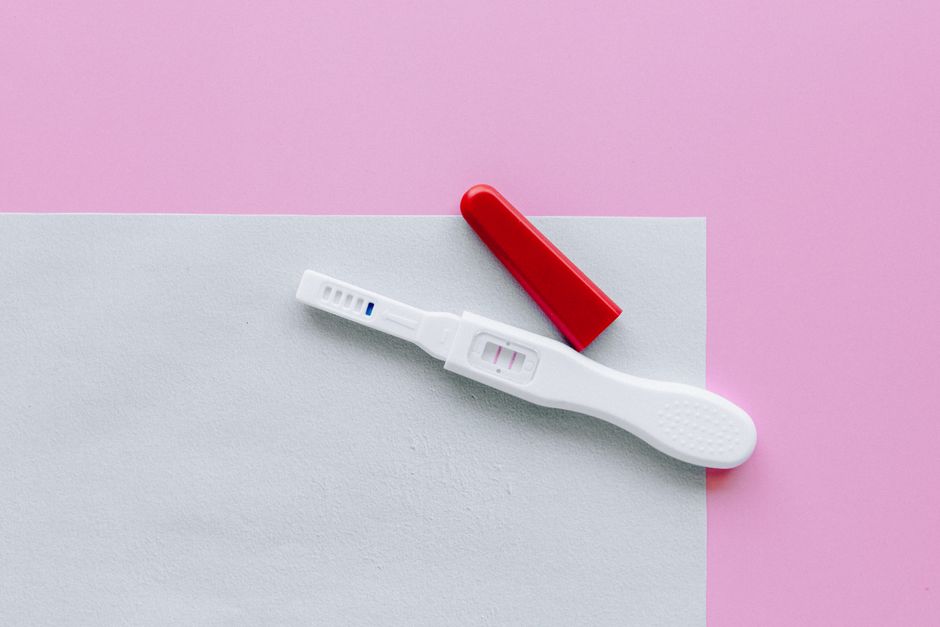
A pregnancy test line that isn’t getting darker is a common source of anxiety. The short answer is that a test line’s darkness is tied to the amount of hCG hormone in your urine, and that level fluctuates for several normal reasons. A lighter line does not automatically mean a problem, but it also does not guarantee everything is fine. Here is what you need to know about why the line changes, what it means, and when to call your doctor.
How Pregnancy Tests Actually Work
Home pregnancy tests detect human chorionic gonadotropin (hCG). This hormone is produced by cells that form the placenta shortly after a fertilized egg implants in the uterus. hCG enters your bloodstream and is filtered into your urine.
In a healthy early pregnancy, hCG levels typically double every 48 to 72 hours during the first several weeks. That rapid rise is why many people expect the test line to get darker each day. But the test strip is not a precise measuring tool. It is a threshold detector. It turns positive when hCG crosses a certain level, usually around 20 to 25 mIU/mL depending on the brand.
Once you are past that threshold, the line can look similar for days. The test simply cannot show fine differences in hormone concentration at higher levels. A line that stays the same shade for a few days is often just the test reaching its visual limit.
Why Is My Pregnancy Test Line Not Getting Darker?
The most common reason is simple: your urine is more diluted. hCG concentration in urine changes with how much fluid you drink and how long you have gone without urinating. First morning urine is the most concentrated. A test taken in the afternoon after drinking water will show a lighter line even if your blood hCG level is rising normally.
Another reason is the hook effect. This is a real phenomenon where extremely high hCG levels overwhelm the test antibodies, causing a false negative or a lighter line. This happens more often in later pregnancy or with multiple pregnancies. It is uncommon in the first few weeks but possible.
Finally, the line may not be getting darker because the pregnancy is not progressing. This includes a biochemical pregnancy, where implantation occurs but development stops early. It can also include an ectopic pregnancy, where the embryo implants outside the uterus. In these cases, hCG rises slowly, plateaus, or falls. The test line reflects that pattern.
You cannot tell which of these is happening from the line alone. That is why repeat testing has limits.
What a Fading Line Does and Does Not Mean
A line that gets visibly lighter over several days is more concerning than a line that stays the same. A clearly fading line suggests hCG levels are dropping. Falling hCG in early pregnancy is associated with pregnancy loss in most cases.
However, a single lighter test is not diagnostic. Urine concentration varies too much. Many women see a lighter line one day and a darker line the next with completely healthy pregnancies.
If you are testing daily, stop. Daily testing creates unnecessary stress. The test was designed to confirm pregnancy, not to monitor its progression. Blood tests and ultrasound are the tools for monitoring.





How to Test More Accurately at Home
If you want the most reliable home test results, follow these steps. Test every 48 hours rather than every day. This gives hCG time to meaningfully rise. Use first morning urine before drinking fluids. Do not drink large amounts of water before testing.
Use the same brand for each test. Different brands have different sensitivity thresholds and dye intensities. Comparing a first response test to a generic strip is not apples to apples.
Read the test within the time window printed in the instructions. A test left out for an hour can develop an evaporation line that looks like a positive result. That line is not a valid reading.
Take a photo of each test in consistent lighting. This helps you compare shades objectively. Memory is unreliable for subtle color differences.
When to Call Your Doctor
Call your doctor if you have a positive home test and any of the following: significant bleeding heavier than a light period, severe pain on one side of your pelvis, shoulder pain, dizziness, or fainting. These can be signs of an ectopic pregnancy, which requires urgent medical care.
Also call if your test line is clearly getting lighter over several tests spaced 48 hours apart. This warrants a blood hCG test. Two blood tests taken 48 hours apart give a much clearer picture than any home test.
If you have no symptoms and the line stays steady, you can wait for your first prenatal visit. Many doctors schedule this around 8 weeks. At that point, an ultrasound can confirm the pregnancy and check for a heartbeat.
The Limits of Home Testing
Home pregnancy tests are excellent at answering one question: are you pregnant? They are not designed to answer how pregnant you are. The line darkness is a rough indicator at best.
Blood tests measure hCG precisely. A single blood test gives an exact number. Two tests 48 hours apart show the trend. In a healthy pregnancy, the number should rise substantially. An ultrasound is the definitive test. It can confirm the pregnancy location and viability.
No clinical guidelines recommend using home test line darkness to diagnose miscarriage or ectopic pregnancy. That diagnosis requires medical evaluation. Relying on line color can delay care or cause needless distress.
Why You Should Stop Testing Daily
Daily testing feeds anxiety. You will scrutinize every shade difference. You will interpret normal variation as a crisis. This stress does not help you or the pregnancy.
If you have already had multiple positive tests, you have confirmed the pregnancy. The next step is prenatal care, not another test. Put the tests away and call your doctor.
If you have a history of pregnancy loss, daily testing can be especially painful. The line cannot tell you the outcome. Only medical evaluation can. Consider asking your doctor for blood hCG testing if you need reassurance.
What Research Says About Test Line Intensity
Some studies have examined whether test line intensity correlates with hCG levels. Research suggests there is a general relationship between line darkness and urine hCG concentration. But the correlation is not strong enough to be clinically useful. One study found that test line intensity could not reliably predict pregnancy outcome.
Manufacturers do not claim their tests can monitor pregnancy progression. The FDA classifies them as qualitative tests. Qualitative means they give a yes or no answer. Quantitative tests, which give exact numbers, are done in a lab.
Marketing images showing progressively darker lines have created an expectation that home tests work this way. They do not. The hook effect, urine dilution, and test sensitivity all interfere. A steady or slightly variable line is common in normal pregnancies.
Frequently Asked Questions
Can a pregnancy test line get lighter and still be a healthy pregnancy?
Yes, a lighter line can appear in a healthy pregnancy, especially if your urine is more diluted or you tested at a different time of day. But a consistently fading line over several tests warrants a blood test to confirm hCG is rising.
How many days should it take for a pregnancy test line to get darker?
In a healthy pregnancy, hCG typically doubles every 48 to 72 hours, so testing every two days should show a darker line if levels are rising normally. Testing daily often shows little change because the rise is too small to detect visually.
Does a faint line mean a chemical pregnancy?
No, a faint line does not mean a chemical pregnancy. Faint lines are common in early pregnancy and simply reflect a low hCG level. A chemical pregnancy is diagnosed when hCG is detected and then falls, which requires blood tests to confirm.
When should I stop taking pregnancy tests?
Stop once you have two positive tests spaced 48 hours apart. Home tests cannot monitor pregnancy progression reliably. Schedule a prenatal appointment for blood work and ultrasound instead.
If your test line is not getting darker, take a breath. Urine concentration alone can explain it. Give your body time, stop testing daily, and contact your doctor for blood work if you are worried. A blood test will give you the real answer.
