
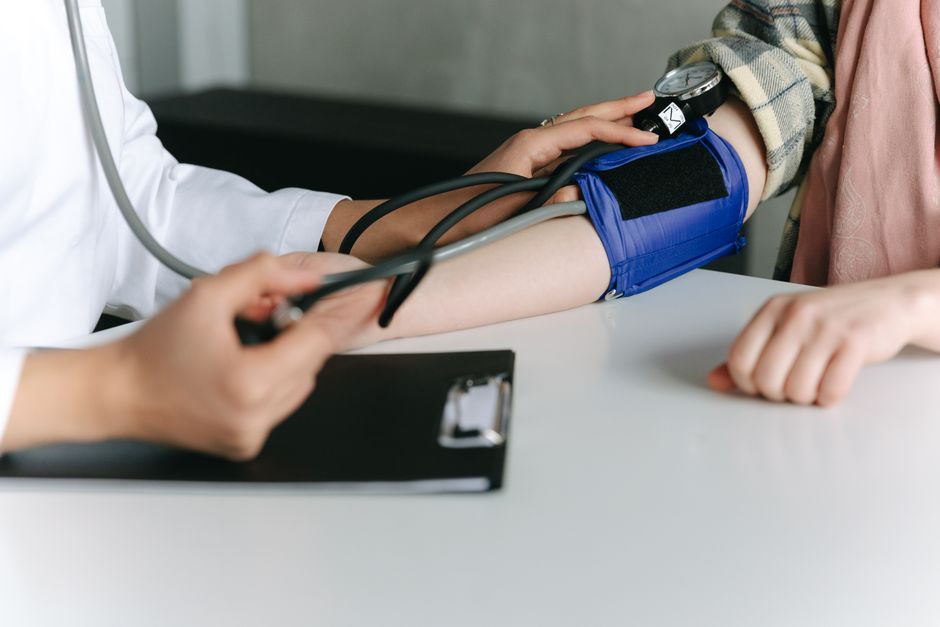
Checking your blood pressure at home is one of the most reliable ways to know if your numbers are truly in a healthy range. For most adults with normal blood pressure, checking it once a year at a routine doctor’s visit is enough. If you have been diagnosed with high blood pressure, or you have risk factors like diabetes or heart disease, your doctor will likely recommend checking it daily, usually in the morning and again in the evening. The exact schedule depends on your health history, so the most important step is to follow the specific plan your healthcare provider gives you.
Why Home Blood Pressure Monitoring Matters
Blood pressure readings taken in a medical office can be misleading. Many people feel anxious at the doctor’s office, which causes their blood pressure to rise temporarily. This is called white coat hypertension. The opposite can also happen. Some people have normal readings at the clinic but higher readings at home, a condition known as masked hypertension.
Home monitoring gives a clearer picture of your true average blood pressure over time. It also shows how your blood pressure responds to daily life, stress, and your current medications. For these reasons, clinical guidelines encourage home monitoring for anyone managing high blood pressure.
What Do the Numbers Mean?
Blood pressure is recorded as two numbers. The top number, systolic pressure, measures the force in your arteries when your heart beats. The bottom number, diastolic pressure, measures the force between beats when your heart rests.
Normal blood pressure is below 120/80 mmHg. Elevated blood pressure is a systolic reading between 120 and 129 and a diastolic below 80. Stage 1 high blood pressure is 130 to 139 systolic or 80 to 89 diastolic. Stage 2 high blood pressure is 140 or higher systolic or 90 or higher diastolic. A hypertensive crisis is a reading above 180/120, which requires immediate medical attention.
One single high reading does not mean you have high blood pressure. Blood pressure naturally fluctuates throughout the day. It dips during sleep and rises with exercise, stress, or caffeine. Diagnosis usually requires multiple elevated readings on separate occasions.
How Often To Check Blood Pressure If You Have High Blood Pressure
If you have been diagnosed with high blood pressure, daily monitoring is often recommended. The typical approach is to take two readings in the morning before taking medication and two readings in the evening before dinner. Each pair of readings should be taken about one minute apart. You then average those numbers.
This routine does not need to continue forever. Once your blood pressure is well controlled and stable, your doctor may reduce the frequency to a few times per week or once monthly. The goal is to track patterns, not to obsess over single readings.
Do not stop or change your blood pressure medication based on home readings alone. Always discuss any changes with your doctor.


How Often To Check Blood Pressure If Your Numbers Are Normal
For adults with normal blood pressure, routine screening at a yearly checkup is standard. If you have a family history of high blood pressure, are over 40, or have conditions like obesity or diabetes, more frequent checks are reasonable. Some experts suggest checking at home occasionally to establish a personal baseline, especially if you notice symptoms or have added a new medication.
There is no evidence that daily home monitoring is beneficial for people with consistently normal blood pressure. In fact, checking too often can cause unnecessary anxiety, which can raise your blood pressure temporarily.
How To Get an Accurate Reading at Home
Accuracy depends on technique. A poorly taken reading is worse than no reading because it can lead to wrong treatment decisions.
- Sit quietly for five minutes before measuring.
- Place your feet flat on the floor and do not cross your legs.
- Support your arm on a flat surface at heart level.
- Use the correct cuff size. The cuff should wrap around 80 percent of your upper arm.
- Do not drink caffeine, exercise, or smoke for 30 minutes before measuring.
- Empty your bladder before the reading. A full bladder can raise the number.
Use a validated upper-arm monitor. Wrist monitors are less reliable, though some are acceptable if you cannot use an upper-arm cuff. Bring your monitor to a doctor’s appointment to have its accuracy checked against the clinic equipment.
When To See a Doctor Immediately
Most home readings do not require urgent action. But certain numbers do. If your blood pressure is 180/120 or higher, wait five minutes and check again. If it remains that high, contact your doctor or seek emergency care, especially if you also have chest pain, shortness of breath, back pain, numbness, weakness, vision changes, or difficulty speaking.
A single reading of 180/120 without symptoms still warrants prompt medical attention. Do not wait for your next scheduled appointment.
What About Ambulatory Blood Pressure Monitoring?
Ambulatory monitoring involves wearing a portable device that takes readings every 20 to 30 minutes over 24 hours. It captures blood pressure during daily activities and sleep. This is the gold standard for diagnosing white coat and masked hypertension.
Your doctor may recommend this if your home and office readings conflict, or if your blood pressure is not responding to treatment. It is not something you do routinely. It is a diagnostic tool used for specific clinical situations.
Tracking Your Readings
Keep a log of your home readings. Write down the date, time, and the average of your paired measurements. Note any factors that might have affected the reading, such as stress, poor sleep, or a missed dose of medication.
Bring this log to your appointments. It gives your doctor the data needed to adjust your treatment plan. Many smartphone apps can store this information, but a simple paper notebook works just as well.
Blood Pressure Measurement Schedule Overview
| Your Situation | Recommended Frequency |
|---|---|
| Normal blood pressure, no risk factors | Once a year at a checkup |
| Elevated blood pressure | Follow your doctor’s plan; often weekly checks |
| High blood pressure, starting or changing medication | Daily, morning and evening |
| High blood pressure, well controlled | Several times per week or as directed |
| Suspected white coat or masked hypertension | 24-hour ambulatory monitoring |
Frequently Asked Questions
What time of day is best to check blood pressure?
Morning before taking medication and evening before dinner are the most informative times. Take two readings one minute apart at each session and average them.
Can I check my blood pressure too often?
Yes. Checking more than your doctor recommends can cause anxiety and lead to falsely elevated readings. For people with normal blood pressure, daily checking is not necessary.
Is it normal for blood pressure to vary between readings?
Yes. Blood pressure changes throughout the day in response to activity, stress, and even breathing. That is why doctors look at patterns over time rather than a single number.
How long should I wait between blood pressure readings?
Wait at least one minute between readings. This allows the arteries to return to their resting state and gives a more accurate second measurement.
