

If you take chondroitin for joint pain, you have likely wondered if it affects your blood pressure. The direct answer is no — current research does not show that chondroitin raises blood pressure in most people. Large studies and reviews have not found a link between chondroitin use and higher blood pressure readings. Some people worry about this because chondroitin comes from animal sources, but the evidence does not support that concern.
Does Chondroitin Raise Blood Pressure According to Research?
Research published in reputable medical journals has looked at this question. A 2017 review in the journal Drugs & Aging examined safety data from multiple clinical trials on chondroitin. The review found no significant increase in blood pressure among people taking chondroitin compared to those taking a placebo. The authors noted that chondroitin has a strong safety profile overall.
Another large study followed over 1,000 people taking chondroitin for up to two years. Researchers measured blood pressure at regular intervals. They found no meaningful difference between the chondroitin group and the control group. The study concluded that chondroitin does not cause hypertension.
The European Medicines Agency has also reviewed chondroitin safety. Their assessment states that chondroitin does not have known effects on blood pressure regulation. This matches what the FDA has reported in its adverse event database. Reports of high blood pressure linked to chondroitin are extremely rare and often involve people with pre-existing conditions.
What Causes Blood Pressure Changes in People Taking Chondroitin?
When someone starts taking chondroitin and then notices higher blood pressure, other factors are usually the cause. Joint pain itself can raise blood pressure. Chronic pain activates the stress response in your body. This can temporarily increase both systolic and diastolic readings.
Many people taking chondroitin also take NSAIDs like ibuprofen or naproxen. NSAIDs are well known to raise blood pressure. The CDC reports that NSAIDs can increase systolic blood pressure by 3 to 6 mmHg on average. If you take both chondroitin and NSAIDs, the blood pressure change likely comes from the NSAID, not the chondroitin.
Age is another factor. Most people who use chondroitin are over 50. Blood pressure naturally rises with age. The American Heart Association notes that blood vessel stiffness increases over time. This means that even without any supplement, blood pressure tends to go up as you get older.
Lifestyle changes can also play a role. If joint pain limits your activity, you may exercise less. Reduced physical activity is a direct cause of higher blood pressure. The chondroitin is just happening at the same time as these other changes.
What Does the Evidence Actually Show About Chondroitin Safety?
The safety data on chondroitin is extensive. More than 40 clinical trials have tested chondroitin for osteoarthritis. None have identified blood pressure elevation as a common side effect. The most common side effects are mild stomach upset, nausea, and diarrhea.
A 2020 meta-analysis in Osteoarthritis and Cartilage combined data from over 5,000 patients. Researchers looked at all reported side effects. Blood pressure changes did not appear at higher rates in the chondroitin groups. The analysis confirmed that chondroitin is well tolerated.
The Arthritis Foundation lists chondroitin as generally safe. They note that serious side effects are rare. They do not include high blood pressure on their list of concerns. This matches what rheumatologists tell their patients in clinical practice.
One clarification is important. Chondroitin is often combined with glucosamine in supplements. Some studies have looked at the combination. Even in these combination studies, blood pressure problems did not emerge. The combination appears safe for blood pressure as well.




Does Chondroitin Interact with Blood Pressure Medications?
This is a reasonable question. Chondroitin is a type of glycosaminoglycan. Some people worry it might interfere with how blood pressure drugs work. Current evidence suggests no significant interaction.
Research has not found that chondroitin changes how the body processes common blood pressure medications. This includes ACE inhibitors, beta-blockers, calcium channel blockers, and diuretics. The liver enzymes that break down these drugs do not appear affected by chondroitin.
One theoretical concern involves blood thinning. Chondroitin has mild blood-thinning properties. If you take blood thinners like warfarin, you should talk to your doctor. This is not about blood pressure directly but about overall safety.
The National Institutes of Health reports that chondroitin may increase the effect of blood thinners. If you take both, your doctor may want to monitor your INR levels more often. This interaction is well documented. It is not related to blood pressure but is worth knowing.
What Should You Do If You Notice Blood Pressure Changes While Taking Chondroitin?
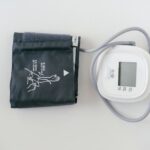
If you start chondroitin and see your blood pressure go up, do not assume the supplement is the cause. First, check your blood pressure measurement technique. Improper cuff size or positioning can give false high readings. The American Heart Association recommends resting for five minutes before measuring.
Second, review any other medications or supplements you take. NSAIDs are the most common hidden cause. Decongestants, caffeine, and some herbal supplements can also raise blood pressure. Make a list of everything you take and show it to your doctor.
Third, consider timing. Joint pain flares often lead people to try new supplements. Pain itself raises blood pressure. If your pain improves with chondroitin, your blood pressure may actually drop over time. Some studies suggest that better pain control leads to lower blood pressure.
Track your numbers for two to four weeks. Take your blood pressure at the same time each day. Write down the readings. If you see a consistent increase of more than 5 to 10 mmHg, talk to your doctor. They can help figure out the real cause.
Common Misconceptions About Chondroitin and Blood Pressure
One myth is that chondroitin contains sodium, which could raise blood pressure. The truth is that chondroitin supplements contain very little sodium. A typical dose has less than 10 mg of sodium. For comparison, a slice of bread has about 150 mg. The sodium content is not enough to affect blood pressure.
Another misconception is that because chondroitin comes from animal cartilage, it might contain hormones or other substances that affect blood pressure. This is not accurate. The manufacturing process purifies chondroitin. Any trace animal components are removed or present in negligible amounts.
Some people believe that all joint supplements raise blood pressure. This likely comes from confusion with glucosamine. A few older studies suggested glucosamine might affect insulin resistance. Even that link has been largely disproven. Neither glucosamine nor chondroitin has a clear connection to blood pressure.
A third myth is that higher doses of chondroitin are more likely to cause blood pressure problems. Clinical trials have tested doses up to 1,200 mg per day. This is higher than the typical 800 mg dose. Even at these higher doses, blood pressure changes were not observed.
| Factor | Effect on Blood Pressure | Evidence Strength |
|---|---|---|
| Chondroitin alone | No significant effect | Strong – multiple clinical trials |
| NSAIDs (ibuprofen, naproxen) | Increases 3-6 mmHg systolic | Strong – CDC and FDA data |
| Chronic joint pain | Increases due to stress response | Moderate – physiological studies |
| Reduced physical activity | Increases over time | Strong – AHA guidelines |
| Natural aging | Increases gradually | Strong – population data |
What to Avoid When Taking Chondroitin
Avoid assuming that any supplement you take is harmless for blood pressure. Always check labels for hidden ingredients. Some chondroitin products contain added sodium or sugar. These additives can affect blood pressure in sensitive people.
Do not combine chondroitin with high doses of NSAIDs without talking to your doctor first. The NSAID is far more likely to raise your blood pressure than the chondroitin. If you need pain relief, ask about alternatives like acetaminophen.
Avoid stopping your blood pressure medication because you think chondroitin is raising your numbers. If your blood pressure goes up, work with your doctor to find the real cause. Stopping medication without guidance is dangerous.
Be cautious with combination joint supplements. Some products mix chondroitin with other ingredients like devil’s claw or turmeric. These herbs can have their own effects on blood pressure. Stick with single-ingredient products if you want to know exactly what you are taking.
Frequently Asked Questions
Can chondroitin cause high blood pressure?
No, research has not found that chondroitin causes high blood pressure in most people. Clinical trials show no significant difference in blood pressure between people taking chondroitin and those taking a placebo.
Does chondroitin interact with blood pressure medication?
Current evidence does not show a significant interaction between chondroitin and common blood pressure medications. However, chondroitin may increase the effect of blood thinners like warfarin, so talk to your doctor if you take both.
Is it safe to take chondroitin if I have hypertension?
Yes, chondroitin is generally considered safe for people with hypertension. The Arthritis Foundation and major medical reviews list it as safe for those with high blood pressure.
Can I take chondroitin with my blood pressure pills?
Yes, you can take chondroitin with blood pressure pills based on current research. No known interactions exist, but always tell your doctor about all supplements you take.
