
Donating blood is one of the most straightforward things a healthy adult can do to help others, but there are strict rules about who can donate. The minimum weight requirement exists for your safety, not to exclude people. In the United States, you must weigh at least 110 pounds (50 kilograms) to donate whole blood. This standard applies to most donors, though some donation types, like automated red cell donations, have higher requirements.
Why Is There a Minimum Weight Requirement?
The weight limit protects you, the donor. When you give blood, your body loses a set volume of fluid. For most whole blood donations, that volume is about one pint, or roughly 500 milliliters. Your total blood volume is directly related to your body weight. A smaller person has less blood overall, so losing a pint represents a larger percentage of their total volume.
If your blood volume is too low relative to the amount being drawn, you are at a much higher risk of fainting, feeling dizzy, or experiencing other vasovagal reactions. These reactions are unpleasant and can be dangerous if you faint after leaving the donation center. The 110-pound threshold is a conservative safety line that researchers and blood banks have established to keep the risk of these reactions low.
Your blood volume is roughly 7 to 8 percent of your body weight. A person weighing 110 pounds has approximately 8 to 9 pints of blood. Removing one pint from that total is a significant but manageable loss. For someone weighing less than 110 pounds, that one pint becomes too large a fraction of their total blood volume, increasing the risk of complications.
Are the Requirements Different for Other Donation Types?
Yes. The 110-pound minimum applies to standard whole blood donation. Other donation procedures have different requirements because they collect different components of your blood.
Platelet donation, also called apheresis, often requires a higher minimum weight. Many blood centers set the minimum for platelet donation at 130 pounds. This is because the apheresis process runs your blood through a machine that separates out the platelets and returns the rest to your body. The process takes longer and involves a larger volume of blood being processed at one time.
Double red cell donation, where two units of red blood cells are collected at once, also typically requires a higher minimum weight. Most centers require donors to weigh at least 130 pounds for this procedure. The height and weight requirements for red cell donation are often calculated together to ensure your total blood volume can safely handle the loss of two units.
Does Height Matter Along With Weight?
For most whole blood donations, height alone does not disqualify you if you meet the weight requirement. However, some blood centers use a height and weight chart for specific donation types. This is particularly common for automated donations like double red cells or platelets.
The height and weight chart helps estimate your total blood volume more accurately than weight alone. A tall person who weighs 130 pounds has a different body composition than a short person who weighs 130 pounds. The chart is designed to estimate whether your blood volume is high enough to safely undergo the specific procedure.
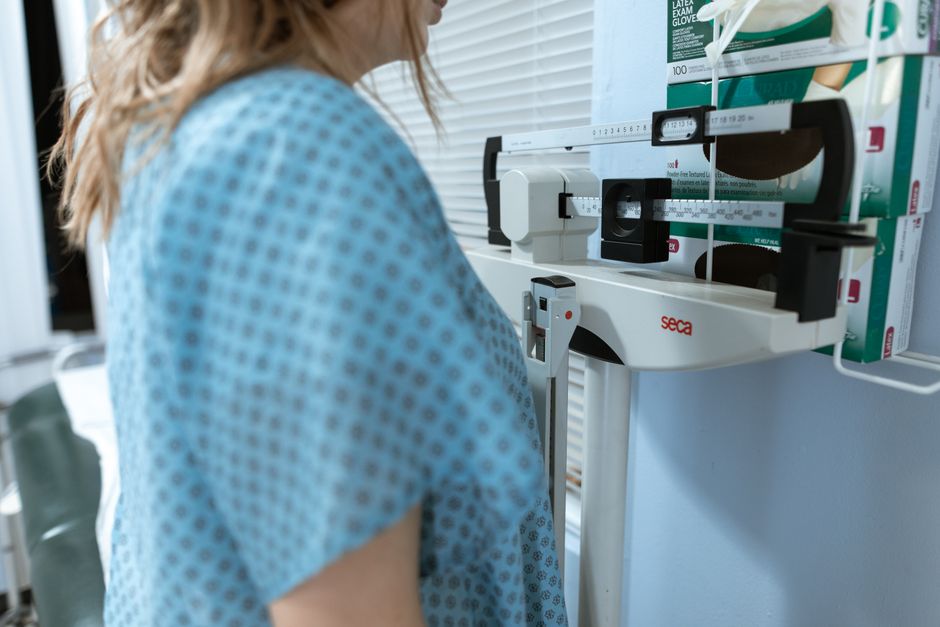
If you are close to the 110-pound minimum, the blood center may weigh you on site to confirm your eligibility. Self-reported weight is often not accepted because accuracy matters for your safety. The staff will always verify your weight before allowing you to donate.



What If You Are Under 110 Pounds?
If you weigh less than 110 pounds, you cannot donate whole blood. This is a firm standard across blood collection centers in the United States. There is no flexibility on this requirement because it is tied directly to your safety.
Being under the weight limit does not mean you cannot help. Blood centers always need volunteers for non-donation roles. You can help with registration, refreshments, or donor recovery areas. You can also encourage eligible friends and family members to donate. If your weight changes over time, you can be reassessed at a future donation drive.
Some people who are underweight due to a medical condition may wonder if exceptions are possible. They are not. The 110-pound minimum is not a suggestion. It is a clinical safety threshold that blood banks follow without exception.
Age and Health Requirements Beyond Weight
Weight is only one part of the eligibility screening. You must also be at least 16 or 17 years old to donate, depending on your state. Some states allow 16-year-olds to donate with parental consent. Others require donors to be at least 17. There is no upper age limit for blood donation in most places, though some centers have policies for donors over 76.
You must be in good general health on the day of donation. This means you should feel well, be free of cold or flu symptoms, and not be currently fighting an infection. You cannot donate if you have taken certain medications or traveled to specific countries within a set timeframe. The staff will review your health history with you before every donation.
Your hemoglobin level is also checked before donation. This is a quick finger-prick test that measures the iron-containing protein in your red blood cells. The minimum hemoglobin level for women is typically 12.5 g/dL, and for men it is 13.0 g/dL. If your hemoglobin is too low, you will be deferred and asked to return at a later date.
Can You Gain Weight to Become Eligible?
If you are under 110 pounds and want to donate, gaining weight is the only way to become eligible. This should be done in a healthy way, not by crash dieting or rapid weight gain. There is no specific timeline or diet that blood banks recommend. The only requirement is that you reach the 110-pound threshold on the day of donation.
Rapid weight gain is not necessary and is not advised. Gaining weight through a balanced diet and regular meals is the healthiest approach. If you are underweight due to a medical condition, talk to your doctor before attempting to gain weight. Your doctor can help you determine whether donating blood is a safe goal for you.
It is also important to note that being at 110 pounds exactly does not guarantee you will be approved. The staff will check your overall health, hemoglobin, and medical history. Weight is one gate, but it is not the only gate.
International Weight Requirements
The 110-pound minimum is the standard in the United States. Other countries have different requirements based on their own safety data. In the United Kingdom, the minimum weight for whole blood donation is 50 kilograms, which is about 110 pounds. In Canada, the minimum is also 50 kilograms.
Some countries have lower minimums. In Australia, the minimum weight for whole blood donation is 45 kilograms, which is about 99 pounds. The difference reflects varying approaches to risk assessment and donor safety standards. These are not arbitrary differences. Each country sets its requirements based on its own clinical guidelines and population data.
If you are traveling and want to donate abroad, you must meet that country’s specific requirements. You will also need to check whether your recent travel history disqualifies you from donating in your home country. Travel to certain regions can result in a temporary deferral.
What Happens at the Donation Center?
When you arrive to donate, you will go through a screening process. You will be asked to provide identification, complete a health questionnaire, and have your vital signs checked. Your weight is measured as part of this screening.
After your weight is confirmed, your hemoglobin is tested. Your blood pressure, pulse, and temperature are also checked. If all readings are within acceptable ranges, you will be cleared to donate. The actual blood draw takes about 8 to 10 minutes for a whole blood donation.
After donation, you will be asked to rest for about 15 minutes and have a snack. This helps prevent dizziness and allows the staff to monitor you for any immediate reactions. Most donors feel fine after resting, but it is important to follow the post-donation instructions for the rest of the day. These include drinking extra fluids, avoiding heavy lifting, and not consuming alcohol for at least 24 hours.
Frequently Asked Questions
Can I donate blood if I weigh exactly 110 pounds?
Yes, 110 pounds is the minimum weight for whole blood donation in the United States. You must also meet all other eligibility requirements, including hemoglobin levels and general health.
Why can’t people under 110 pounds donate blood?
People under 110 pounds have a smaller total blood volume, so losing a pint of blood represents a higher percentage of their total volume. This significantly increases the risk of fainting and other complications.
Does the weight requirement differ for platelet donation?
Yes, most blood centers require platelet donors to weigh at least 130 pounds. Double red cell donation also typically requires a minimum of 130 pounds.
Will I be weighed at the blood donation center?
Yes, your weight will be verified on site before you donate. Blood centers do not rely on self-reported weight because the accuracy of this measurement is critical for your safety.
