
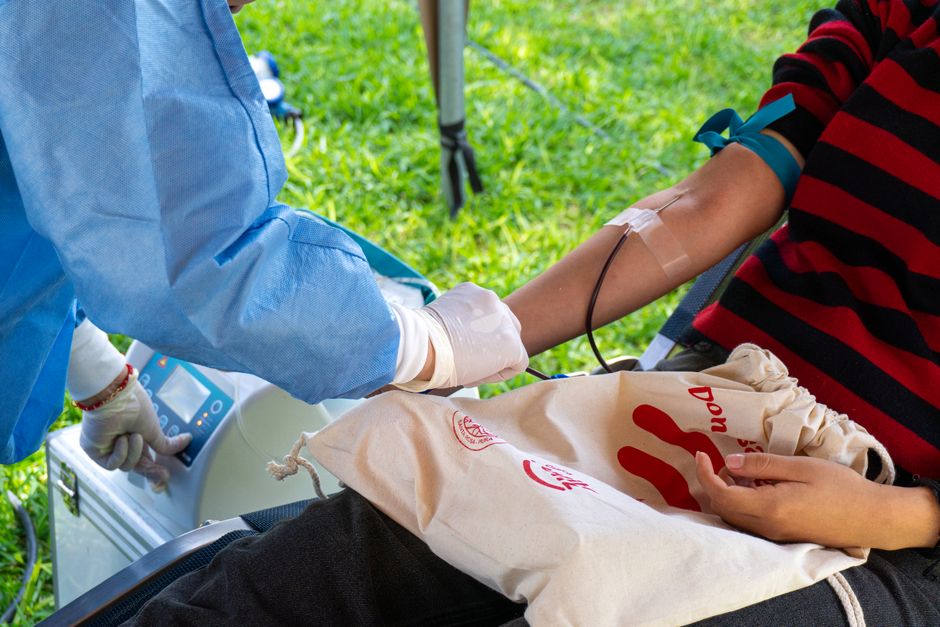
When you donate whole blood, the standard amount taken is 500 milliliters, or about one pint. That is roughly 10% of the total blood volume in an average adult. The process is safe, well-studied, and your body replaces the fluid within 24 to 48 hours. Here is what the numbers actually mean for you.
What Is the Standard Amount of Blood Taken During a Donation?
The standard whole blood donation in the United States is 500 milliliters, which equals roughly one pint. This amount has been set by blood collection agencies like the American Red Cross and the FDA. It is the same for nearly all donors who meet the weight and health requirements.
The 500 mL number is not random. It is based on decades of research showing that this volume is safe for most healthy adults. Your body holds about 5 liters of blood on average. Taking 500 mL removes about 10% of that total. That is a well-established safety threshold.
Some donation types take less blood. Platelet donations and plasma donations remove smaller volumes but process more over time. But for whole blood, 500 mL is the number you can expect.
How Much Blood Is Taken When You Donate Compared to Your Total Volume?
A typical adult has about 5 liters of blood circulating in their body. A person weighing 150 pounds has roughly 4.5 to 5 liters. A 500 mL donation removes about 10% of that total.
That 10% figure is important. Research shows that losing up to 15% of your blood volume is generally safe for healthy people without causing significant drops in blood pressure or oxygen delivery. The donation stays well under that limit.
Your body compensates quickly. Within minutes, your blood vessels constrict and your heart rate increases slightly to maintain blood flow to your brain and organs. You will not notice this happening because it is automatic.
The American Red Cross states that you must weigh at least 110 pounds to donate. This minimum weight ensures that the 500 mL donation stays at or below 10% of your blood volume. For someone under 110 pounds, the percentage would be higher and the risk of feeling faint increases.
Does the Amount of Blood Taken Vary by Donation Type?
Yes, the volume differs depending on what you are donating. Whole blood is always 500 mL. But other donation types involve different amounts because the machines separate your blood and return some components to you.
Here is a breakdown of common donation types:
- Whole blood: 500 mL of blood drawn. All components are kept.
- Plasma donation: About 625 to 800 mL of plasma is collected. Your red blood cells and platelets are returned to you along with saline. The actual blood volume removed from your body is less because the machine returns most of the cellular components.
- Platelet donation: Around 200 to 300 mL of platelets are collected. The process takes longer, about 2 to 3 hours, because blood is cycled through a machine multiple times. Your red cells and most of the plasma are returned.
- Double red cell donation: About 350 to 400 mL of packed red blood cells are taken. This is roughly double the red cells from a standard whole blood donation. Your plasma and platelets are returned with saline.
The key point is that whole blood donation removes the most total volume from your body at once. The other procedures remove less fluid overall because most of your blood components are returned.


What Does Research Say About the Safety of This Blood Volume?
Studies have consistently shown that donating 500 mL of whole blood is safe for healthy adults. A large review published in Transfusion looked at over 1 million donations and found that serious adverse events like fainting with injury occurred in only about 1 in 2,000 donations. Minor reactions like lightheadedness happened in about 1 in 50 donations.
The risk of iron deficiency is a more common concern than fainting. Each whole blood donation removes about 200 to 250 milligrams of iron from your body. That is roughly one-quarter of the total iron stores in a healthy adult. For premenopausal women, who already have lower iron stores, repeated donations can lead to low ferritin levels.
The FDA requires at least 8 weeks between whole blood donations. This interval exists to give your body time to fully replace the red blood cells and iron. Research in JAMA Internal Medicine found that donors who gave blood more than twice a year for women or three times a year for men had higher rates of iron deficiency. Some blood centers now test ferritin levels or recommend iron supplements for frequent donors.
Your body replaces the plasma volume within 24 to 48 hours. Red blood cells take longer, about 4 to 6 weeks, to fully regenerate. That is why the 8-week waiting period exists.
What Are the Side Effects of Having 500 mL of Blood Removed?
Most people feel fine during and after a donation. But some experience side effects because of the sudden drop in blood volume. The most common is lightheadedness or dizziness.
This happens because your blood pressure drops slightly when 500 mL is removed. Your body compensates by constricting blood vessels and increasing heart rate. For most people, this happens without them noticing. For others, especially those who are dehydrated or anxious, the drop in blood pressure can cause symptoms.
Here is what the data shows about side effects:
| Side Effect | How Common It Is | What Happens |
|---|---|---|
| Lightheadedness | About 1 in 50 donations | Mild dizziness that passes within minutes |
| Fainting | About 1 in 200 donations | Brief loss of consciousness, usually resolves quickly |
| Fainting with injury | About 1 in 2,000 donations | Rare, but can cause falls or bumps |
| Bruising at needle site | About 1 in 20 donations | Small bruise that fades in a few days |
| Iron deficiency | More common in frequent donors | Low ferritin levels, can cause fatigue |
The risk of fainting is higher in first-time donors, younger donors, and people who have not eaten or drunk enough before donating. Donation centers screen for these risks and will ask you to rest and have a snack afterward.
Serious complications like nerve injury or infection are extremely rare. The needle used is sterile and single-use. Blood centers follow strict protocols to prevent contamination.
How Does Your Body Recover After Donating One Pint of Blood?
Your body starts recovering immediately. Within minutes of the donation, your kidneys release hormones that signal your body to retain fluid. Your liver releases stored plasma proteins. Your bone marrow ramps up red blood cell production.
Here is the timeline of recovery:
- 24 hours: Your plasma volume is fully restored. This is why drinking extra fluids after donation helps. Your blood pressure returns to normal.
- 4 to 6 weeks: Your red blood cell count returns to pre-donation levels. This is the main reason for the 8-week waiting period between donations.
- 6 to 12 weeks: Your iron stores, measured by ferritin levels, return to normal if you have adequate dietary iron. For people with low iron stores, it can take longer.
Your body does not need special supplements to recover for a single donation. Drinking water and eating a balanced meal with iron-rich foods like beans, spinach, or lean meat is enough. Some blood centers recommend a multivitamin with iron for frequent donors.
The recovery process is well-documented. A study in the American Journal of Clinical Nutrition found that iron stores in men returned to baseline within 8 weeks after a single donation. For women, recovery took longer because their baseline iron stores were lower to begin with.
Common Misconceptions About the Amount of Blood Taken
Some people worry that donating blood will weaken them or drain their energy for weeks. That is not true for most people. The 500 mL volume is small enough that your body compensates quickly. You might feel tired the day of donation, but by the next day, most people feel normal.
Another myth is that donating blood removes too much iron and causes anemia. For a single donation, that is not a concern. The amount of iron removed is about 200 to 250 mg, and your body stores about 1,000 mg in men and 300 to 500 mg in premenopausal women. A single donation will not cause anemia in someone with adequate iron stores. But frequent donations, especially in women, can lead to low ferritin over time.
Some people believe that the blood is measured differently depending on where you donate. That is false. The 500 mL standard is consistent across all accredited blood collection agencies in the United States. Military blood banks and some international programs may use slightly different volumes, but for civilian donations in the US, it is always 500 mL.
Frequently Asked Questions
Is 500 mL of blood a lot to lose?
For a healthy adult, 500 mL is about 10% of total blood volume and is considered safe. Your body replaces the fluid within 24 to 48 hours.
How long does it take to recover from donating one pint of blood?
Your plasma volume recovers in about 24 hours, and your red blood cells fully regenerate in 4 to 6 weeks. Most people feel normal the next day.
Can I donate blood if I weigh less than 110 pounds?
No, the minimum weight requirement is 110 pounds to ensure the 500 mL donation stays at or below 10% of your blood volume. Weighing less increases the risk of fainting.
Does donating blood lower your iron levels permanently?
No, a single donation does not cause permanent iron loss. Your body restores iron stores over 6 to 12 weeks with adequate dietary iron. Frequent donations can lower iron levels over time.
