
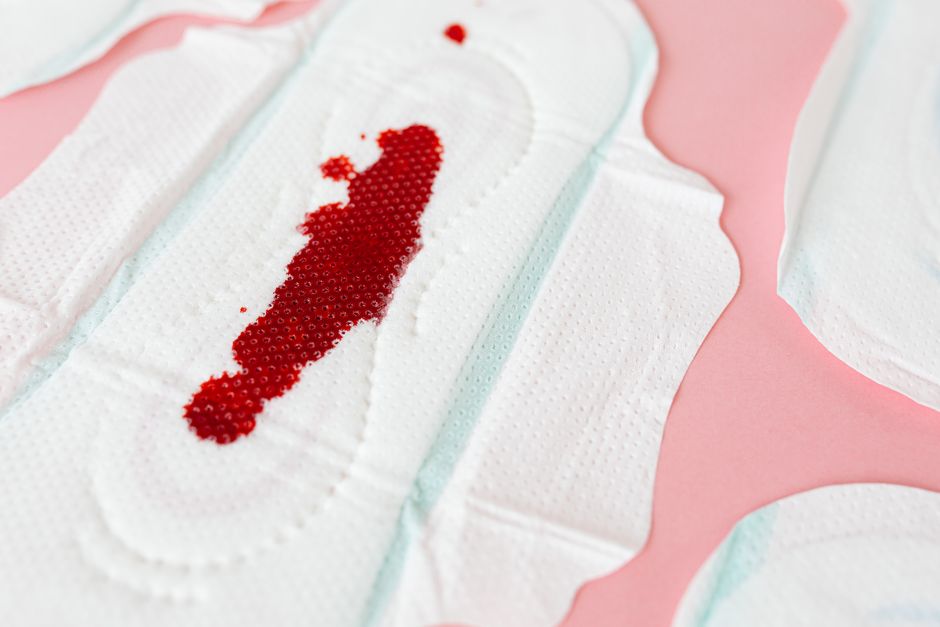
The average adult has between 4.5 and 5.5 liters of blood in their body. That is roughly the same amount of liquid as two large soda bottles. Your exact blood volume depends mostly on your body size and weight, not your height or age.
How Much Blood Does A Human Body Have Based on Weight?
Blood volume is calculated as a percentage of body weight. For most adults, blood makes up about 7% of their total body weight. A person who weighs 150 pounds has roughly 4.7 to 5.0 liters of blood. Someone who weighs 200 pounds will have closer to 6.0 to 6.5 liters.
The formula doctors use is simple. Multiply your weight in kilograms by 0.07. That gives you your estimated blood volume in liters. This method is standard in hospitals for calculating medication doses and fluid replacement.
Children have a slightly higher blood volume per pound than adults. An infant’s blood volume is about 8.5% of their body weight. That percentage drops to adult levels by the teenage years. This is why small blood losses are more serious in children than in adults.
What Is the Exact Amount of Blood by Age and Gender?
Research published in the Journal of Applied Physiology found that blood volume varies between men and women even at the same weight. Men typically have 5 to 6 liters of blood. Women typically have 4 to 5 liters. The difference is due to body composition. Men have more lean muscle mass, which requires more blood.
Age also plays a role. Blood volume stays relatively stable from your 20s through your 50s. After age 60, total blood volume can decrease by 10% to 15% in some people. This is partly due to reduced kidney function and changes in how the body regulates fluids.
Pregnancy dramatically increases blood volume. A pregnant woman’s blood volume can increase by 40% to 50% by the third trimester. That means a woman who normally has 4.5 liters of blood may have 6.5 to 7.0 liters during late pregnancy. This extra blood supports the growing baby and prepares the body for potential blood loss during delivery.
| Factor | Average Blood Volume | Notes |
|---|---|---|
| Adult male (150 lbs) | 4.7 – 5.0 L | Higher lean muscle |
| Adult female (130 lbs) | 3.8 – 4.2 L | Lower lean muscle |
| Pregnant woman | 5.5 – 7.0 L | Increases 40-50% |
| Newborn infant | 0.2 – 0.3 L | 8.5% of body weight |
| Adult over 60 | 10-15% less | Natural age-related decline |
How Does Blood Loss Affect These Numbers?
The human body can lose a surprising amount of blood before things get dangerous. Blood loss is classified into four categories by the American College of Surgeons. Class 1 is a loss of up to 15% of total blood volume. That is about 750 milliliters for a 150-pound person. Most people feel fine at this level. They may feel slightly dizzy or tired.
Class 2 is a loss of 15% to 30% of blood volume. That is about 750 to 1500 milliliters. At this point, heart rate increases and blood pressure starts to drop. The skin may feel cool and pale. Class 3 is a loss of 30% to 40%. This is about 1500 to 2000 milliliters. This is a medical emergency. Blood pressure drops significantly and the person may be confused or unconscious.
Class 4 is a loss of over 40% of total blood volume. This is immediately life-threatening. The heart cannot pump enough blood to vital organs. Immediate transfusion and surgery are required to survive. The body does not have enough blood to maintain organ function at this level.





What Percentage of Blood Is Plasma vs. Cells?
Blood is not a single liquid. It is a mixture of cells and fluid. Plasma makes up about 55% of total blood volume. Plasma is mostly water with proteins, electrolytes, and nutrients dissolved in it. It is the liquid that carries the blood cells through your veins.
The remaining 45% is cellular material. Red blood cells make up the vast majority of this. They carry oxygen from your lungs to your tissues. White blood cells make up about 1% of blood volume. They fight infection. Platelets make up less than 1%. They help blood clot when you get a cut.
The exact ratio of plasma to cells is called the hematocrit. A normal hematocrit for men is 40% to 50%. For women it is 36% to 44%. If the hematocrit drops too low, it means the blood is too thin and cannot carry enough oxygen. If it is too high, the blood is too thick and may clot more easily.
How Much Blood Can You Donate Safely?
Blood donation organizations follow strict guidelines to keep donors safe. The American Red Cross allows a donation of one pint of blood, which is 473 milliliters. This is about 10% of the average adult’s total blood volume. The body can replace the lost fluid within 24 hours. Full red blood cell recovery takes about 4 to 6 weeks.
You must wait 56 days between whole blood donations. This gives your body enough time to fully replace the red blood cells. Platelet donations can be made more often, every 7 days, because the body replaces platelets much faster. Plasma donations can be made every 28 days.
Some people report feeling lightheaded after donating blood. This is usually due to a temporary drop in blood pressure, not the actual blood loss. Drinking fluids and eating a snack before donating helps prevent this. The body is remarkably good at compensating for the loss of 10% of its blood volume.
Common Misconceptions About Blood Volume
One common myth is that blood volume is based on height. Height has very little to do with it. A tall thin person may have less blood than a shorter muscular person. Body weight and composition are the true drivers of blood volume.
Another myth is that drinking more water increases your blood volume permanently. It does not. Your kidneys tightly regulate blood volume. Extra water is excreted as urine within hours. Only in medical settings can blood volume be increased with IV fluids or blood transfusions.
Some people believe that blood is thicker than water. This is partly true. Whole blood is about 4 to 5 times thicker than water. But plasma alone is only about 1.5 times thicker than water. The red blood cells are what make whole blood thicker. This is why dehydration makes blood thicker and harder for the heart to pump.
As of 2026 there is no clinical evidence that any supplement or food can increase your total blood volume beyond normal levels. Iron supplements can increase red blood cell count if you are anemic. But they do not increase the total volume of blood in your body. That is a different process entirely.
Frequently Asked Questions
How much blood does a human body have in liters?
The average adult has 4.5 to 5.5 liters of blood. This varies based on body weight, gender, and age.
How much blood can you lose before dying?
Losing 40% or more of total blood volume is life-threatening. For a 150-pound person that is about 2 liters of blood.
Does blood volume change with weight loss?
Yes. Blood volume decreases as body weight decreases. Losing 10 pounds of body weight reduces blood volume by roughly 0.3 liters.
How much blood is in a baby’s body?
A newborn baby has about 0.2 to 0.3 liters of blood. This is 8.5% of their body weight, which is a higher percentage than adults.
