
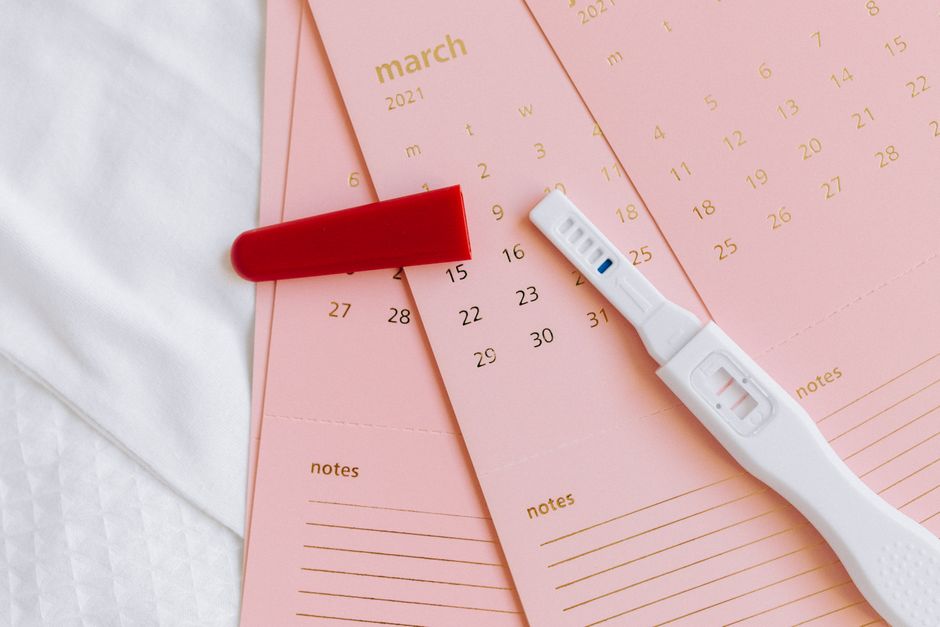
If you had sex and think you might be pregnant, the waiting is the hard part. Here is the short answer: most home pregnancy tests can give a reliable result about 12 to 14 days after conception, and a blood test can sometimes detect pregnancy as early as 7 to 10 days after conception. Testing too soon is the most common reason for a false negative.
The reason comes down to one hormone: human chorionic gonadotropin, or hCG. Your body does not make it until a fertilized egg implants in the uterus, and that takes time. Understanding that timeline explains almost everything about when a test will work.
When Does Conception Actually Happen?
Conception is not the same as having sex. It happens when a sperm fertilizes an egg, and that event usually occurs within about 24 hours of ovulation.
Sperm can survive in the reproductive tract for up to five days. That means a person can have sex several days before ovulation and still conceive later, once the egg is released. This gap between sex and conception is why counting days from intercourse is unreliable. The clock that matters starts at ovulation and fertilization, not at the date of sex.
Ovulation itself is hard to pin down for many people. It does not always happen on day 14 of a cycle. Cycle length varies, and ovulation can shift from month to month. If you are not tracking ovulation with a reliable method, you may not know the exact day of conception. That uncertainty is normal and it is the main reason testing advice is usually given as a range rather than a single date.
How Many Days To Test For Pregnancy After Conception?
Most home urine tests are designed to be used from the first day of a missed period. In a typical cycle, that falls roughly 12 to 14 days after conception. By this point, hCG levels are usually high enough for an over-the-counter test to detect.
Some tests are marketed as usable up to several days before a missed period. These can work if hCG has risen quickly, but the earlier you test, the higher the chance of a false negative. A negative result taken too early does not mean you are not pregnant. It often just means there was not yet enough hCG in your urine to register.
Blood tests are more sensitive than urine tests. A quantitative blood test measures the exact amount of hCG, and a qualitative blood test simply checks whether it is present. Because blood hCG can be detected earlier than urine hCG, a blood test may show a positive result around 7 to 10 days after conception. These are ordered by a clinician, not bought at a store.
Here is a simple way to think about the timing:
- Blood test: can detect pregnancy around 7 to 10 days after conception
- Urine test, early: possible a few days before a missed period, but less reliable
- Urine test, standard: most reliable from the first day of a missed period, roughly 12 to 14 days after conception
Why Does hCG Timing Matter So Much?
hCG is the hormone that pregnancy tests are built to find. It is produced by the cells that will become the placenta, and it only appears after a fertilized egg implants in the lining of the uterus.
Implantation does not happen the moment of fertilization. After conception, the fertilized egg travels down the fallopian tube and into the uterus, a journey that takes several days. Implantation typically occurs about 6 to 12 days after ovulation. Only once implantation happens does the body begin releasing hCG.
After implantation, hCG levels rise quickly in early pregnancy, roughly doubling every couple of days in the earliest stages. This rapid rise is what allows tests to turn positive within a short window. But the starting point varies from person to person, and so does the speed of the rise. That variability is why two people who conceived on the same day might get positive results on different days.
A detail many people miss: the sensitivity of the test matters as much as the timing. Home tests differ in the lowest level of hCG they can detect. A more sensitive test used at the right time will catch a pregnancy earlier than a less sensitive one. Checking the label on the test you plan to use tells you what it is designed to do.


What Causes a False Negative or False Positive?
A false negative is far more common than a false positive, and testing too early is the leading cause.
Other reasons a test might read negative when you are pregnant include drinking a lot of water before testing, which dilutes the urine, and using a test that has passed its expiration date. Testing first thing in the morning can help, because urine is usually more concentrated after a night without fluids.
False positives are rare but possible. They can happen if a test is read after the recommended time window, if certain medications that contain hCG are being used, or in some cases involving specific medical conditions. If you get a positive result and are unsure, a clinician can confirm it with a blood test.
If you test negative but still suspect you are pregnant, the practical step is to wait a few days and test again. hCG rises over time, so a test that was negative early can turn positive later.
How Accurate Are Home Pregnancy Tests?
Home pregnancy tests are accurate when used correctly and at the right time. Research indicates that when a test is used from the first day of a missed period, it detects pregnancy in the large majority of cases.
Accuracy drops when tests are used earlier than the label recommends. The further you are from your missed period, the less reliable an early result becomes. This is not a flaw in the tests so much as a limit of the biology. There simply may not be enough hCG to measure yet.
To get the most reliable result:
- Follow the instructions on the specific test you use
- Test from the first day of a missed period when possible
- Use first-morning urine for the best concentration
- Wait the full recommended time before reading the result, and do not read it after the window closes
- Retest in a few days if you get a negative result but your period still has not started
When Should You See a Healthcare Provider?
A positive home test is usually the point to contact a clinician to plan next steps. A blood test can confirm the result and, in some cases, track whether hCG is rising as expected.
You should also reach out if you have a positive test along with symptoms such as significant pain, heavy bleeding, or dizziness. These can have several causes, and a clinician is the right person to sort out what is going on.
If you have been trying to conceive and your cycles are irregular, a provider can help you understand your ovulation patterns, which in turn makes the timing of future tests clearer. Irregular cycles make the “days after conception” math harder, because the day of conception is harder to identify.
No clinical guidelines set a single perfect day that works for everyone. The 12-to-14-day window after conception is a practical guide, not a guarantee, and individual results vary.
Frequently Asked Questions
How many days after conception can I take a pregnancy test?
Most home urine tests are reliable about 12 to 14 days after conception, which usually lines up with the first day of a missed period. A blood test ordered by a clinician can sometimes detect pregnancy as early as 7 to 10 days after conception.
Can I test positive 5 days after conception?
It is very unlikely, because hCG does not appear until the fertilized egg implants, which typically happens about 6 to 12 days after ovulation. Testing that early usually produces a false negative rather than a true positive.
Why did I get a negative test but later found out I was pregnant?
The most common reason is testing before enough hCG had built up in your urine. Waiting a few days and testing again, ideally with first-morning urine, usually gives a clearer result.
Is a blood test more accurate than a home urine test?
Yes, blood tests can detect hCG earlier and measure the exact level, while urine tests give a simple positive or negative. Blood tests are ordered by a healthcare provider rather than bought over the counter.
