
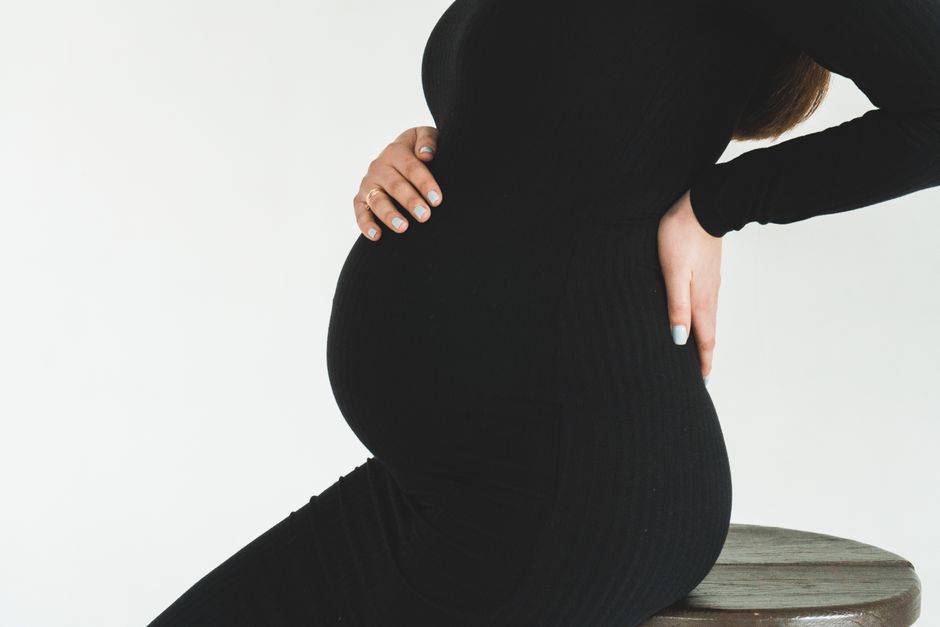
The third trimester of pregnancy starts at week 28 and lasts until birth, which is typically around week 40. This means the third trimester covers about 12 to 13 weeks. It is the final stretch of pregnancy, and it brings the most physical changes for both you and the baby. Knowing the exact weeks helps you track your baby’s development and prepare for labor.
How Many Weeks Is The Third Trimester Of Pregnancy Exactly?
Research shows the third trimester is defined as weeks 28 through 40. Most pregnancies last about 40 weeks from the first day of your last period. Some sources split it as weeks 28 to 40, while others use weeks 28 to 41. The standard medical definition used by the American College of Obstetricians and Gynecologists is week 28 to birth. If you deliver at 37 weeks, that is still considered term, and the third trimester ends early. If you go to 42 weeks, which is rare, the third trimester is longer. The key point is that the third trimester is not a fixed number of weeks for every person. It ends when labor begins.
What Happens Week by Week in the Third Trimester?
Each week in the third trimester brings specific milestones. At week 28, the baby can open and close their eyes. By week 32, the baby is likely in a head-down position. At week 36, the baby’s lungs are mostly mature. By week 40, the baby is fully developed and ready for birth. These are general timelines, and every pregnancy is different. Some babies shift positions later, and lung development varies. Your healthcare provider will track progress with ultrasounds and checkups. If you have questions about your specific timeline, ask your doctor.
What Are the Common Physical Changes in the Third Trimester?
The third trimester brings noticeable physical changes. Your belly grows significantly, and you may feel more pressure on your bladder and lower back. Many people experience shortness of breath as the baby pushes against the diaphragm. Swelling in the feet and ankles is common due to increased fluid retention. Research shows that about 70% of pregnant people report swelling in the third trimester. You may also feel Braxton Hicks contractions, which are practice contractions that are not real labor. These changes are normal, but if swelling is sudden or severe, contact your doctor.




What Does Research Show About Third Trimester Risks?
Current research suggests the third trimester has specific risks that require monitoring. One major risk is preeclampsia, which is high blood pressure that can develop after week 20. Studies have found that preeclampsia affects about 5 to 8 percent of pregnancies. Another risk is gestational diabetes, which can worsen in the third trimester. Your doctor will screen for both conditions. Preterm labor is another concern, defined as labor before week 37. Research shows that preterm labor occurs in about 10 percent of pregnancies in the United States. If you experience regular contractions, lower back pain, or fluid leakage before week 37, call your provider immediately.
How Can You Manage Third Trimester Discomfort Safely?
Managing discomfort in the third trimester focuses on safe, evidence-based strategies. Here are some approaches that research supports:
- Stay active with walking or prenatal yoga, which can reduce back pain and improve sleep
- Use a pregnancy pillow to support your belly and hips while sleeping
- Drink plenty of water to reduce swelling and prevent constipation
- Eat small, frequent meals to manage heartburn and nausea
- Practice pelvic floor exercises, which can help with bladder control
Some people report relief from warm baths or gentle massage. Strong evidence is limited for these methods, but they are generally safe. Avoid lying flat on your back after week 20, as this can reduce blood flow to the baby. Always check with your doctor before starting any new exercise or supplement.
What Should You Avoid in the Third Trimester?
There are clear things to avoid based on research. Do not smoke, drink alcohol, or use recreational drugs, as these can harm the baby. Avoid raw or undercooked meat, fish high in mercury, and unpasteurized dairy. These foods carry infection risks that are higher during pregnancy. Also avoid heavy lifting and activities that risk falling, like contact sports. Some people worry about travel in the third trimester. Research shows that flying is generally safe up to week 36 for uncomplicated pregnancies, but check with your airline and doctor. Avoid hot tubs and saunas, as high heat can raise your core body temperature and potentially affect the baby.
How Does the Third Trimester Compare to Other Trimesters?
| Trimester | Weeks | Key Changes |
|---|---|---|
| First | Weeks 1 to 12 | Morning sickness, fatigue, rapid cell division |
| Second | Weeks 13 to 27 | Baby’s movements felt, energy returns, belly grows |
| Third | Weeks 28 to 40 | Baby gains weight, Braxton Hicks, preparation for labor |
This table shows how the third trimester is distinct. The first trimester focuses on early development and common discomforts like nausea. The second trimester is often the most comfortable, with energy returning and fewer symptoms. The third trimester is the most physically demanding, with the baby growing rapidly and your body preparing for birth. Each trimester has its own timeline and challenges.
What Are Common Misconceptions About the Third Trimester?
One common myth is that the third trimester always starts at week 28 and ends at week 40. While this is the standard timeline, it does not apply to everyone. Some people deliver early or late, and that changes the length. Another misconception is that all third trimester contractions mean labor. Braxton Hicks contractions are common and do not indicate labor unless they become regular and painful. Some people believe that you cannot exercise in the third trimester. Research shows that moderate exercise is safe and beneficial for most pregnancies. Always listen to your body and consult your doctor.
Frequently Asked Questions
How many weeks is the third trimester of pregnancy?
The third trimester starts at week 28 and lasts until birth, which is typically around week 40. This means it covers about 12 to 13 weeks.
Does the third trimester always end at 40 weeks?
No, the third trimester ends when labor begins, which can be earlier or later than 40 weeks. Most pregnancies last between 37 and 42 weeks.
What are the signs that the third trimester is starting?
Common signs include increased fetal movement, more frequent urination, and the start of Braxton Hicks contractions. Your belly will also grow noticeably larger.
Can you travel during the third trimester?
Travel is generally safe up to week 36 for uncomplicated pregnancies. Always check with your doctor and airline before making plans.
