
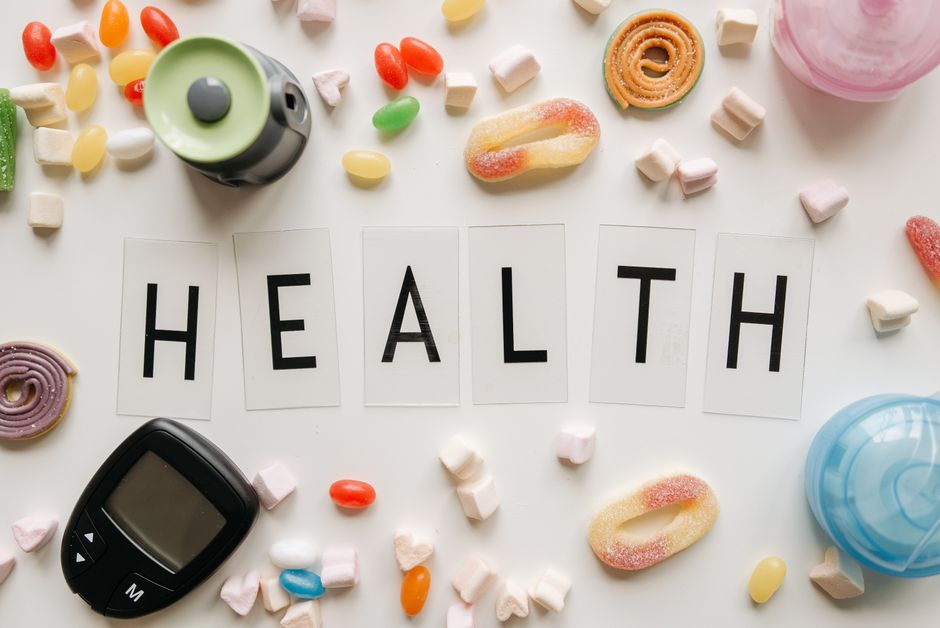
When your blood glucose spikes, your body is telling you something is out of balance. Getting it down quickly and naturally means moving your muscles, drinking water, and avoiding adding more sugar or carbs to your system. The fastest natural methods are a short walk or bodyweight exercise, plain water, and a pause on eating until your levels start to drop.
What Causes Blood Sugar to Spike in the First Place?
Most glucose spikes come from eating carbohydrates your body breaks down into sugar faster than it can use. White bread, sugary drinks, pasta, rice, and sweet snacks are common triggers. The American Diabetes Association notes that refined carbs and added sugars are the main dietary causes of rapid glucose rises.
Stress and lack of sleep also raise blood sugar. When you are stressed, your body releases cortisol and adrenaline. These hormones tell your liver to release stored glucose. A study published in Diabetes Care found that even one night of poor sleep can reduce insulin sensitivity the next morning.
Skipping meals or eating very large portions can cause a rebound spike. Your body may overcorrect after a long gap, releasing too much glucose when you finally eat. Consistent meal timing helps prevent these swings.
Does Exercise Actually Lower Glucose Quickly?
Yes, and it is one of the most reliable methods. When you move your muscles, they pull glucose from your blood for energy without needing as much insulin. A 10 to 15 minute walk after a meal can lower glucose levels measurably. Research from the Journal of Clinical Endocrinology & Metabolism shows that post-meal walking reduces glucose spikes by up to 30 percent in some people.
The type of exercise matters. Moderate activity like brisk walking works well for most people. High-intensity interval training can also lower glucose but may cause a temporary rise first as your liver releases stored sugar. This is normal and usually resolves within 20 minutes.
If you are on diabetes medication or insulin, check your glucose before exercising. If it is above 240 mg/dL and you have ketones in your urine, the CDC advises against vigorous exercise because it can push glucose even higher. Light walking is still generally safe.
How To Get Glucose Down Quickly And Naturally With Water and Food Choices
Drinking water helps your kidneys flush out excess glucose through urine. It is not a cure but it supports your body’s natural removal process. Dehydration makes blood sugar more concentrated, which can keep levels high. Aim for water, not juice or sports drinks.
Apple cider vinegar has some supporting evidence. A small study in Diabetes Care found that taking two tablespoons of apple cider vinegar before a high-carb meal reduced post-meal glucose by about 20 percent. It may work by slowing starch digestion. Do not drink it undiluted — it can damage tooth enamel and your throat. Mix it with water.
Fiber-rich foods like nuts, seeds, and non-starchy vegetables can help slow glucose absorption if you eat them with carbs. They do not lower glucose that is already high, but they prevent further spikes. Cinnamon has mixed evidence. Some small trials show modest benefits, but a 2013 review in The Annals of Family Medicine concluded the results are inconsistent. It is not a reliable emergency tool.



What Not to Do When Your Glucose Is High
Do not eat more carbohydrates. This sounds obvious, but many people reach for fruit juice or crackers when they feel shaky or anxious about a high reading. These will raise glucose further. Wait until your level starts dropping before eating anything.
Do not take extra insulin or medication without consulting your doctor. Overcorrecting can cause hypoglycemia, which is dangerous. If you are on a fixed insulin regimen, follow your prescribed correction dose. If you are not sure, call your healthcare provider.
Do not sit still for hours. Prolonged inactivity keeps muscles from using glucose. If you cannot walk, simple leg lifts or seated marches can help. The goal is gentle movement, not exhaustion.
Do not rely on supplements that promise quick fixes. Many products sold online for blood sugar control contain hidden drugs or unlabeled ingredients. The FDA has issued warnings about several over-the-counter diabetes supplements. Stick with methods that have solid evidence and no risk of harm.
What Does Research Say About Natural Glucose-Lowering Methods?
The strongest evidence supports physical activity and hydration. A 2016 meta-analysis in Diabetologia found that regular physical activity reduces hemoglobin A1c by an average of 0.7 percent in people with type 2 diabetes. This is comparable to some oral medications.
Berberine, a compound found in several plants, has shown promise. A 2012 study in Metabolism found that berberine lowered blood sugar as effectively as metformin in people with type 2 diabetes. However, berberine can interact with other medications and cause digestive side effects. It is not appropriate for everyone.
Chromium and magnesium have weaker evidence. Some studies show small improvements, but results are inconsistent. The National Institutes of Health states that chromium supplements are not recommended for blood sugar control unless you have a confirmed deficiency.
Stress reduction techniques like deep breathing and meditation have indirect benefits. Lower stress means lower cortisol, which means less glucose released from the liver. These methods do not work in minutes but can help prevent future spikes.
| Method | Time to Effect | Strength of Evidence |
|---|---|---|
| 10-15 minute walk | 15-30 minutes | Strong |
| Drinking water | 30-60 minutes | Moderate |
| Apple cider vinegar (before meals) | 1-2 hours | Moderate |
| Cinnamon supplement | Unclear | Weak |
| Berberine | Days to weeks | Moderate to strong |
Common Misconceptions About Lowering Glucose Naturally
One widespread myth is that drinking lemon water or green tea will immediately drop your glucose. Both are healthy beverages, but they do not have a direct, rapid effect on blood sugar. They can support long-term metabolic health but are not emergency tools.
Another misconception is that fasting or skipping the next meal will bring glucose down faster. This can backfire. Your liver may release stored glucose if you go too long without eating, causing a rebound spike. Eating a small, balanced meal with protein and fiber is usually better than skipping food entirely.
Some people believe that eating sugar-free or “diabetic” foods is safe in unlimited amounts. Many sugar-free products contain sugar alcohols or other carbs that can still raise glucose. Check the label for total carbohydrates, not just sugar grams.
Finally, there is no natural cure for diabetes. Lifestyle changes can reduce the need for medication and improve glucose control, but they do not eliminate the underlying condition. Anyone who promises a complete cure is selling something that does not exist.
- Exercise is the fastest natural method — a short walk works best.
- Water helps flush excess glucose through your kidneys.
- Avoid eating more carbs until your level starts dropping.
- Do not take extra medication without medical guidance.
- Stress management and sleep help prevent future spikes.
Frequently Asked Questions
How quickly can exercise lower blood sugar?
Moderate exercise like walking can begin lowering blood sugar within 10 to 15 minutes, with peak effects often seen around 30 minutes after you stop.
Does drinking water really help lower glucose?
Yes, staying hydrated helps your kidneys remove excess glucose through urine, but it works gradually over 30 to 60 minutes.
Can apple cider vinegar lower blood sugar immediately?
Apple cider vinegar works best when taken before a meal to reduce the spike, not as an emergency treatment for high glucose.
What should I eat if my blood sugar is already high?
Do not eat anything until your glucose starts to drop, then choose a small portion of protein or non-starchy vegetables.
