
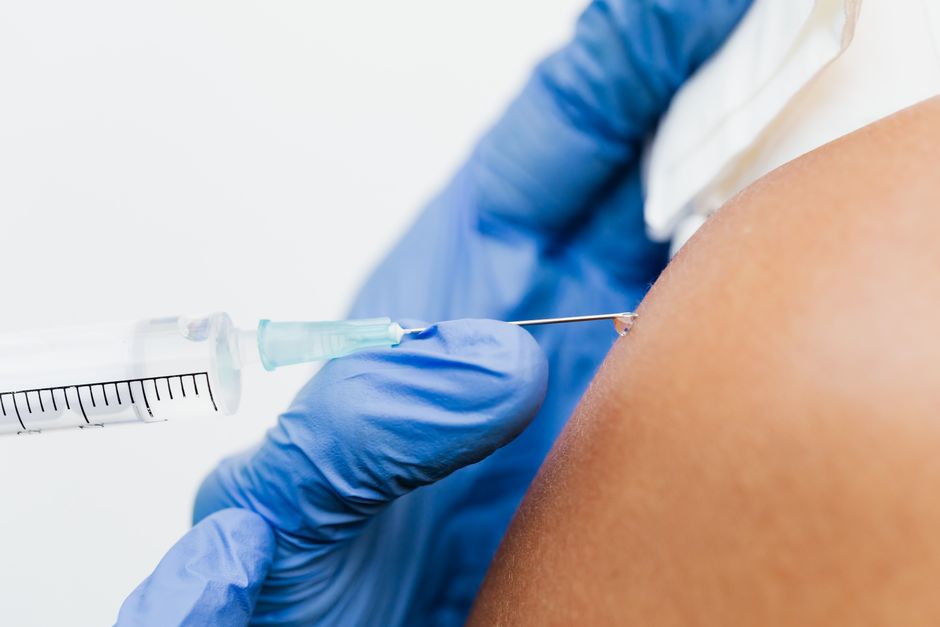
PRP injections for knees typically last 6 to 12 months, while results for hair loss usually last 12 to 18 months with maintenance treatments. These timelines are averages based on current research. Individual results vary based on your age, the severity of your condition, and how consistently you follow up with care. Most people need a series of initial injections followed by periodic “boosters” to keep the benefits going.
How Do PRP Injections Work for Knees and Hair?
Platelet-rich plasma (PRP) is your own blood processed to concentrate healing factors. A small blood sample is spun in a centrifuge to separate the platelet-rich layer from red blood cells. That concentrated plasma is then injected into the target area.
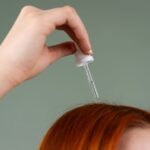
For knees, the goal is to reduce inflammation and support tissue repair. The growth factors in PRP may slow cartilage breakdown and improve joint function. For hair, PRP stimulates follicles in the scalp, encouraging thicker growth and reducing shedding.
Research shows PRP works best for people with mild to moderate osteoarthritis in the knee, not severe bone-on-bone cases. For hair, it helps most with androgenetic alopecia (pattern baldness) that is still active. If your hair loss has been stable for years, PRP may not restart growth.
How Long Do PRP Injections Last for Knees?
Studies have found that knee PRP injections provide pain relief and improved function for 6 to 12 months on average. A 2021 review in the American Journal of Sports Medicine looked at multiple trials and found benefits lasting around 9 months for most patients. Some people report relief lasting up to 18 months, especially if they have mild arthritis and maintain a healthy weight.
The type of PRP matters. Leukocyte-rich PRP (which contains white blood cells) may work better for knees than leukocyte-poor PRP. White blood cells add anti-inflammatory effects that help joint pain. Ask your provider what type they use.
After the initial series of 2 to 3 injections spaced 4 to 6 weeks apart, many patients need a single booster injection every 6 to 12 months. Skipping boosters means the benefits fade faster.
How Long Do PRP Injections Last for Hair?
For hair loss, PRP results typically last 12 to 18 months with maintenance. A 2023 meta-analysis in Dermatologic Surgery found that patients who received three monthly sessions followed by boosters every 4 to 6 months maintained visible improvement for over a year.
Hair PRP works best when combined with other treatments like minoxidil (Rogaine) or finasteride (Propecia). PRP alone may slow hair loss but often does not produce the dramatic regrowth seen in social media before-and-after photos. Those viral results are usually from people using multiple treatments together.
As of 2026, current research suggests that men under 40 and women with early pattern hair loss respond best. If you have been losing hair for more than 5 years, PRP may only slow further loss rather than regrow what is gone.

What Factors Affect How Long PRP Results Last?
Several things determine your personal timeline. Age is a major one. Younger patients tend to heal faster and maintain results longer. People over 60 often see shorter-lasting benefits for knees, sometimes only 4 to 6 months.
Severity matters. Mild knee arthritis responds better than advanced bone-on-bone disease. For hair, early thinning with miniaturized follicles (still alive but shrinking) has a better chance than completely bald areas where follicles are dead.
Your lifestyle plays a role too. Smoking, heavy alcohol use, and poor sleep slow healing. Obesity increases load on knee joints, which can shorten PRP relief. For hair, stress and poor nutrition can counteract PRP benefits.
Provider skill is another factor. PRP preparation varies widely between clinics. Some use low-quality centrifuges or inject too shallow or deep. A skilled provider who uses proper technique gets better, longer-lasting results.
| Factor | Effect on Knee PRP Duration | Effect on Hair PRP Duration |
|---|---|---|
| Mild condition | 12-18 months | 18-24 months |
| Moderate condition | 6-12 months | 12-18 months |
| Severe condition | 3-6 months | 6-12 months (slowing loss only) |
| Age under 50 | Longer duration | Longer duration |
| Smoker | Shorter duration | Shorter duration |
| Regular exercise | Extends relief | No direct effect |
What Are the Side Effects and Risks of PRP Injections?
PRP is generally safe because it uses your own blood. Serious side effects are rare. The most common issues are temporary pain, swelling, and bruising at the injection site. These usually resolve within a few days.
For knee injections, some people experience a flare of joint pain for 24 to 48 hours after the procedure. This is normal and indicates an inflammatory response that may help healing. Ice and over-the-counter pain relievers like acetaminophen (Tylenol) can help. Avoid ibuprofen (Advil) or naproxen (Aleve) for a week after treatment because they can reduce the inflammatory response PRP needs to work.
For hair injections, mild scalp tenderness and small bumps at injection sites are common. These go away within a day or two. Infection is possible but very rare when proper sterile technique is used.
There is no evidence that PRP causes cancer or long-term harm. The procedure has been used for decades in sports medicine and dermatology with a strong safety record.
Common Misconceptions About PRP Injections
Misconception: PRP is a one-time cure. PRP is not a permanent fix. It stimulates your body’s own healing, which has limits. Most people need ongoing maintenance treatments to sustain results.
Misconception: PRP works for everyone. Not everyone responds. About 20 to 30 percent of people see little to no benefit from PRP for knees or hair. There is no reliable way to predict who will respond, though younger patients with milder conditions do better.
Misconception: PRP replaces surgery. PRP can delay knee replacement surgery but does not fix structural damage like torn cartilage or advanced arthritis. For hair, PRP does not regrow hair on completely bald spots. It works best on thinning areas where follicles are still alive.
Misconception: More PRP is better. There is a limit to how much growth factor your tissue can use. One well-placed injection with high-quality PRP is better than multiple low-quality injections. More volume does not mean better results.
What to Avoid When Getting PRP Injections
- Avoid anti-inflammatory drugs like ibuprofen, naproxen, or aspirin for 7 days before and after treatment. They blunt the healing response PRP depends on.
- Avoid alcohol for 48 hours before and after injections. Alcohol thins blood and increases bruising risk.
- Avoid smoking before and after treatment. Nicotine constricts blood vessels and reduces oxygen delivery to healing tissues.
- Avoid ice on the injection site for the first 24 hours for hair PRP. Ice can reduce blood flow to the scalp. For knees, limited ice is okay.
- Avoid strenuous exercise for 48 hours after knee injections. Give the joint time to settle.
- Avoid hair coloring or chemical treatments for 48 hours after scalp injections to prevent irritation.
Frequently Asked Questions
How many PRP injections do I need for knees?
Most protocols use 2 to 3 initial injections spaced 4 to 6 weeks apart, followed by a single booster every 6 to 12 months as needed.
How many PRP injections do I need for hair?
Typical treatment involves 3 monthly sessions, then maintenance boosters every 4 to 6 months to sustain results.
Does PRP hurt?
The blood draw is standard. The injection itself causes brief discomfort, similar to a vaccine. Numbing cream or local anesthetic can be used for scalp injections.
Is PRP covered by insurance?
Most insurance plans do not cover PRP because it is considered an elective cosmetic or experimental procedure. Costs range from $500 to $2,500 per session depending on location and provider.
