
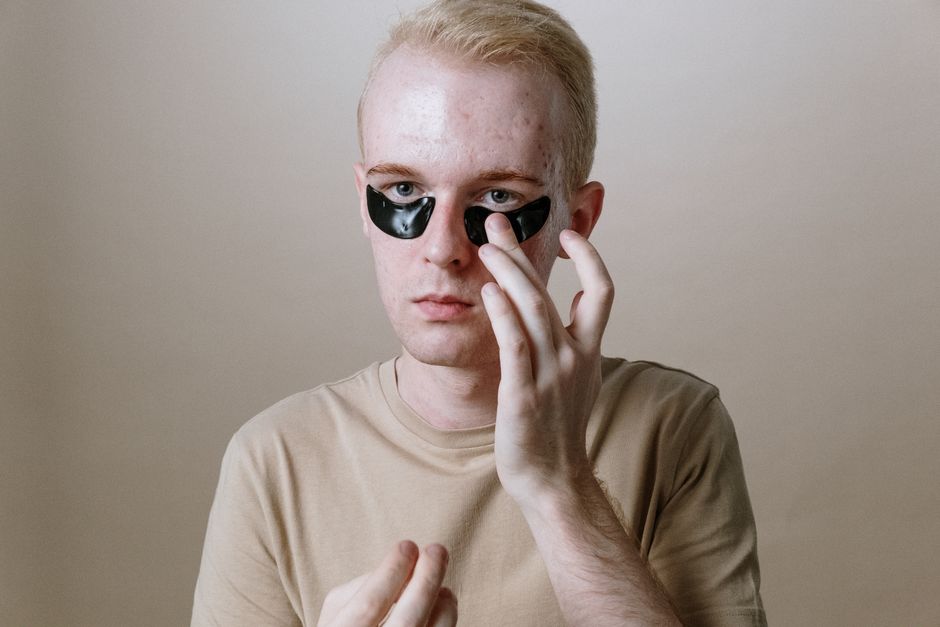
Taking B12 injections can clear up a deficiency and boost your energy. For some people, it also causes breakouts. This is a known side effect, not something you are imagining. The acne usually shows up on the face, chest, and back. It can look like small red bumps or deeper, painful cysts. The good news is that this type of acne is treatable and often temporary. The most effective way to treat it is to address the root cause: the excess B12 in your system. This means talking to your doctor about your dose and frequency. In the meantime, you can manage the breakouts with specific skincare steps and over-the-counter treatments that target the unique way B12 causes acne.
What Causes Acne From B12 Injections?
Research shows that high doses of vitamin B12 can change how the skin bacteria that live on your face behave. A study published in Science Translational Medicine found that B12 suppresses the production of a compound called porphyrin in the skin bacteria Propionibacterium acnes. When this happens, the bacteria produce more inflammatory molecules. This triggers an immune response that leads to pimples.
It is not an allergic reaction. It is a direct biological effect of too much B12 on your skin’s microbiome. Most people who get B12 injections receive doses far higher than the daily recommended intake. This flood of B12 overwhelms the bacteria on your skin and causes them to react. The acne typically appears within a few days to a few weeks of starting injections or increasing your dose.
Not everyone who takes B12 injections gets acne. Your genetics and your skin’s unique bacterial makeup matter. Some people are simply more sensitive to this effect. If you are prone to acne in general, you are more likely to see breakouts from B12 injections.
How To Treat Acne Caused By B12 Injections: What Actually Works
Treating this type of acne starts with reducing the trigger. The most direct approach is to talk to your doctor about lowering your B12 dose or spacing out your injections. Many people find that switching from weekly to monthly injections stops the breakouts completely. Your doctor can help you find the lowest effective dose that still corrects your deficiency without causing skin problems.
For the acne itself, topical treatments that target inflammation work best. Benzoyl peroxide is a strong option. It kills the bacteria that are reacting to the excess B12 and helps clear pores. Use a 2.5% or 5% wash or gel once daily. Start slowly to avoid irritation. Salicylic acid can also help by unclogging pores and reducing redness.
Non-comedogenic moisturizers are important. Your skin barrier needs support while you treat the breakouts. Look for products labeled “oil-free” and “non-comedogenic.” A simple routine is better than a complicated one. Cleanse, treat, and moisturize. Do not add multiple new products at once. Give each one two weeks to see if it helps.
| Treatment | How It Works | Best For |
|---|---|---|
| Lower B12 dose | Reduces bacterial overreaction | Preventing new breakouts |
| Benzoyl peroxide | Kills bacteria, reduces inflammation | Active red pimples and cysts |
| Salicylic acid | Unclogs pores, exfoliates skin | Blackheads and whiteheads |
| Non-comedogenic moisturizer | Supports skin barrier without clogging pores | Daily maintenance |
Can You Keep Taking B12 Injections and Still Clear the Acne?
Yes, many people can. You do not always have to stop the injections entirely. The key is finding the right balance. Some people find that taking a lower dose, such as 500 mcg instead of 1000 mcg, completely stops the breakouts. Others find that switching from injections to sublingual tablets or oral supplements avoids the problem altogether.
If you need to stay on injections for medical reasons, you can manage the acne with consistent skincare. Topical treatments like adapalene, a retinoid available over the counter, can help regulate skin cell turnover and reduce breakouts. It works well for this type of acne because it addresses the inflammatory response at the skin level.
Your dermatologist may prescribe a topical antibiotic like clindamycin if the breakouts are severe. This is a short-term solution. The goal is always to reduce the trigger first and use medication as a backup. Do not start any prescription treatment without a doctor’s guidance.



What Skincare Routine Works Best for B12 Acne?
A simple, consistent routine is more effective than a complicated one. Start with a gentle cleanser. Avoid harsh scrubs or alcohol-based toners. They will irritate your skin and make the acne worse. Use lukewarm water and pat your skin dry.
Apply your treatment product next. If you are using benzoyl peroxide, leave it on for a few minutes before rinsing if it is a wash. If it is a leave-on gel, apply a thin layer to the affected areas only. Follow with a lightweight, oil-free moisturizer. This step is non-negotiable. Treated skin needs hydration to heal properly.
In the morning, use a sunscreen with at least SPF 30. Benzoyl peroxide and retinoids make your skin more sensitive to the sun. Sun exposure can darken acne spots and slow healing. A mineral sunscreen with zinc oxide is a good choice because it is less likely to irritate your skin.
Do not pick at the pimples. This causes scarring and spreads bacteria. If you have a deep, painful cyst that does not go away, see a dermatologist. They can give you a cortisone injection to bring down the swelling quickly.
- Cleanse: Gentle, non-comedogenic cleanser twice daily.
- Treat: Benzoyl peroxide or salicylic acid on active breakouts.
- Moisturize: Oil-free, non-comedogenic moisturizer every time.
- Protect: SPF 30+ sunscreen every morning.
How Long Does B12 Acne Last After Stopping Injections?
Most people see improvement within two to four weeks after stopping or reducing their B12 injections. The acne does not disappear overnight. Your skin needs time to clear the excess B12 and for the inflammation to subside. Existing pimples will go through their normal lifecycle, which takes about one to two weeks.
If you have been on high-dose injections for months, it may take longer. Your body stores excess B12 in the liver. It can take several weeks for those levels to drop to normal. During this time, you may still get new breakouts, though they should become less frequent and less severe.
Scarring from B12 acne is rare if you do not pick at the pimples. Red or dark marks left after the acne clears are called post-inflammatory hyperpigmentation. These fade on their own over several months. Using sunscreen daily helps them fade faster. Products with vitamin C or niacinamide can also help lighten these marks.
Common Misconceptions About B12 Acne
One common myth is that B12 acne means you are allergic to the injection. This is not true. It is a reaction to the dose, not the vitamin itself. An allergic reaction would involve hives, itching, or swelling. Acne alone is not an allergy.
Another misconception is that you need to stop all B12 forever. Most people can continue taking B12 in some form. The issue is the dose and the delivery method. Oral B12 supplements rarely cause acne because the body absorbs less of the vitamin through the digestive tract. Injections bypass this and deliver a high dose directly into the bloodstream.
Some people believe that washing their face more often will fix the problem. Over-washing strips the skin of natural oils and can make acne worse. Stick to twice daily cleansing. More is not better.
Frequently Asked Questions
Can vitamin B12 injections cause acne in people who never had it before?
Yes. High-dose B12 injections can trigger acne even in people with clear skin. The reaction depends on your skin bacteria and genetics, not your history of acne.
How soon after a B12 injection does acne appear?
Breakouts usually appear within a few days to two weeks after starting injections or increasing your dose. The timing varies from person to person.
Will reducing my B12 dose stop the acne completely?
For most people, yes. Lowering the dose or spacing out injections often stops new breakouts. Existing pimples still need time to heal.
Is it safe to use acne treatments while taking B12 injections?
Yes. Over-the-counter treatments like benzoyl peroxide and salicylic acid are safe to use. Check with your doctor before adding prescription treatments.
