
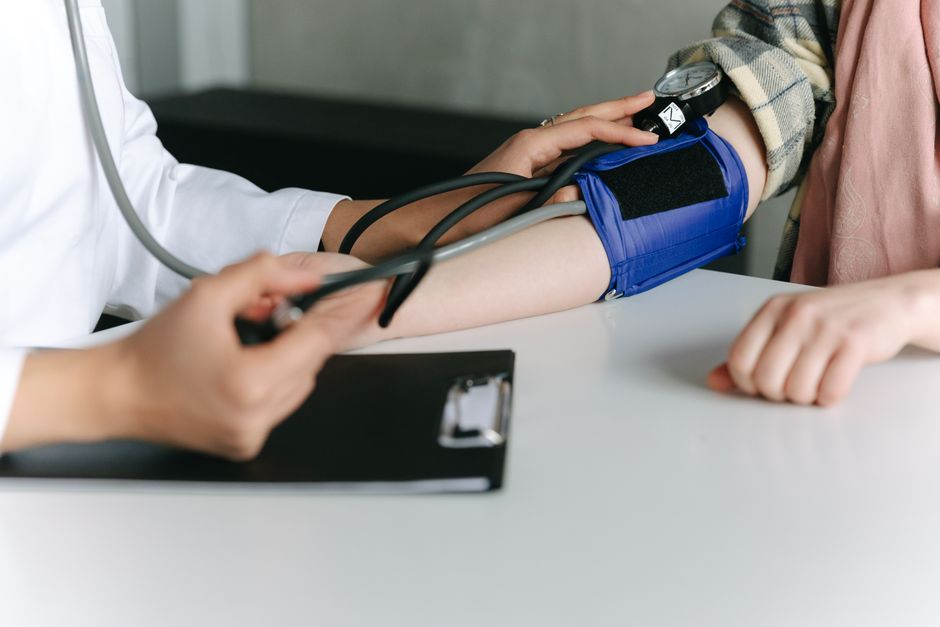
Blood pressure is too high when the top number (systolic) reaches 130 or higher, or the bottom number (diastolic) reaches 80 or higher. That is the threshold for stage 1 hypertension under the guidelines used by most US clinicians. Normal blood pressure is below 120/80. The range between 120-129 systolic with diastolic still under 80 is called elevated, and it is a warning sign rather than a diagnosis.
Those numbers matter because high blood pressure usually causes no symptoms at all. You cannot feel it. Most people find out through a routine reading, which is why knowing the cutoffs is more useful than waiting for a sign.
What Do the Blood Pressure Numbers Actually Mean?
Every reading has two numbers. The top one, systolic pressure, is the force against your artery walls when your heart contracts and pushes blood out. The bottom one, diastolic pressure, is the pressure that remains while your heart relaxes and refills between beats.
Both numbers carry information. For years, doctors focused heavily on the bottom number, especially in younger adults. Research over the past few decades has made clear that systolic pressure is a strong predictor of cardiovascular risk, particularly after age 50, when arteries stiffen and systolic pressure tends to climb.
When the two numbers fall into different categories, the higher category generally applies. A reading of 118/84, for example, is treated as stage 1 hypertension because the diastolic number crosses into that range, even though the systolic number is normal.
How High Is Too High Blood Pressure? Know The Numbers
The categories below come from the blood pressure guidelines established by the American College of Cardiology and the American Heart Association in 2017. They remain the framework US clinicians generally use.
| Category | Systolic (mm Hg) | Diastolic (mm Hg) | |
|---|---|---|---|
| Normal | Less than 120 | and | Less than 80 |
| Elevated | 120-129 | and | Less than 80 |
| Stage 1 hypertension | 130-139 | or | 80-89 |
| Stage 2 hypertension | 140 or higher | or | 90 or higher |
| Hypertensive crisis | Higher than 180 | and/or | Higher than 120 |
Notice the word “or” in the stage 1 and stage 2 rows. Either number reaching its threshold is enough to place you in that category. This is one of the most commonly misunderstood points about blood pressure. People often look at a reading like 128/86 and focus only on the top number, assuming they are fine because it is under 130. The diastolic reading of 86 puts that person in stage 1 hypertension.
A hypertensive crisis reading above 180/120 is a different situation entirely. If you get a reading that high and you have symptoms such as chest pain, shortness of breath, back pain, numbness, weakness, vision changes, or difficulty speaking, call 911. If you have no symptoms, wait about five minutes and measure again. If it stays that high, contact a doctor right away.
Why Did the Thresholds Change From 140/90 to 130/80?
The 2017 guidelines lowered the definition of hypertension from 140/90 to 130/80. That change was not arbitrary. It followed a large clinical trial called SPRINT, which found that treating systolic pressure to a lower target reduced cardiovascular events and mortality compared with a higher target in people at elevated risk.
The shift also reflected a broader understanding: risk to the heart, brain, and kidneys begins to rise well before blood pressure reaches 140/90. The change moved millions of Americans into the hypertension category overnight, mostly into stage 1. That was intentional. The goal was earlier awareness and earlier action, not automatically earlier medication.
Not every major guideline body worldwide agrees. Some international guidelines still define hypertension starting at 140/90. The difference is partly about how you balance population-wide labeling against individual treatment decisions. If your reading falls between 130/80 and 140/90, your clinician’s approach may depend on your overall cardiovascular risk, not the number alone.

Does One High Reading Mean You Have High Blood Pressure?
No. A single elevated reading does not diagnose hypertension. Blood pressure fluctuates throughout the day with activity, stress, caffeine, a full bladder, talking during the measurement, and even the setting itself.
Some people have what is called white coat hypertension, where readings are high in a clinic but normal at home. Others have masked hypertension, where clinic readings look fine but home readings are high. Both patterns are real and both matter for treatment decisions.
Diagnosis typically requires multiple readings taken on separate occasions. Many clinicians now ask patients to measure at home or use a 24-hour ambulatory monitor, a device worn for a full day that captures readings during normal activity and sleep. Home and ambulatory readings often give a clearer picture than a single clinic visit.
How Should You Measure Blood Pressure at Home?
Home measurement is only useful if it is done correctly. Technique affects readings more than most people realize — a few common mistakes can push a number up by a meaningful margin.
- Sit quietly for five minutes before measuring. Do not talk or scroll on your phone during the reading.
- Keep your back supported and both feet flat on the floor. Do not cross your legs.
- Rest your arm on a table so the cuff sits at heart level.
- Use a cuff that fits your arm. A cuff that is too small can read falsely high.
- Measure at the same times each day, and take two readings about a minute apart.
- Avoid caffeine, exercise, and smoking for 30 minutes beforehand.
Use a validated upper-arm cuff monitor rather than a wrist or finger device. Wrist monitors are more sensitive to position and tend to be less accurate in practice. Bring your monitor to a clinic visit occasionally so it can be checked against a professional reading.
What If Only One Number Is High?
Isolated systolic hypertension — a high top number with a normal bottom number — is the most common form of high blood pressure in adults over 50. It happens because arteries stiffen with age, so the surge of pressure when the heart contracts meets less give in the vessel walls.
Isolated diastolic hypertension, where only the bottom number is high, is less common and tends to appear in younger adults. Some research suggests it carries its own cardiovascular risk, though the evidence is less settled than for systolic pressure.
Either pattern deserves attention. Neither should be dismissed because the other number looks acceptable.
When Does High Blood Pressure Need Treatment?
Treatment depends on the category and on your overall risk, not on the number alone. For elevated blood pressure (120-129/under 80), the usual approach is lifestyle change without medication. For stage 1 hypertension, guidelines generally recommend lifestyle changes for most people, with medication added when cardiovascular risk is higher — for example, in people with diabetes, kidney disease, or a prior heart event.
For stage 2 hypertension, guidelines generally recommend medication alongside lifestyle changes from the start. This is a general direction, not a rule for every individual. Your clinician weighs your age, other conditions, and your personal risk profile.
Lifestyle measures that have solid evidence behind them include reducing sodium intake, increasing potassium-rich foods for people whose kidneys function normally, regular physical activity, limiting alcohol, losing weight if you carry excess, and not smoking. These are not alternative medicine. They are the same measures that appear in mainstream clinical guidelines.
One clarification worth making: blood pressure medication does not “cure” high blood pressure, and stopping it usually allows pressure to rise again. That is not a sign the drug failed. It reflects how the medication works while you take it.
What About Blood Pressure That Drops Too Low?
The question usually runs the other way, but low readings deserve a brief note. There is no universal cutoff for hypotension the way there is for hypertension. Some healthy people run naturally low and feel fine. Symptoms are what matter — dizziness, fainting, blurred vision, fatigue, or confusion, especially when standing up.
If you take blood pressure medication and your readings are consistently low with symptoms, that is a conversation to have with your clinician rather than something to manage on your own.
Frequently Asked Questions
Is 130 over 80 considered high blood pressure?
Yes. A reading of 130/80 falls into stage 1 hypertension under the guidelines most US clinicians follow. Either number reaching its threshold is enough to place you in that category.
What is a dangerously high blood pressure reading?
A reading higher than 180/120 is considered a hypertensive crisis. If you have symptoms such as chest pain, shortness of breath, or vision changes, call 911 immediately.
Can high blood pressure be cured without medication?
Some people with stage 1 hypertension lower their readings into normal range through sustained lifestyle changes, though this varies widely by individual. High blood pressure is generally managed rather than cured, and whether medication is needed depends on your overall cardiovascular risk.
How often should I check my blood pressure?
Adults with normal readings at routine visits are usually checked at least once a year. If your readings are elevated or you have other risk factors, your clinician may recommend more frequent home monitoring.
