
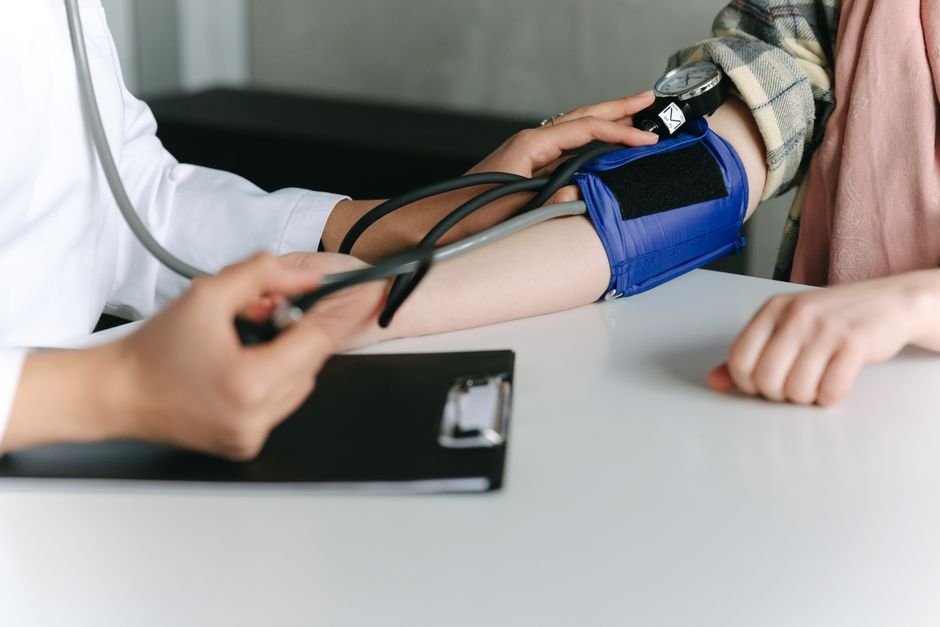
High blood pressure does not have a simple cure, but it can be effectively controlled. The most reliable way to lower your blood pressure is a combination of lasting lifestyle changes and, when needed, medication prescribed by your doctor. This means eating less sodium, more vegetables and whole grains, staying at a healthy weight, getting regular physical activity, limiting alcohol, and managing stress. For many people, these steps can bring blood pressure down to a healthy range without drugs. But for others, medication is essential and works well alongside healthy habits.
What Is High Blood Pressure?
Blood pressure is the force of blood pushing against the walls of your arteries as your heart pumps. When that force stays high over time, it is called hypertension. A normal reading is below 120/80 mmHg. Readings between 120–129 systolic and below 80 diastolic are considered elevated. Stage 1 hypertension is 130–139 systolic or 80–89 diastolic. Stage 2 is 140 or higher systolic, or 90 or higher diastolic.
High blood pressure damages arteries and makes the heart work harder. Over time it raises the risk for heart attack, stroke, kidney disease, and other serious conditions. Most people with hypertension have no symptoms, so it is important to check your numbers regularly.
What Lifestyle Changes Lower Blood Pressure Most?
Research consistently shows that several lifestyle changes can lower blood pressure as much as some medications. The effects add up when you combine them.
- Lose excess weight. Even a 5–10 pound loss can make a difference if you are overweight. Losing 1% of your body weight can lower systolic pressure by about 1 mmHg, and greater loss produces greater reductions.
- Eat less sodium. Cutting salt to under 2,300 mg per day helps most people. Reducing it further to around 1,500 mg per day can lower systolic pressure by 5–6 mmHg on average. Processed foods and restaurant meals are the biggest sources.
- Get more potassium. Potassium helps your body flush out sodium. Good sources are bananas, potatoes, spinach, beans, and yogurt. Do not take potassium supplements without checking with your doctor, especially if you have kidney problems.
- Follow the DASH diet. The Dietary Approaches to Stop Hypertension (DASH) diet emphasizes fruits, vegetables, whole grains, lean protein, and low-fat dairy. It limits saturated fat, red meat, sweets, and sugary drinks. Studies show it can lower systolic pressure by 8–14 mmHg.
- Be physically active. At least 150 minutes per week of moderate aerobic exercise – brisk walking, cycling, swimming – lowers systolic pressure by about 5–8 mmHg. Strength training two days per week adds benefit.
- Limit alcohol. For men, no more than two drinks per day. For women, no more than one. Cutting back can reduce systolic pressure by 2–4 mmHg.
- Quit smoking. Smoking spikes blood pressure temporarily and damages artery walls. Quitting does not directly lower average blood pressure numbers as much as some other changes, but it dramatically reduces overall cardiovascular risk.
These changes work best when done together. A person who loses weight, reduces salt, exercises, and eats well can see reductions of 10–20 mmHg or more in systolic pressure without medication.
How Does the DASH Diet Work Exactly?
DASH is not a fad diet. It is an eating pattern backed by clinical trials. The diet is rich in nutrients that help lower blood pressure: potassium, calcium, magnesium, and fiber. At the same time it limits sodium, unhealthy fats, and added sugars.
A typical DASH menu includes several servings of vegetables and fruits at each meal, whole grains instead of refined, low-fat dairy, nuts and legumes, and small amounts of lean meat and fish. Sweets and sugary drinks are kept to a few times per week. Sodium is capped at 2,300 mg per day, with an option to go lower to 1,500 mg.
The DASH-Sodium trial compared two sodium levels – 3,300 mg per day and 1,500 mg per day – in people eating the DASH diet. Those on the lower sodium version lowered their systolic pressure by an average of 7 mmHg on top of the diet’s own effect. Together, DASH with reduced sodium lowered systolic pressure by about 12 mmHg in people with hypertension.
Studies have also found that DASH reduces LDL cholesterol and triglycerides, so the benefits go beyond blood pressure.
How To Rid High Blood Pressure With Exercise and Weight Loss
Carrying extra weight, especially around the belly, forces your heart to pump harder. Losing even a moderate amount of weight reliably lowers blood pressure. Research shows that for every 1 kg (2.2 lb) lost, systolic pressure drops by about 1 mmHg on average. In people with higher starting weights, the effect can be larger.
Exercise strengthens the heart so it pumps blood with less effort, reducing the force on your arteries. Regular aerobic exercise lowers resting blood pressure by 5–8 mmHg in people with hypertension. The effect appears within a few weeks and lasts as long as you stay active.
You do not need intense workouts. Brisk walking for 30 minutes most days is effective. Adding two strength-training sessions per week provides additional benefit. Even breaking activity into 10-minute chunks throughout the day works.
When Is Medication Needed?
Lifestyle changes are powerful, but they are not always enough. If your blood pressure stays above 130/80 after several months of consistent effort, or if it is already very high (above 140/90), your doctor will likely recommend medication. For people with stage 2 hypertension or those who also have diabetes, heart disease, or kidney disease, starting medication right away alongside lifestyle changes is standard practice.
Several types of blood pressure medications exist. Diuretics help the kidneys remove sodium and water. ACE inhibitors and ARBs relax blood vessels by blocking a chemical that narrows them. Calcium channel blockers also relax arteries. Beta-blockers slow the heart rate. Most patients need two or more medications to reach their goal.
Medication does not mean you can stop the lifestyle changes. In fact, the two work together. People who eat well and exercise often need lower doses or fewer drugs. Some are eventually able to reduce or stop medication under a doctor’s supervision.
Can Stress Management Really Lower Blood Pressure?
Stress causes temporary spikes in blood pressure. Chronic stress may contribute to hypertension through repeated spikes and unhealthy coping habits such as overeating, drinking, or smoking. However, the evidence that managing stress directly lowers long-term blood pressure numbers is less strong than for diet and exercise.
Mindfulness, meditation, and deep-breathing exercises have been studied. Some trials show small reductions – around 4–5 mmHg systolic. Other trials show no significant effect. The practice of slow-paced breathing (such as 5–6 breaths per minute) using a device or just on your own may produce modest reductions in some people.
Stress management is worth including because it helps overall well-being and supports other healthy habits. But do not rely on it as your main strategy. Focus first on the interventions with the strongest evidence: diet, exercise, weight, and medication if prescribed.
What About Supplements and Natural Remedies?
Many products claim to lower blood pressure naturally. The evidence for most is weak or mixed. A few supplements have some research support, but none replace lifestyle changes or medication.
Potassium supplements can lower pressure modestly, but they also carry risks, especially for people with kidney disease. Coenzyme Q10, garlic extract, fish oil, and hibiscus tea have shown small effects in some studies but results are inconsistent. The American Heart Association does not recommend any supplement for routine blood pressure treatment.
Be skeptical of any product that promises a quick fix or a “natural cure.” If a supplement worked as well as a prescription drug, it would be approved as one. Some supplements can interfere with blood pressure medications. Always talk with your doctor before taking anything.
How to Monitor Your Progress at Home
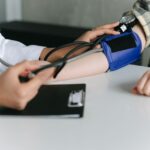
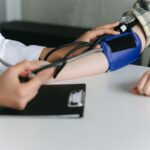
Home monitoring helps you track whether your efforts are working. Use an automatic, upper-arm cuff monitor that fits properly. Take readings at the same time each day – usually morning before eating or taking medication, and evening. Sit quietly for five minutes before measuring, with your feet flat and arm supported at heart level. Record your numbers and share them with your doctor.
One high reading is not a concern. Look at averages over several days. If your home readings stay above 130/80 despite lifestyle changes and medication, your doctor may need to adjust your treatment.
Frequently Asked Questions
Can high blood pressure be completely cured?
No, hypertension is a chronic condition. But many people can control it to normal levels with lifestyle changes and medication, and some can eventually reduce or stop medication under a doctor’s guidance.
How quickly can lifestyle changes lower blood pressure?
Some changes, like reducing sodium and starting exercise, can produce noticeable drops within one to four weeks. Full effects usually take two to three months of consistent effort.
Is medication always necessary for high blood pressure?
Not always. People with stage 1 hypertension (130–139/80–89) who have no other risk factors may try lifestyle changes alone for several months. If blood pressure stays above goal, medication is usually added.
What is the single most effective dietary change for lowering blood pressure?
Reducing sodium to under 1,500 mg per day, combined with following the DASH diet, produces the largest and most consistent blood pressure reductions in the research.
