
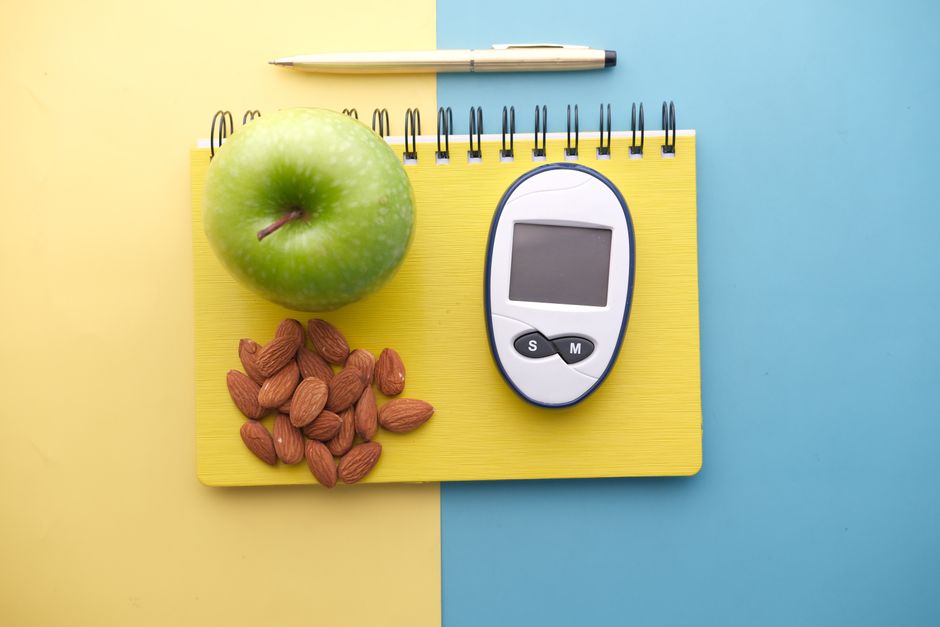
Every time you eat a piece of bread, a cascade of molecular events begins that ends with sugar entering your cells. That process depends on glucose receptors — proteins that sit in cell membranes and respond to signals about sugar levels in your blood. The short answer: glucose receptors detect a signal (either the glucose molecule itself or the hormone insulin), trigger a response inside the cell, and move glucose transporters to the cell surface to bring sugar in. Without this system working properly, glucose stays in the blood instead of fueling your tissues.
What Are Glucose Receptors and What Do They Do?
The term “glucose receptor” covers more than one type of protein. The two most studied are the insulin receptor and the glucose-sensing receptors found on pancreatic beta cells. Each plays a different role in managing blood sugar.
The insulin receptor sits on the surface of muscle, fat, and liver cells. It does not bind glucose. It binds insulin, the hormone released by the pancreas when blood sugar rises after a meal. When insulin locks onto this receptor, it sends a signal into the cell that tells glucose transporters to move to the cell membrane.
The glucose-sensing system in pancreatic beta cells works differently. These cells detect glucose directly through an enzyme called glucokinase, which acts as a glucose sensor. When blood glucose rises, glucokinase triggers a chain of events that leads to insulin release. This is how the pancreas knows when to send insulin into the bloodstream.
There is also a family of proteins called GLUT transporters. These are not receptors in the classic sense — they are channels that physically carry glucose across cell membranes. But they are the endpoint of the receptor signal, so they matter to the full picture.
A common misunderstanding: glucose does not need insulin to enter all cells. Brain cells, red blood cells, and cells lining the intestine take up glucose through transporters that do not require insulin at all. Insulin-dependent uptake happens mainly in muscle and fat tissue.
How Glucose Receptors Work From Signal To Uptake
The process from signal to uptake follows a specific sequence. Understanding it helps explain why problems at any step can lead to high blood sugar.
Step 1: Blood glucose rises. After a meal, glucose from digested food enters the bloodstream. Blood glucose levels increase.
Step 2: The pancreas detects the change. Beta cells in the pancreas sense the rise through glucokinase. This triggers insulin production and release into the blood.
Step 3: Insulin reaches target cells. Insulin travels through the bloodstream and binds to insulin receptors on the surface of muscle, fat, and liver cells.
Step 4: The receptor sends a signal inside the cell. When insulin binds, the receptor changes shape and activates itself by adding phosphate groups to specific sites. This attracts signaling proteins inside the cell. One key protein is IRS-1 (insulin receptor substrate 1), which acts as a docking station for other signaling molecules.
Step 5: Transporters move to the surface. The signal cascade activates a protein called Akt. Akt triggers the movement of GLUT4 transporter sacs stored inside the cell to the cell membrane. GLUT4 is the glucose transporter used in muscle and fat cells.
Step 6: Glucose enters the cell. Once GLUT4 reaches the cell surface, it opens a channel. Glucose flows from the blood into the cell along its concentration gradient. The cell now has fuel.
This entire sequence happens within minutes of insulin binding. The speed matters because blood glucose needs to return to normal range quickly to avoid damage to blood vessels and organs.
What Happens When Glucose Receptors Stop Working Properly?
When the insulin receptor signal weakens, cells stop responding to insulin. This is called insulin resistance. The pancreas initially compensates by making more insulin, but over time it may not keep up. When blood glucose stays elevated, the result is type 2 diabetes.
Insulin resistance is common. It often develops years before blood sugar levels rise enough to meet the diagnostic threshold for diabetes. Research consistently shows that lifestyle factors — body weight, physical activity, and diet quality — influence how well insulin receptors function. But genetics and age also play roles that are not fully controllable.
In type 1 diabetes, the problem is different. The immune system destroys pancreatic beta cells, so the body cannot produce insulin. Without insulin, the receptor signal never starts. Glucose stays in the blood because GLUT4 never moves to the cell surface in muscle and fat tissue.
Some rare genetic conditions affect the insulin receptor directly. Mutations in the insulin receptor gene can cause severe insulin resistance syndromes. These are uncommon but illustrate how central this receptor is to glucose management.

How Do Scientists Study Glucose Receptors?
Researchers use several methods to study how glucose receptors work. Cell cultures allow scientists to observe receptor signaling in controlled conditions. Animal models, particularly mice, help show how the system behaves in a living body.
More recently, advanced imaging techniques have allowed researchers to watch GLUT4 movement in real time. Some studies use fluorescent tags to track proteins inside cells. These tools have clarified the steps between insulin binding and glucose uptake.
Genetic studies in humans have identified variations in genes related to insulin signaling that affect diabetes risk. But the picture is complex — many genes each contribute a small amount. No single gene determines whether someone develops insulin resistance.
Understanding these mechanisms has led to drug development. Metformin, one of the most prescribed diabetes medications, works partly by reducing glucose production in the liver and improving insulin sensitivity in peripheral tissues. Its exact mechanisms are still being studied, but it does not act directly on the insulin receptor.
What Affects How Well Glucose Receptors Function?
Several factors influence insulin receptor sensitivity. Some are within your control. Others are not.
- Physical activity: Muscle contractions during exercise can move GLUT4 to the cell surface without insulin. This is one reason exercise lowers blood sugar even in people with insulin resistance.
- Body fat: Excess fat tissue, especially around the abdomen, releases inflammatory signals that can interfere with insulin receptor signaling.
- Diet: Diets high in refined carbohydrates and saturated fats may worsen insulin sensitivity over time. The evidence here is consistent but not uniform across all studies.
- Sleep: Short sleep duration and poor sleep quality are associated with reduced insulin sensitivity. The relationship is well documented, though the exact mechanisms are still being investigated.
- Genetics: Family history affects insulin receptor function and diabetes risk. Some people are more susceptible regardless of lifestyle.
- Medications: Some drugs, including certain steroids and antipsychotics, can impair insulin sensitivity.
These factors interact. No single one tells the whole story. A person with a strong genetic risk may still maintain normal blood sugar through lifestyle, while someone with no family history can develop insulin resistance.
Why Some Cells Take Up Glucose Without Insulin
Not every cell depends on insulin to get glucose. This is an important distinction that is often overlooked.
Brain cells use GLUT1 and GLUT3 transporters, which are always present on the cell surface. The brain takes up glucose continuously, whether insulin is present or not. This makes sense — the brain needs a steady fuel supply and cannot wait for meal-related insulin spikes.
Red blood cells use GLUT1 as well. They also take up glucose without insulin.
Cells in the liver use GLUT2, a transporter with a low affinity for glucose. This means the liver only takes up glucose when blood levels are high, such as after a meal. Insulin does affect liver cells, but through different signaling pathways than muscle and fat.
The intestine uses GLUT2 and SGLT1 to absorb glucose from food. These transporters work independently of insulin.
This variation matters for understanding diabetes. When insulin signaling fails, muscle and fat cells are most affected. The brain and red blood cells continue to get glucose. This is why severe hyperglycemia can coexist with cells that are starving for fuel in some tissues while other tissues are fine.
Frequently Asked Questions
What is the difference between a glucose receptor and a glucose transporter?
A glucose receptor detects a signal, such as insulin or glucose itself, and triggers a response inside the cell. A glucose transporter is the protein that physically carries glucose across the cell membrane. The receptor starts the process; the transporter finishes it.
Do all cells need insulin to take up glucose?
No. Brain cells, red blood cells, and intestinal cells take up glucose without insulin. Insulin-dependent glucose uptake happens mainly in muscle and fat tissue through the GLUT4 transporter.
Can insulin resistance be reversed?
In some cases, yes. Research consistently shows that weight loss, regular physical activity, and dietary changes can improve insulin sensitivity. But the degree of improvement varies, and some people may still need medication to manage blood sugar.
What happens if the insulin receptor stops working entirely?
If insulin receptors do not function, muscle and fat cells cannot take up glucose efficiently, leading to high blood sugar. This is rare when caused by genetic mutations but common in type 2 diabetes as a result of insulin resistance.
