
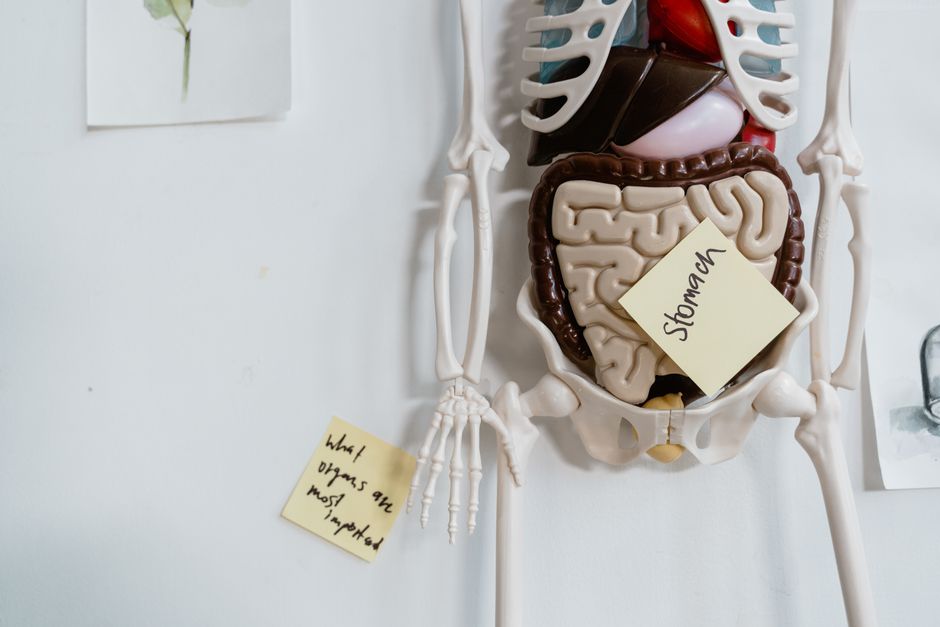
Your heart beats about 100,000 times a day. Your digestive system breaks down food into fuel. These two systems do not work separately. They depend on each other completely. The circulatory system carries nutrients from digested food to every cell in your body. Without blood flow, your digestive organs could not absorb nutrients. Without digestion, your blood would have nothing to deliver. They form a partnership that keeps you alive.
How Do the Circulatory and Digestive Systems Physically Connect?
The connection starts in your abdomen. The superior mesenteric artery is a major blood vessel that branches off your aorta. It delivers oxygen-rich blood directly to your stomach, small intestine, and most of your large intestine. The celiac artery supplies blood to your liver, spleen, and part of the stomach. Without these arteries, your digestive organs would starve for oxygen and stop working.
Blood leaves your digestive organs through veins. These veins merge into the portal vein, which carries blood to your liver. The liver processes nutrients before they reach your heart. After the liver does its work, blood flows through the hepatic vein into the inferior vena cava and back to your heart. Your heart then pumps this nutrient-rich blood to the rest of your body. This is not a loose connection. It is a precise pipeline.
What Happens to Blood Flow During Digestion?
After a meal, your body redirects blood flow. Research published in the American Journal of Physiology shows that blood flow to the mesenteric arteries increases by 30 to 50 percent within 30 minutes of eating. This is called postprandial hyperemia. Your digestive system needs extra oxygen and fluid to break down food and absorb nutrients.
Your body pulls blood away from skeletal muscles and skin to make this happen. That is why you feel sleepy after a large meal. Your brain is not getting less blood, but your muscles are. Some people report feeling lightheaded if they exercise right after eating. That is your body telling you it cannot fully support both digestion and physical activity at the same time. The redirecting of blood is temporary. It lasts about two to three hours depending on the size and composition of your meal.
Does Circulatory and Digestive System Work Together to Absorb Nutrients?
This is where the partnership becomes visible. The small intestine is lined with tiny finger-like projections called villi. Each villus contains a network of capillaries and a lymphatic vessel called a lacteal. After food is broken down into simple sugars, amino acids, and fatty acids, these molecules pass through the villi walls and enter the bloodstream.
Sugars and amino acids go directly into the capillaries. From there, they travel to the liver for processing. Fatty acids take a different route. They enter the lacteals first, then move through the lymphatic system before eventually entering the bloodstream near the heart. The CDC reports that the small intestine absorbs about 90 percent of the nutrients from food. Without a functioning circulatory system at the villi level, those nutrients would stay in your gut and pass out as waste.
One non-obvious detail is that the villi themselves need a constant supply of oxygen to do their job. If blood flow to the small intestine drops significantly, the villi can become damaged within minutes. This is why severe dehydration or shock can quickly lead to nutrient malabsorption.
-
 How Does Digestive and Excretory Work Together? What to Know
 -
How Does the Digestive System Work? Here’s What to Know
-
How Does the Digestive System Work with the Cardiovascular System?
-
What is the Digestive System Main Function? A Closer Look
-
Finessa Reviews & Complaints 2026: Helps In Gut & Digestion?



What Does Research Say About the Gut-Circulation Connection?
Studies have found that the health of your blood vessels directly affects your digestion. A 2019 study in the journal Nutrients found that people with atherosclerosis in their mesenteric arteries often had poor nutrient absorption even when their digestive tract appeared normal. The blood vessels were the bottleneck, not the gut itself.
Another area of research involves the gut microbiome. Your gut bacteria produce short-chain fatty acids when they ferment fiber. These fatty acids enter your bloodstream and help regulate blood pressure. The American Heart Association notes that these microbial byproducts can improve the flexibility of your arteries. So your digestive system does not just receive blood. It also sends chemical signals that help your circulatory system function better.
Evidence also indicates that chronic digestive issues like inflammatory bowel disease can increase inflammation throughout the blood vessels. A 2021 review in Circulation Research linked IBD to a higher risk of cardiovascular events. The two systems are so intertwined that problems in one often create problems in the other.
| Function | Digestive System Role | Circulatory System Role |
|---|---|---|
| Nutrient absorption | Breaks food into molecules | Carries molecules to cells |
| Oxygen delivery | Requires oxygen to function | Delivers oxygen to gut tissue |
| Waste removal | Produces carbon dioxide | Removes CO2 from digestive organs |
| Hormone transport | Releases digestive hormones | Carries hormones to target organs |
| Temperature regulation | Generates heat from digestion | Distributes heat throughout body |
What Happens When This Partnership Breaks Down?
When the circulatory system fails to deliver enough blood to the digestive tract, the results can be serious. Mesenteric ischemia is a condition where blood flow to the intestines is reduced or blocked. The American College of Gastroenterology warns that this can cause severe abdominal pain, bloody stools, and tissue death if not treated quickly. It is a medical emergency.
Heart failure also affects digestion. When the heart pumps weakly, blood backs up in the veins around the liver and intestines. This causes fluid to leak into the abdominal cavity, a condition called ascites. It also slows down digestion because the gut cannot get rid of waste products efficiently. Some people with heart failure lose their appetite or feel full after eating very little. This is not a stomach problem. It is a circulation problem.
On the digestive side, severe liver disease called cirrhosis can raise pressure in the portal vein. This is portal hypertension. It forces blood to find alternative routes around the liver, which can cause swollen veins in the esophagus called varices. These varices can burst and cause life-threatening bleeding. The liver sits at the center of the digestive-circulatory connection, and when it fails, both systems suffer.
Common Misconceptions About How These Systems Work Together
Many people think digestion is purely a stomach process. In reality, the small intestine does most of the work, and it depends entirely on blood flow. Another common belief is that drinking water with meals dilutes digestive enzymes and slows digestion. The evidence does not support this. Water actually helps the stomach break down food and keeps blood volume stable so the circulatory system can deliver nutrients efficiently.
Some people also believe that exercise immediately after eating is dangerous because blood will be diverted from the stomach. Moderate movement like walking after a meal can actually improve digestion by stimulating blood flow. Intense exercise is the issue, not movement itself. The key is understanding that both systems need adequate blood volume and healthy blood vessels to function properly.
What Are Practical Ways to Support Both Systems?
Stay hydrated. Your blood is about 55 percent water. When you are dehydrated, blood volume drops, and your body struggles to deliver oxygen and nutrients to your digestive organs. The National Academies of Sciences recommends about 3.7 liters of water per day for men and 2.7 liters for women from all sources including food.
Eat fiber-rich foods. Soluble fiber found in oats, beans, and apples helps regulate cholesterol levels. This keeps your arteries clear. Insoluble fiber found in vegetables and whole grains helps food move through your digestive tract. You get both benefits from the same meal.
- Include leafy greens for folate, which supports red blood cell production.
- Eat citrus fruits for vitamin C, which helps maintain blood vessel walls.
- Add beets or pomegranates, which some studies suggest support nitric oxide production for better blood flow.
- Limit saturated fats, which can narrow arteries and reduce blood delivery to the gut.
Exercise regularly. Aerobic activity strengthens your heart and improves the elasticity of your blood vessels. This means your digestive organs get a steady supply of oxygen even during digestion. The American Heart Association recommends at least 150 minutes of moderate exercise per week. That is about 20 minutes per day.
Frequently Asked Questions
How do the circulatory and digestive systems work together?
The digestive system breaks down food into nutrients, and the circulatory system carries those nutrients to cells throughout the body. Blood vessels also deliver oxygen to digestive organs so they can function.
What blood vessels supply the digestive organs?
The superior mesenteric artery and celiac artery deliver oxygen-rich blood to the stomach, intestines, and liver. The portal vein carries nutrient-rich blood from the digestive organs to the liver.
Can poor circulation cause digestive problems?
Yes, reduced blood flow to the intestines can cause abdominal pain, poor nutrient absorption, and tissue damage. Conditions like mesenteric ischemia and heart failure directly affect digestion.
How long after eating does blood flow increase to the digestive system?
Blood flow to the digestive organs increases by 30 to 50 percent within 30 minutes of eating. This elevated flow lasts about two to three hours depending on meal size.
