
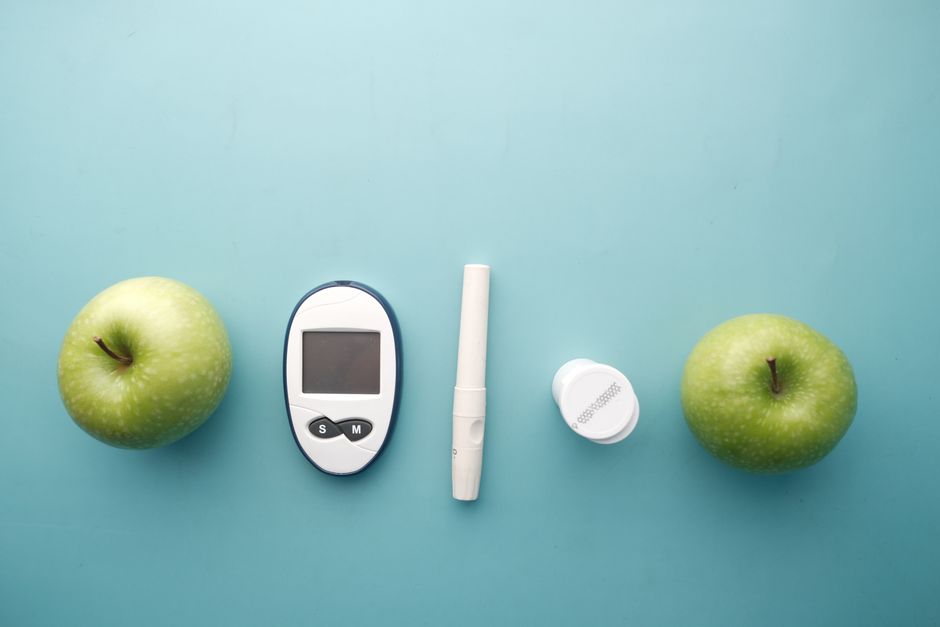
A blood sugar reading of 170 mg/dL is high, but whether it is dangerous depends entirely on when you tested it. If this was a fasting reading taken after 8 hours without food, 170 mg/dL is well above the normal range and falls into the diabetic range. If this was a reading taken one to two hours after a meal, it is still elevated but closer to the expected post-meal range for someone with diabetes. The context of the test matters more than the single number itself.
What Do Blood Sugar Numbers Actually Mean?
Blood sugar, also called blood glucose, is the main sugar found in your blood. It comes from the food you eat and is the body’s main source of energy. Your body regulates this sugar tightly using insulin, a hormone made by the pancreas.
For most healthy adults without diabetes, normal fasting blood sugar is between 70 and 99 mg/dL. After eating, blood sugar rises but typically stays below 140 mg/dL even at its peak. These are well-established clinical ranges that doctors use to evaluate glucose metabolism.
A single reading of 170 mg/dL does not diagnose diabetes on its own. But it is a signal that something may be off with how your body processes sugar. Doctors generally use multiple tests and readings over time before making a diagnosis.
Is A Blood Sugar Level Of 170 Mg Dl High Depending On When You Tested?
The timing of your test changes the interpretation completely. A fasting reading of 170 mg/dL is clearly elevated. The American Diabetes Association considers a fasting glucose of 126 mg/dL or higher on two separate occasions to be diagnostic of diabetes.
A post-meal reading of 170 mg/dL is also high, though less alarming. After eating, blood sugar normally peaks within one to two hours. In people without diabetes, that peak rarely exceeds 180 mg/dL and usually stays below 140. In people with well-managed diabetes, a post-meal reading under 180 mg/dL is often considered acceptable.
If your 170 mg/dL reading was random — meaning you tested at an arbitrary time of day without tracking food intake — it is still elevated. A random blood sugar of 200 mg/dL or higher combined with symptoms of high blood sugar suggests diabetes, according to standard clinical criteria.
What Causes Blood Sugar To Rise To 170 Mg Dl?
Several factors can push blood sugar into this range. The most obvious is food. Carbohydrates break down into glucose during digestion, and large or carb-heavy meals cause bigger spikes. Sugary drinks and refined carbohydrates like white bread or pastries raise blood sugar faster than foods with fiber, protein, or fat.
Other factors also play a role. Stress triggers the release of hormones like cortisol and adrenaline, which signal the liver to release stored glucose. Illness and infection can raise blood sugar as part of the body’s inflammatory response. Lack of sleep impairs insulin sensitivity, meaning your cells respond less effectively to insulin and glucose stays in the bloodstream longer.
Physical inactivity is another contributor. Regular muscle contraction helps cells take up glucose without requiring as much insulin. Sedentary people tend to have higher post-meal blood sugar readings than active people with otherwise similar diets.





What Does A 170 Mg Dl Reading Mean For Someone With Diabetes?
For someone already diagnosed with diabetes, 170 mg/dL is a common reading that requires management but is not an emergency. Most diabetes care plans target a fasting glucose between 80 and 130 mg/dL and a post-meal glucose under 180 mg/dL. A reading of 170 fits within that post-meal target for many people.
However, frequent readings of 170 mg/dL or higher may indicate that current treatment is not working well enough. Consistently elevated blood sugar damages blood vessels over time. This damage contributes to complications like neuropathy, kidney disease, and vision problems. The danger of high blood sugar is cumulative — it is about patterns over months and years, not single readings.
If you take insulin or certain oral diabetes medications, a reading of 170 mg/dL is not dangerous in the moment. The immediate danger comes from very high readings, typically above 240 mg/dL, which increase the risk of diabetic ketoacidosis in type 1 diabetes. That condition requires urgent medical attention.
What Should You Do After A High Reading?
One high reading is not a reason to panic. It is a reason to pay attention. If you do not have diabetes, a single 170 mg/dL reading warrants a conversation with your doctor. They may recommend a fasting glucose test or an A1C test, which measures your average blood sugar over the past two to three months.
If you have diabetes and see 170 mg/dL often, review your patterns. Look at what you ate, when you tested, and what medications you took. Some people find that testing at consistent times each day reveals patterns that help them and their care team adjust treatment.
Simple actions can help lower future readings. Drinking water helps your kidneys flush excess glucose through urine. Walking after a meal helps muscles take up glucose from the blood. These are not treatments for diabetes, but they are reasonable habits that support healthy glucose levels.
When Is 170 Mg Dl An Emergency?
A blood sugar of 170 mg/dL is not an emergency on its own. Emergency situations arise when blood sugar gets much higher or when high blood sugar is accompanied by certain symptoms. Readings above 240 mg/dL combined with ketones in the urine require urgent care for people with type 1 diabetes.
Seek medical attention if you have high blood sugar along with symptoms like extreme thirst, frequent urination, dry mouth, nausea, abdominal pain, confusion, or fruity-smelling breath. These can indicate ketoacidosis, a serious condition where acids build up in the blood. Ketoacidosis is a medical emergency that requires hospital treatment.
Also seek care if you cannot keep fluids down, if you are vomiting, or if your blood sugar keeps climbing despite taking your medications as prescribed. These situations need professional evaluation, not home management.
How Does A 170 Mg Dl Reading Compare To Other Ranges?
Understanding where 170 mg/dL sits on the blood sugar spectrum helps clarify its significance. The table below shows standard clinical ranges for blood glucose.
| Test Type | Normal Range | Prediabetes Range | Diabetes Range |
|---|---|---|---|
| Fasting glucose | 70–99 mg/dL | 100–125 mg/dL | 126 mg/dL or higher |
| Post-meal (1–2 hours) | Below 140 mg/dL | 140–199 mg/dL | 200 mg/dL or higher |
| A1C (3-month average) | Below 5.7% | 5.7%–6.4% | 6.5% or higher |
A fasting reading of 170 mg/dL clearly falls in the diabetes range. A post-meal reading of 170 mg/dL falls in the prediabetes range for someone without a diabetes diagnosis. This distinction matters because it changes what your doctor will recommend.
Frequently Asked Questions
Is 170 mg/dL blood sugar dangerous?
A single reading of 170 mg/dL is not immediately dangerous, but it is elevated and should be discussed with a doctor. Consistently high readings over time increase the risk of diabetes complications.
What is a normal blood sugar level after eating?
In people without diabetes, blood sugar typically stays below 140 mg/dL even after a meal. Readings above 180 mg/dL two hours after eating are considered high.
Can drinking water lower blood sugar quickly?
Drinking water helps your kidneys remove excess glucose through urine, which can modestly lower blood sugar. Water is not a treatment for high blood sugar but supports normal kidney function.
Should I see a doctor for a 170 mg/dL blood sugar reading?
Yes, especially if you do not have a diabetes diagnosis or if this reading is not unusual for you. A doctor can order proper tests to determine whether you have prediabetes, diabetes, or another glucose metabolism issue.
