
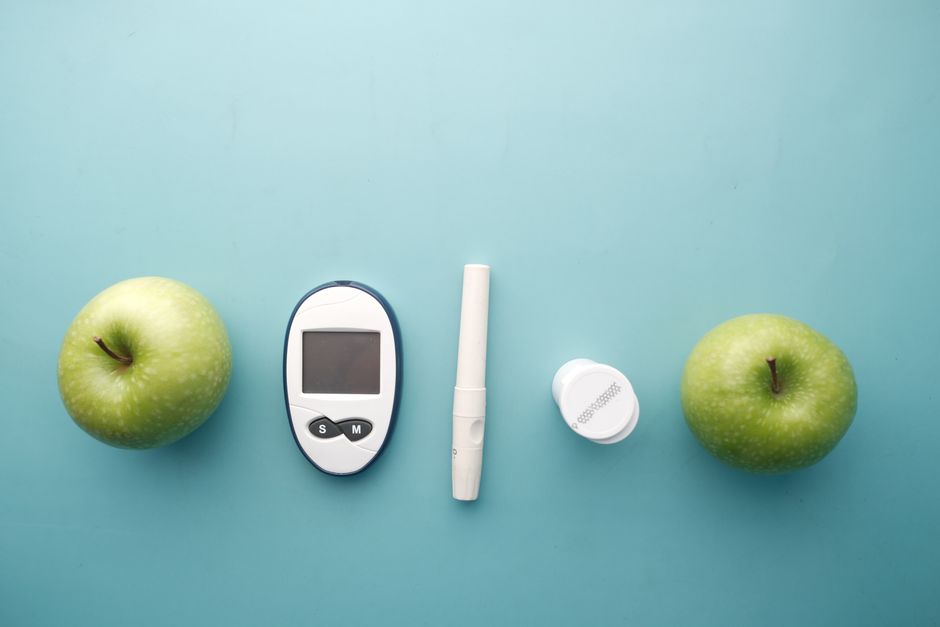
A good blood sugar level for a person without diabetes is below 100 mg/dL after fasting and below 140 mg/dL two hours after a meal. For most adults with diabetes, the American Diabetes Association recommends a fasting level between 80 and 130 mg/dL and a post-meal level below 180 mg/dL. The hemoglobin A1C test, which measures average blood sugar over three months, should be below 5.7% for normal and below 7% for many people with diabetes.
What Is Good Sugar Level In Blood? Explained
A good sugar level in blood means your body has enough glucose for energy without having too much that can damage blood vessels and organs. Your body tightly controls blood glucose using insulin and other hormones. When this system works correctly, your blood sugar stays within a healthy range whether you have just eaten or have not eaten for hours.
For someone without diabetes, a normal fasting blood sugar is between 70 and 100 mg/dL. After eating, blood sugar rises but usually stays below 140 mg/dL and returns to baseline within two to three hours. An A1C result below 5.7% indicates normal glucose regulation over the previous three months.
For someone with diabetes, the definition of “good” shifts to target ranges set by medical guidelines. A fasting glucose between 80 and 130 mg/dL and a two-hour post-meal glucose below 180 mg/dL are common targets. The A1C goal for many adults with diabetes is less than 7%. These numbers reduce the risk of long-term complications from chronically high blood sugar.
What Is Normal Blood Sugar?
Normal blood sugar is defined based on how long it has been since you last ate. The two main measures are fasting blood glucose and postprandial (after meal) glucose.
| Timing | Normal Range (mg/dL) |
|---|---|
| Fasting (8+ hours without food) | 70–100 |
| 1–2 hours after a meal | Less than 140 |
| Random (anytime) | Less than 140 (if no diabetes) |
Levels consistently above these ranges may indicate prediabetes or diabetes. A fasting glucose of 100–125 mg/dL is considered prediabetes, and 126 mg/dL or higher on two separate tests indicates diabetes. Similarly, a two-hour post-meal level of 140–199 mg/dL is prediabetes, and 200 mg/dL or higher suggests diabetes.
What Is a Healthy A1C Level?
A1C, also called HbA1c or glycated hemoglobin, reflects your average blood sugar over the past two to three months. It is reported as a percentage. The higher your average blood sugar, the more sugar attaches to hemoglobin in your red blood cells.
| A1C Result | Meaning |
|---|---|
| Below 5.7% | Normal |
| 5.7%–6.4% | Prediabetes |
| 6.5% or higher | Diabetes |
For most people with diabetes, a target A1C below 7% is recommended by major health organizations. However, your doctor may set a different goal based on your age, other health conditions, and risk of hypoglycemia. An A1C above 7% increases the risk of diabetes complications such as nerve damage, kidney disease, and vision problems.




How Do Blood Sugar Levels Change During the Day?
Blood sugar naturally rises after you eat and falls slowly as your body uses glucose for energy. Even in someone without diabetes, levels go up and down throughout the day. Fasting levels are lowest in the morning after a night without food. After meals, glucose can peak at one hour and then decline.
Several things affect these changes: what you eat, how much you eat, your activity level, stress, illness, and medications. Carbohydrate-rich foods cause the biggest rises. Protein and fat slow down digestion and can blunt the spike. Exercise helps muscles take up glucose, which lowers blood sugar both during and after activity.
In people with diabetes, these daily swings can be larger and last longer. That is why checking blood sugar at specific times can help identify patterns and adjust treatment.
What Blood Sugar Level Is Too High?
Blood sugar is considered too high when it goes above healthy ranges. For someone without diabetes, a fasting level above 100 mg/dL or a post-meal level above 140 mg/dL is abnormal. For someone with diabetes, levels above the agreed targets — typically above 180 mg/dL after meals or above 130 mg/dL fasting — are elevated.
Chronic high blood sugar is called hyperglycemia. Symptoms include frequent urination, increased thirst, blurred vision, and fatigue. Very high levels, over 250 mg/dL, can lead to serious complications like diabetic ketoacidosis (in type 1 diabetes) or hyperosmolar hyperglycemic state (in type 2 diabetes). If you have diabetes and your blood sugar stays above 240 mg/dL for more than 24 hours, call your doctor.
What Blood Sugar Level Is Too Low?
Low blood sugar, or hypoglycemia, is generally defined as a level below 70 mg/dL. This can happen in people with diabetes who take insulin or certain oral medications. It can also occur rarely in people without diabetes due to fasting, heavy alcohol use, or certain medical conditions.
Symptoms of hypoglycemia include shakiness, sweating, confusion, irritability, and rapid heartbeat. Severe hypoglycemia (below 54 mg/dL) can cause unconsciousness and requires immediate treatment. If you have diabetes and your blood sugar drops below 70 mg/dL, eat or drink 15 grams of fast-acting carbohydrate (such as glucose tablets, fruit juice, or regular soda) and recheck after 15 minutes.
How to Check Your Blood Sugar at Home
You can measure your blood sugar with a glucose meter or a continuous glucose monitor (CGM). Both use a small drop of blood from a fingerstick. Fasting tests are usually done first thing in the morning before eating. Post-meal tests are typically taken one to two hours after the start of a meal.
For people with diabetes, checking at different times helps understand how food, activity, and medications affect glucose. Your doctor will tell you how often and when to test. Keeping a log of readings can help guide treatment decisions. If you do not have diabetes and are concerned about your levels, a simple blood test at your doctor’s office can check fasting glucose and A1C.
Frequently Asked Questions
What is a good sugar level in blood for a diabetic person?
For most adults with diabetes, a good fasting level is between 80 and 130 mg/dL, and a post-meal level below 180 mg/dL. An A1C below 7% is commonly targeted, but individual goals may vary based on your health.
Is blood sugar of 200 normal after eating?
No, a blood sugar of 200 mg/dL two hours after eating is above normal. It may indicate diabetes or prediabetes and should be discussed with your doctor.
What is the best time to check blood sugar?
The best times are fasting in the morning and two hours after the start of a meal. People with diabetes may also check before meals, before bed, and when symptoms of high or low blood sugar occur.
Can stress cause high blood sugar?
Yes, stress triggers the release of hormones like cortisol that raise blood sugar. Both physical and emotional stress can cause temporary increases, especially in people with diabetes.
