
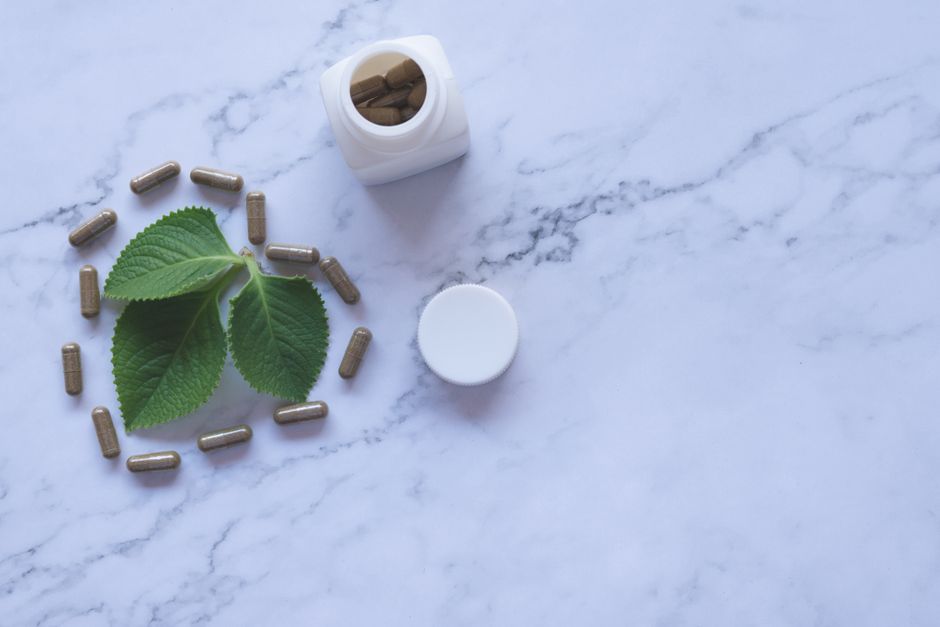
Gymnema extract works for blood sugar control by blocking sugar receptors on your tongue and in your intestines, which reduces sugar cravings and slows glucose absorption into your bloodstream. The active compounds, called gymnemic acids, have a molecular structure similar to glucose molecules. They fill sugar receptor sites in your taste buds and intestinal lining, preventing actual sugar from binding there. This dual action — less sugar intake and slower sugar entry — helps keep blood glucose levels more stable after meals.
What Is Gymnema Sylvestre and How Does It Affect Blood Sugar?
Gymnema sylvestre is a woody climbing plant native to India and Africa. Its leaves have been used in Ayurvedic medicine for over 2,000 years. The Hindi name for the plant is “gurmar,” which translates to “sugar destroyer.”
The leaves contain gymnemic acids, which are the key compounds responsible for blood sugar effects. These acids work in two main places. First, in your mouth, they temporarily block sweet taste receptors. This makes sweet foods taste less appealing. Second, in your small intestine, they bind to glucose receptors and prevent some sugar from being absorbed into your blood.
Research published in the Journal of Clinical Biochemistry and Nutrition found that gymnema extract reduced the rise in blood sugar after a carbohydrate meal by about 30 percent in healthy adults. The effect starts within minutes and lasts for one to two hours after taking the extract.
How Gymnema Extract Works For Blood Sugar Control in the Body
The mechanism is more specific than most people realize. Gymnemic acids do not lower blood sugar directly like insulin does. Instead, they interfere with the process of sugar entering your system.
When you eat carbohydrates, your digestive system breaks them down into simple sugars like glucose. These glucose molecules normally pass through your intestinal wall and into your bloodstream. Gymnemic acids sit in the same receptor sites on your intestinal cells that glucose would normally use. This competition means less glucose gets through.
There is also evidence that gymnema extract may help your pancreas produce more insulin. A study in the Journal of Ethnopharmacology showed that gymnema extract increased insulin secretion from pancreatic beta cells in animal models. Human studies are less consistent on this point, so the effect on insulin production is still debated.
The overall result is a lower and slower blood sugar spike after eating. For someone with prediabetes or type 2 diabetes, this can mean better daily blood sugar control without needing as much medication.
What Does Clinical Research Say About Gymnema for Blood Sugar?
Several human studies have looked at gymnema extract for blood sugar control. The results are promising but not overwhelming.
A 12-month study published in Diabetes Care followed 65 people with type 2 diabetes. Participants took 400 milligrams of gymnema extract daily along with their regular diabetes medications. By the end of the study, their fasting blood sugar had dropped by an average of 35 points. Their HbA1c — a measure of average blood sugar over three months — decreased from 11.9 to 8.5 percent. The researchers also noted that 21 percent of participants were able to reduce their diabetes medication dosage.
Another study in the Journal of Ayurveda and Integrative Medicine gave gymnema extract to 20 people with type 1 diabetes. After six to eight months, their fasting blood sugar dropped by about 20 percent. However, this was a small study with no control group, so the results should be viewed cautiously.
Most studies use standardized extracts containing 25 percent gymnemic acids. Typical doses range from 200 to 600 milligrams per day, taken before meals. The strongest evidence supports using gymnema as an add-on to standard diabetes care, not as a replacement.




How Does Gymnema Compare to Other Blood Sugar Supplements?
| Supplement | Primary Mechanism | Evidence Strength | Typical Dose |
|---|---|---|---|
| Gymnema sylvestre | Blocks sugar absorption, reduces cravings | Moderate — several small human studies | 200-600 mg before meals |
| Berberine | Activates AMPK enzyme, improves insulin sensitivity | Strong — many human trials | 500 mg 2-3 times daily |
| Chromium picolinate | Enhances insulin action | Mixed — some studies show benefit, others do not | 200-1000 mcg daily |
| Cinnamon extract | Slows carbohydrate digestion | Weak to moderate — inconsistent results | 1-6 grams daily |
| Alpha-lipoic acid | Antioxidant, improves insulin sensitivity | Moderate — better for neuropathy than blood sugar | 300-600 mg daily |
Gymnema is unique among these because it directly reduces sugar absorption rather than improving how your body uses sugar after it enters the blood. This makes it a good option for people who struggle with sugar cravings or who eat high-carbohydrate meals.
Berberine has stronger overall evidence for lowering fasting blood sugar and HbA1c. But gymnema has a better safety profile and fewer drug interactions. Some people use both together, though no studies have tested this combination.
What Are the Side Effects and Risks of Gymnema Extract?
Gymnema is generally well-tolerated. The most common side effects are mild digestive issues like nausea, stomach upset, or loose stools. These usually go away within a few days of starting the supplement.
Some people report a lingering bitter taste in their mouth. This is from the gymnemic acids themselves and is not harmful.
The main risk is hypoglycemia, or blood sugar dropping too low. This happens when gymnema is taken alongside diabetes medications that also lower blood sugar. If you take insulin or sulfonylureas like glipizide or glyburide, you need to monitor your blood sugar closely when starting gymnema. Your doctor may need to adjust your medication dose.
As of 2026, there is no clinical evidence that gymnema is safe during pregnancy or breastfeeding. Avoid it if you are pregnant, planning to become pregnant, or nursing.
People with liver or kidney disease should also be cautious. The safety of long-term use beyond 12 months has not been studied in humans.
How to Choose and Use Gymnema Extract Safely
Look for a standardized extract that guarantees 25 percent gymnemic acids. This is the concentration used in most clinical studies. The product should be tested by a third party like USP, NSF, or ConsumerLab for purity and potency.
Take gymnema 15 to 30 minutes before a meal. This timing allows the gymnemic acids to reach your intestinal receptors before the sugar from your food arrives. The typical starting dose is 200 milligrams before your largest meal. You can increase to 400 to 600 milligrams before each meal if needed.
Do not take gymnema on an empty stomach if you are already on diabetes medication. Take it with food to reduce the risk of low blood sugar.
Keep a log of your blood sugar readings for the first two weeks. Write down your numbers before and after meals. This will tell you whether the supplement is making a real difference for your specific body.
Stop taking gymnema at least two weeks before any scheduled surgery. It can affect blood sugar control during and after the procedure.
Common misconceptions about gymnema include the idea that it cures diabetes or replaces insulin. It does neither. It is a supportive tool, not a cure. Some people also believe that taking more than the recommended dose gives better results. This is not supported by evidence and increases the risk of side effects.
Avoid products that combine gymnema with other herbs in proprietary blends where the individual doses are not listed. You need to know exactly how much gymnema you are taking to use it safely and effectively.
Frequently Asked Questions
How long does it take for gymnema to lower blood sugar?
Gymnema starts working within 30 to 60 minutes after taking it and the effect lasts for one to two hours. Consistent daily use for two to three months is needed to see changes in fasting blood sugar or HbA1c.
Can gymnema reverse type 2 diabetes?
No, gymnema cannot reverse type 2 diabetes. It can help lower blood sugar levels and reduce medication needs in some people, but it is not a cure.
Is gymnema safe to take with metformin?
Yes, gymnema is generally safe to take with metformin. However, monitor your blood sugar closely because the combination can cause hypoglycemia in some people.
Does gymnema help with weight loss?
Some people report weight loss from gymnema because it reduces sugar cravings. Strong clinical evidence for weight loss is limited, but reduced sugar intake can lead to modest weight loss over time.
