
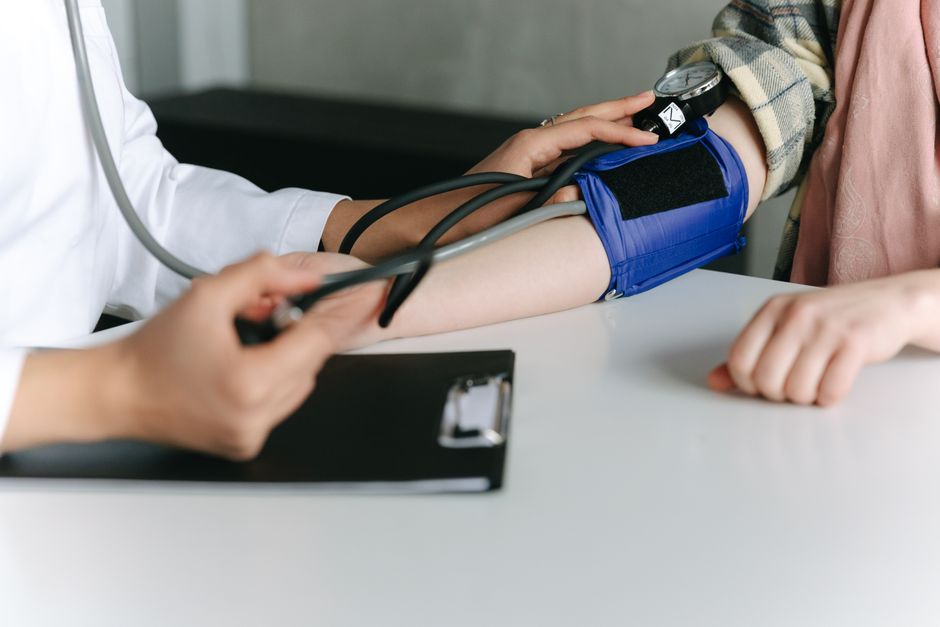
High blood pressure usually develops slowly over years, and most people who have it never feel a thing. It happens when the forces that regulate your blood flow gradually push harder against your artery walls. Genetics, age, salt intake, weight, alcohol, stress, and certain medical conditions all play a role. Often, several of these stack up together. That is why doctors call it a “silent” condition — the damage builds quietly, long before any symptom shows up.
What Actually Happens Inside Your Body When Blood Pressure Rises
Blood pressure is the force of blood pushing against the walls of your arteries. Two numbers describe it. The top number (systolic) is the pressure when your heart beats. The bottom number (diastolic) is the pressure between beats.
A reading below 120/80 mm Hg is considered normal. Readings consistently at or above 130/80 mm Hg are generally classified as high blood pressure in US clinical guidelines. The threshold has shifted over the decades as evidence accumulated about cardiovascular risk at lower numbers.
Your body has several systems that keep blood pressure in a workable range. The kidneys control how much fluid and sodium you retain. Your blood vessels widen and narrow to adjust flow. Hormones like renin, angiotensin, and aldosterone fine-tune the whole process. When any of these systems get out of balance — or when they are pushed hard enough for long enough — pressure creeps up.
Here is something that surprises many people: in most cases, there is no single broken part. It is a slow drift. The arteries stiffen with age, the kidneys hold onto more sodium than they should, and the nervous system stays slightly more activated than it needs to be. No dramatic event. Just a gradual shift.
How Do You Get High Blood Pressure? Causes And Risks
Roughly 9 in 10 cases of high blood pressure have no single identifiable cause. Doctors call this primary (essential) hypertension. It emerges from a mix of genetics, lifestyle, and aging. The remaining cases have a specific underlying condition — that is called secondary hypertension.
Risk factors do not guarantee you will develop it. They raise the odds. And the more of them you have, the more they tend to compound.
Factors You Cannot Change
- Age. Blood pressure tends to rise with age as arteries lose elasticity. Risk climbs notably after 45 for men and after 65 for women, though the pattern is shifting as more younger adults develop it.
- Family history. If a parent or sibling has high blood pressure, your risk is higher. Researchers have identified many gene variants that each contribute a small amount.
- Race and ethnicity. In the US, high blood pressure tends to develop earlier and more severely in Black adults. The reasons involve genetics, social and environmental factors, and access to care — not any single cause.
- Chronic kidney disease. The kidneys are central to blood pressure control. When they are damaged, pressure often rises.
Factors Tied to Lifestyle
- Too much sodium. Excess sodium makes your body hold extra fluid, which raises pressure. The effect varies from person to person — some people are more sodium-sensitive than others.
- Not enough potassium. Potassium helps your body flush sodium. Diets low in potassium-rich foods like beans, bananas, and leafy greens can work against you.
- Drinking too much alcohol. Regular heavy drinking raises blood pressure over time. The relationship is dose-dependent.
- Low physical activity. Sedentary living is linked to higher blood pressure and worse arterial health.
- Being overweight or obese. Extra weight means your heart works harder to push blood through more tissue. This is one of the strongest modifiable risk factors.
- Smoking and tobacco use. Smoking damages blood vessel walls and temporarily spikes pressure with each use. Over time, it contributes to lasting hypertension.
- Chronic stress. Stress itself may not directly cause hypertension, but it drives behaviors — poor sleep, overeating, drinking — that do.
- Poor sleep. Ongoing sleep deprivation and conditions like sleep apnea are strongly associated with high blood pressure.
Medical Conditions That Can Cause It
When high blood pressure has a specific cause, it is called secondary hypertension. These cases are less common but important to identify because treating the underlying condition can sometimes resolve the pressure problem.
- Sleep apnea. Repeated pauses in breathing during sleep trigger stress hormones and oxygen dips that raise blood pressure.
- Kidney disease. Damaged kidneys struggle to regulate fluid and sodium balance.
- Adrenal gland disorders. Conditions like primary aldosteronism cause the body to retain sodium and lose potassium, pushing pressure up.
- Thyroid problems. Both an overactive and underactive thyroid can affect blood pressure.
- Certain medications. Some decongestants, NSAIDs, birth control pills, and other drugs can raise blood pressure as a side effect.
What Raises Your Risk That Most People Do Not Think About
The usual suspects get all the attention. But several less obvious factors matter too.
Social and economic stress. Living with chronic financial insecurity, discrimination, or unsafe housing keeps the body’s stress response switched on. Research consistently links these conditions to higher rates of hypertension, and they may help explain some of the disparities seen across different populations.
Loneliness and social isolation. Some studies suggest that people with fewer social connections tend to have higher blood pressure, though the relationship is not fully understood.
Certain pain relievers. Regular use of NSAIDs — ibuprofen and naproxen, for example — can raise blood pressure, especially in people already at risk. This is a conversation worth having with your doctor if you take them often.
Pregnancy. Some people develop high blood pressure during pregnancy, including a condition called preeclampsia. This requires close medical monitoring. It is not a lifestyle issue — it is a medical one.

How Do You Know If You Have It?
You usually do not. High blood pressure typically causes no symptoms until it is severe or has already damaged organs. That is the core problem.
Some people with very high readings report headaches, nosebleeds, or shortness of breath. But these symptoms are not reliable indicators, and most people with hypertension feel completely normal. The only way to know is to measure it.
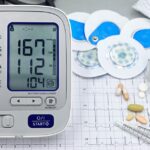
A single high reading does not mean you have hypertension. Blood pressure fluctuates throughout the day. Diagnosis generally requires multiple elevated readings on separate occasions, or the use of at-home monitoring or a 24-hour ambulatory monitor.
If you are an adult, checking your blood pressure at least once a year is a reasonable baseline. If your readings have been creeping up, or you have several risk factors, more frequent checks make sense.
Can You Prevent High Blood Pressure?
You cannot control your age or your genes. But the lifestyle factors carry substantial weight, and modifying them can lower risk meaningfully.
What the evidence supports:
- Reducing sodium intake — most guidelines suggest staying under 2,300 mg per day, with further benefit at 1,500 mg for people at higher risk
- Eating more potassium-rich foods, unless your doctor has told you to limit potassium for kidney reasons
- Getting regular physical activity — even walking helps
- Maintaining a healthy weight
- Limiting alcohol
- Not smoking
- Getting enough sleep and addressing sleep apnea if present
These steps do not guarantee you will avoid hypertension. Genetics and aging still play their part. But they shift the odds in your favor, and for many people they are enough to delay or reduce the need for medication.
The Bottom Line on Causes and Risks
High blood pressure is rarely caused by one thing. It is the result of many small forces — some you inherit, some you live with, and some you choose — pushing in the same direction over years. The most important thing you can do is know your numbers. You cannot manage what you never measure.
Frequently Asked Questions
Can you have high blood pressure without any symptoms?
Yes. Most people with high blood pressure feel completely normal, which is why it is often called a silent condition. The only reliable way to know your blood pressure is to measure it.
What is the main cause of high blood pressure?
In about 9 out of 10 cases, there is no single cause — it develops from a combination of genetics, age, and lifestyle factors over time. A smaller number of cases are caused by an underlying condition like kidney disease or sleep apnea.
Does stress cause high blood pressure?
Stress can temporarily raise blood pressure, but whether it directly causes long-term hypertension is not fully settled. What is clearer is that stress often leads to behaviors — poor sleep, heavy drinking, overeating — that do raise blood pressure over time.
At what age does high blood pressure usually start?
Risk rises with age, and it becomes more common after 45 in men and after 65 in women. However, high blood pressure is increasingly diagnosed in younger adults, so age alone is not a reliable guide.
