
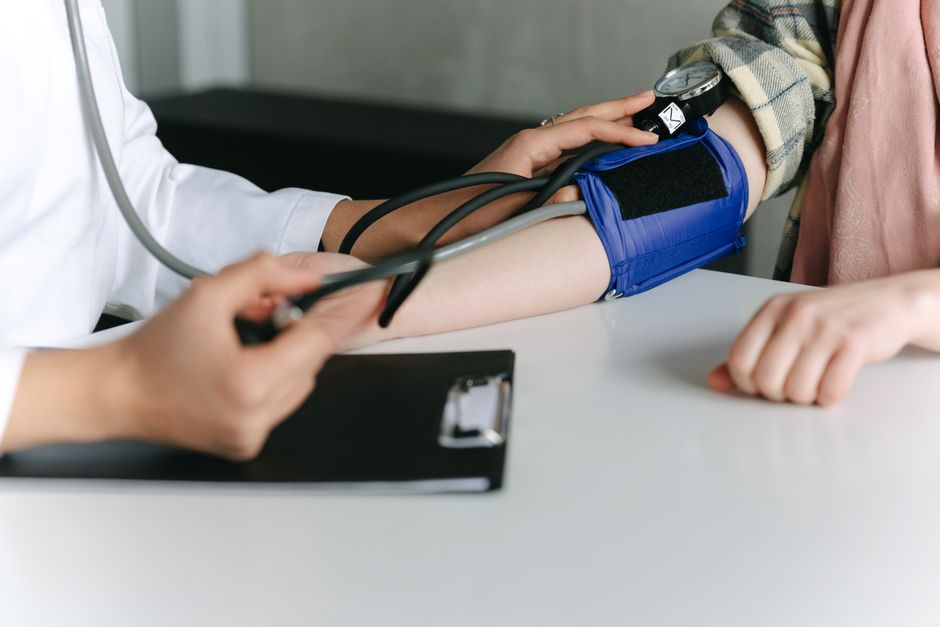
If you feel dizzy or lightheaded from low blood pressure, the fastest way to bring it up is to lie down and raise your legs above heart level, drink 16 to 20 ounces of water, and eat something salty. These steps can raise blood pressure within minutes to an hour. But before you treat low blood pressure at home, you need to know whether your reading is actually low and whether it is causing symptoms.
Blood pressure is measured in millimeters of mercury (mm Hg). A normal reading is generally below 120/80 mm Hg. Low blood pressure, called hypotension, is usually defined as below 90/60 mm Hg. But here is the part many people miss: a low number alone is not a problem. Many healthy people live at 90/60 or even lower with no symptoms at all. Low blood pressure only matters when it causes symptoms or signals an underlying condition.
What Counts as Low Blood Pressure?
A blood pressure reading below 90/60 mm Hg is generally considered low. The top number (systolic) measures pressure when your heart beats. The bottom number (diastolic) measures pressure between beats.
Numbers alone do not tell the full story. Some people naturally run low and feel fine. Others feel dizzy and weak at 100/65 because their normal is higher. The key question is not “how low is it” but “is it causing problems.”
Symptoms that suggest low blood pressure needs attention include:
- Dizziness or lightheadedness, especially when standing up
- Fainting or near-fainting
- Blurred or fading vision
- Fatigue or weakness
- Nausea
- Difficulty concentrating
- Cold, clammy, pale skin
- Rapid or shallow breathing
If you have these symptoms along with a low reading, the steps below may help. If you have no symptoms, there is usually nothing to treat.
How Do I Get My Blood Pressure Up Fast?
The quickest at-home steps combine body position, fluids, and salt. These work best for mild drops caused by dehydration, standing too long, or skipping meals.
Lie down and raise your legs. Lie on your back and prop your legs on pillows or a chair so they are above the level of your heart. Gravity pulls blood from your legs back toward your heart and brain. This can ease dizziness within a few minutes.
Drink water quickly. Drinking 16 to 20 ounces of water can raise blood pressure within 15 to 30 minutes. This effect is strongest if you are dehydrated. Water expands blood volume, which supports pressure.
Eat something salty. Sodium helps your body hold onto water, which increases blood volume. A salty snack or a cup of broth can help. This is a short-term fix, not a daily habit.
Cross your legs and squeeze. If you cannot lie down, crossing your legs and tensing your leg, thigh, and buttock muscles can push blood upward. Some people use this to avoid fainting when they feel a drop coming on.
Drink a caffeinated beverage. Caffeine can cause a brief rise in blood pressure. The effect is small and short-lived. It is not a reliable treatment for serious drops.
These steps help with mild, temporary dips. They do not fix low blood pressure caused by medication, heart problems, or blood loss. If symptoms are severe or do not improve, get medical help.
When Is Low Blood Pressure an Emergency?
Some drops in blood pressure are medical emergencies. Call 911 or get emergency care right away if you have:
- Fainting or loss of consciousness
- Chest pain
- Severe shortness of breath
- Confusion or trouble speaking
- Weak, rapid pulse
- Cold, pale, or bluish skin
- Blood pressure that stays very low after treatment
These signs can point to shock, a heart problem, severe dehydration, or major blood loss. Shock is a life-threatening condition where organs do not get enough blood. Do not try to treat it at home.
If you take blood pressure medication and your reading drops very low with symptoms, do not skip or change your dose on your own. Call your doctor or a pharmacist for guidance.

What Causes Low Blood Pressure?
Low blood pressure has many possible causes. Finding the cause matters more than treating the number.
Dehydration is one of the most common. Not drinking enough fluids, vomiting, diarrhea, or heavy sweating all reduce blood volume.
Medications are a frequent cause. Drugs for high blood pressure, heart conditions, depression, Parkinson’s disease, and erectile dysfunction can all lower pressure. Diuretics (water pills) are a common culprit.
Standing up quickly can cause a drop called orthostatic hypotension. This happens when blood pools in your legs and your body does not adjust fast enough. It is more common in older adults.
Eating a large meal can cause postprandial hypotension, a drop that happens one to two hours after eating. It is more common in older adults.
Heart problems such as a very slow heart rate, heart valve disease, or heart failure can lower pressure.
Endocrine problems like thyroid disease, adrenal insufficiency, or low blood sugar can play a role.
Severe infection, allergic reaction, or blood loss can cause dangerous drops. These need emergency care.
Pregnancy often lowers blood pressure because blood vessels widen. This is usually normal and resolves after birth.
Some people have no clear cause. This is called chronic asymptomatic hypotension, and it usually needs no treatment.
What Foods and Drinks Raise Blood Pressure?
Foods high in sodium and fluids that expand blood volume can raise pressure in the short term. These are not cures. They are tools for managing symptoms under a doctor’s care.
- Salt and salty foods: Broth, pickles, olives, soy sauce, and salted crackers. Sodium helps the body retain water.
- Water: Plain water is the fastest way to add volume.
- Electrolyte drinks: These replace sodium and other minerals lost through sweat or illness.
- Caffeine: Coffee, tea, and some sodas can cause a brief rise.
- Small, frequent meals: Eating less at once can reduce post-meal drops.
For people with certain heart or kidney conditions, a high-salt diet can be dangerous. Do not increase salt without talking to your doctor first.
What Lifestyle Changes Help Low Blood Pressure?
If you have ongoing low blood pressure with symptoms, your doctor may suggest changes beyond quick fixes. These aim to keep pressure steadier through the day.
Drink more water. Aim for enough fluids to keep urine pale yellow. Your needs depend on your size, activity, and climate.
Eat smaller, more frequent meals. This can reduce drops after eating.
Rise slowly. Sit up before standing. Dangle your legs over the edge of the bed for a moment. This gives your body time to adjust.
Wear compression stockings. These squeeze the legs and help blood return to the heart. They can reduce pooling.
Avoid long periods of standing. If you must stand, shift your weight and flex your legs.
Limit alcohol. Alcohol can dehydrate you and lower pressure.
Some doctors recommend raising the head of the bed slightly for orthostatic hypotension. Others may prescribe medication in specific cases. These decisions depend on the cause and should come from your doctor.
Does Low Blood Pressure Need Treatment?
Most low blood pressure does not need treatment. If you feel fine, no action is needed. Treatment is only for people who have symptoms or a treatable underlying cause.
When treatment is needed, it usually starts with the steps above. If those are not enough, a doctor may adjust medications that lower pressure or prescribe drugs to raise it. These decisions are individual and based on the cause.
One thing worth knowing: treating a low number in someone with no symptoms can do more harm than good. The goal is to treat the person, not the reading.
Frequently Asked Questions
How can I raise my blood pressure quickly at home?
Lie down and raise your legs above heart level, drink 16 to 20 ounces of water, and eat something salty. These steps can help mild drops within minutes to an hour.
What is dangerously low blood pressure?
A reading below 90/60 mm Hg with symptoms like fainting, chest pain, or confusion needs emergency care. A low number without symptoms is often normal for some people.
Does drinking water raise blood pressure?
Yes, drinking water can raise blood pressure within 15 to 30 minutes, especially if you are dehydrated. The effect is strongest when your body needs fluids.
Should I eat more salt to raise my blood pressure?
Salt can help short-term, but do not increase it without talking to your doctor. A high-salt diet can be harmful for people with heart or kidney conditions.
