
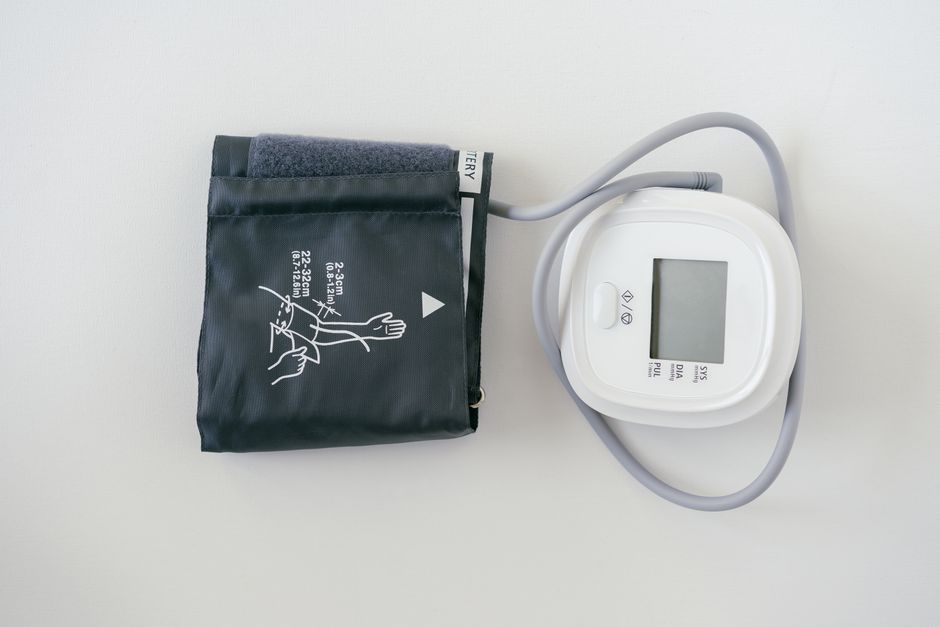
Low blood pressure is rarely dangerous, but it can be real and uncomfortable. Dizziness, fatigue, and lightheadedness are common signs. If you need to raise your blood pressure safely, the most effective approach is a combination of adding more salt to your diet, drinking more fluids, and wearing compression stockings. These steps help increase blood volume and improve circulation, which directly supports healthier blood pressure levels.
What Counts as Low Blood Pressure?
Doctors define low blood pressure, or hypotension, as a reading below 90/60 mmHg. The top number is your systolic pressure, the pressure in your arteries when your heart beats. The bottom number is your diastolic pressure, the pressure between beats.
For many people, a reading in this range causes no problems at all. Some healthy adults walk around at 85/55 and feel fine. The issue is not the number itself. It is how your body responds to it.
You need treatment only when low blood pressure causes symptoms. These include dizziness, fainting, blurred vision, nausea, fatigue, and trouble concentrating. If you have no symptoms, doctors usually recommend no treatment at all.
How Can You Raise Blood Pressure Safely?
The safest way to raise blood pressure depends on why it is low. Most cases of chronic low blood pressure come from low blood volume, poor circulation, or certain medications. Each cause needs a different approach.
For low blood volume, the fix is straightforward. Drink more water. Water increases blood volume, which raises pressure in your veins and arteries. Dehydration is one of the most common causes of low blood pressure, especially in older adults.
Increasing your salt intake also helps. Sodium pulls water into your bloodstream, increasing blood volume. This is the opposite of what you do for high blood pressure, which is why salt is usually restricted. If your pressure runs low, adding salt can be the right move.
Compression stockings are another effective tool. They squeeze your legs, which keeps blood from pooling in your lower body. This pushes more blood back toward your heart and brain, reducing dizziness when you stand up.
When Should You Add More Salt?
Extra salt is not for everyone. It can be harmful if you have heart failure, kidney disease, or fluid retention. It can also raise your pressure too much, turning low blood pressure into high blood pressure.
If your doctor approves, adding salt is simple. Use more table salt on your food. Eat salty snacks like pretzels or olives. Some doctors recommend salt tablets, but you should only use these under medical supervision.
There is no standard dose for extra salt. The right amount depends on your body, your blood pressure, and your overall health. Work with your doctor to find the level that works for you. Start small and check your blood pressure regularly to see how your body responds.
Can Fluids and Food Help Immediately?
Water and food can raise blood pressure within minutes. Drinking two glasses of water can increase blood pressure in healthy adults within about 15 minutes. The effect peaks around an hour and can last for up to two hours.
Small, frequent meals are better than large ones. After a big meal, blood rushes to your digestive system. This can cause blood pressure to drop, a condition called postprandial hypotension. Eating smaller meals more often avoids this dip.
Caffeine is a mixed story. It can cause a short-term spike in blood pressure, but the effect is temporary. Regular caffeine users often build a tolerance, so the effect fades. Some research suggests caffeine helps some people with low blood pressure, but it is not a reliable treatment.
What Is Orthostatic Hypotension and How Do You Manage It?
Orthostatic hypotension is a specific type of low blood pressure. It happens when you stand up and your blood pressure drops within a few minutes. You may feel dizzy, lightheaded, or like you might faint.
This happens because gravity pulls blood into your legs when you stand. Normally, your body quickly tightens blood vessels to push blood upward. In some people, this response is slow or weak.
Simple physical strategies can help. Stand up slowly from sitting or lying down. Before standing, pump your feet or squeeze your leg muscles a few times. This pushes blood out of your legs and gives your body a head start.
Raising the head of your bed by a few inches can also help. This reduces the pressure difference when you sit up in the morning. Some doctors recommend sleeping with extra pillows for the same reason.
Medication can cause orthostatic hypotension too. Blood pressure medications, antidepressants, and drugs for enlarged prostate are common culprits. If your symptoms started after a new prescription, talk to your doctor. Never stop a medication on your own.
When Is Low Blood Pressure an Emergency?
Most low blood pressure is not an emergency. But some situations require immediate medical attention. Sudden, severe drops in blood pressure can be life-threatening.
Go to an emergency room if you experience low blood pressure with any of these signs: confusion, cold and clammy skin, rapid shallow breathing, a weak rapid pulse, or fainting that lasts more than a few seconds. These can indicate shock, internal bleeding, a severe infection, or a heart problem.
Low blood pressure during pregnancy is common and usually harmless. But if you have heavy bleeding, severe abdominal pain, or fainting during pregnancy, seek medical care immediately.
What Does the Evidence Actually Show?
Research on raising low blood pressure is more limited than research on lowering high blood pressure. Most studies focus on specific groups, like older adults with orthostatic hypotension or people with certain medical conditions.
Some research suggests that increasing fluid intake and salt can help people with chronic low blood pressure. Compression stockings have solid evidence for reducing symptoms of orthostatic hypotension. These are the most established non-drug approaches.
Other remedies are less proven. Licorice root can raise blood pressure, but it can also cause dangerously low potassium levels. Some herbal supplements claim to support blood pressure, but few have been tested in rigorous clinical trials. Be cautious with anything that promises a quick fix.
No clinical guidelines currently exist for over-the-counter supplements to raise blood pressure. If a product claims to treat hypotension, that claim has not been confirmed by large human trials.
Lifestyle Habits That Keep Blood Pressure Stable
Consistency matters more than any single fix. Your body regulates blood pressure throughout the day, and small habits can support that system.
Stay hydrated throughout the day, not just when you feel dizzy. Carry a water bottle and sip regularly. In hot weather or after exercise, increase your intake to replace fluids lost through sweat.
Avoid alcohol, which can lower blood pressure and cause dehydration. If you drink, keep it modest and drink water alongside. Avoid standing still for long periods. If you must stand, shift your weight and move your legs frequently.
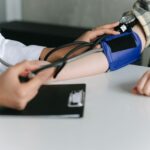
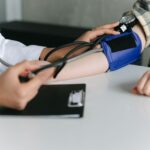
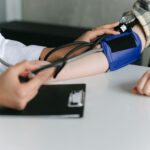
Check your blood pressure regularly if you have symptoms. Keep a log of your readings and note what you were doing when you took them. This information helps your doctor understand your pattern and adjust your treatment.
Medications for Low Blood Pressure
When lifestyle changes are not enough, doctors can prescribe medication. These are reserved for people with significant symptoms or dangerous drops in pressure.
Fludrocortisone is the most common medication for chronic low blood pressure. It helps your body retain salt and water, increasing blood volume. This drug requires monitoring because it can cause high blood pressure and low potassium levels.
Midodrine is another option. It tightens blood vessels, which raises blood pressure. It is usually reserved for severe cases because it can cause high blood pressure when lying down.
These medications are not first-line treatments. They come with side effects and require careful monitoring. Most people manage low blood pressure with fluids, salt, and physical strategies alone.
Frequently Asked Questions
Is low blood pressure dangerous?
Low blood pressure is only dangerous when it causes symptoms like fainting, confusion, or signs of shock. Many people have low blood pressure with no symptoms and need no treatment.
How much salt should I add to raise my blood pressure?
There is no standard dose because the right amount varies by person and health status. Start with small increases and monitor your blood pressure, working with your doctor to find the right level.
Can drinking water raise blood pressure quickly?
Yes, drinking two glasses of water can raise blood pressure within about 15 minutes in some people. The effect peaks around one hour and lasts up to two hours.
Should I take medication for low blood pressure?
Medication is only for people with significant symptoms or dangerous drops that do not respond to lifestyle changes. It requires medical supervision because it can cause high blood pressure and other side effects.
