
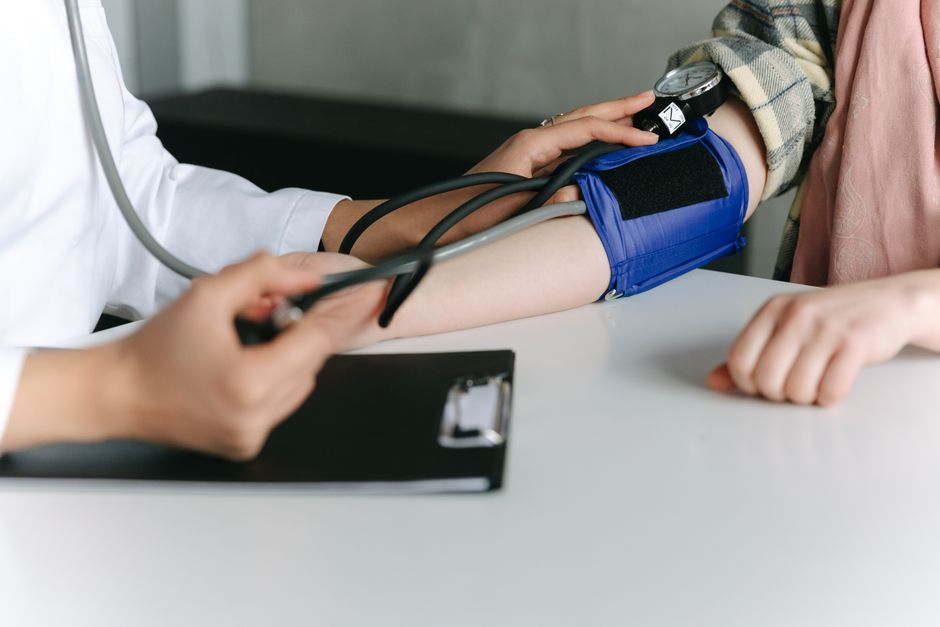
Low blood pressure, or hypotension, is not always a problem. Many people with naturally low readings feel fine and live long healthy lives. But when low blood pressure causes symptoms like dizziness, fainting, blurred vision, or fatigue, it can interfere with daily life and pose real risks. Raising blood pressure safely means focusing on proven causes and solutions, not random internet advice. The safest approach is to address the underlying cause, increase fluid and salt intake carefully, adjust medications if needed, and use physical counterpressure techniques. Always work with a doctor before making changes, especially if you take medication for high blood pressure or heart conditions.
What Is Considered Dangerously Low Blood Pressure?
Blood pressure is measured as two numbers. The top number is systolic pressure, the force when your heart beats. The bottom number is diastolic pressure, the force between beats. A normal reading is around 120/80 mm Hg. Most doctors consider blood pressure low when it falls below 90/60 mm Hg.
But the number alone does not tell the full story. The real concern is whether low pressure causes symptoms. The American Heart Association notes that hypotension is only a problem if it produces dizziness, fainting, dehydration, lack of concentration, blurred vision, nausea, cold clammy skin, rapid shallow breathing, or fatigue. If you have no symptoms and your pressure runs 85/55, you are likely fine. If you have symptoms at that same reading, you need to act.
A sudden drop in blood pressure can be dangerous. It may signal internal bleeding, a severe infection, a heart problem, or a serious allergic reaction. If you collapse or feel like you might, call 911 immediately. Do not try to raise your pressure at home in that situation.
What Actually Causes Low Blood Pressure?
Understanding the cause is the first step to raising it safely. Low blood pressure has several common triggers. Dehydration is one of the most frequent. When your body loses more water than it takes in, blood volume drops and pressure falls. Even mild dehydration can lower pressure enough to cause symptoms.
Medications are another major cause. Many drugs for high blood pressure, heart failure, depression, and erectile dysfunction can lower pressure too much. Diuretics, beta-blockers, and alpha-blockers are common culprits. If you started a new medication and noticed symptoms, that is a strong clue. Do not stop taking prescribed medication without talking to your doctor first. Abruptly stopping some drugs can cause dangerous spikes in pressure.
Heart problems can also cause low blood pressure. Conditions like bradycardia (slow heart rate), heart valve disease, heart attack, and heart failure can prevent the heart from pumping enough blood. Neurological conditions such as Parkinson’s disease and diabetes can damage the nerves that control blood pressure regulation. This is called autonomic dysfunction. It often causes a specific form of low pressure called orthostatic hypotension, where pressure drops sharply when you stand up.
Other causes include pregnancy, which naturally lowers pressure in the first 24 weeks; nutritional deficiencies in vitamin B12 and folate, which can cause anemia; and endocrine problems like adrenal insufficiency or thyroid disease. Some people simply have chronic low blood pressure with no identifiable cause. That is called constitutional hypotension.
How Do I Increase My Blood Pressure Safely? Proven Methods
If your doctor has confirmed that your low pressure needs treatment, there are several evidence-based strategies. These are not quick fixes. They require consistency and monitoring.
Increase fluid intake. This is the simplest and most effective step for many people. Water increases blood volume and prevents dehydration. A study published in the Journal of the American Heart Association found that drinking 16 ounces of cold water rapidly raised blood pressure in people with autonomic dysfunction. The effect lasted about an hour. Aim for 8 to 10 cups of fluid per day unless your doctor restricts fluids for another condition. Carry a water bottle and sip throughout the day.
Add more salt to your diet. This advice goes directly against what most people hear about heart health. But for low blood pressure, sodium helps your body retain water and increases blood volume. The American Heart Association recommends no more than 2,300 mg of sodium per day for the general population. People with low blood pressure may need more. Do not guess. Ask your doctor for a target. Good sources include salted nuts, pretzels, broth-based soups, pickles, olives, and adding a pinch of salt to meals. Do not use salt tablets without medical supervision. They can cause stomach irritation and dangerous electrolyte imbalances.
Wear compression stockings. These tight-fitting socks or stockings apply pressure to your legs. This helps push blood back up toward your heart and brain. Research shows they reduce orthostatic hypotension symptoms by preventing blood from pooling in your legs. They work best for people whose low pressure gets worse when standing. Buy medical-grade compression stockings, not fashion tights. A compression level of 20-30 mm Hg is typical for this purpose. Your doctor or a physical therapist can help you choose the right fit.
| Method | How It Works | Time to Effect | Evidence Strength |
|---|---|---|---|
| Drinking cold water | Increases blood volume | Minutes to 1 hour | Strong |
| Increasing salt intake | Retains fluid, raises volume | Days to weeks | Strong |
| Compression stockings | Prevents blood pooling | Immediate when worn | Strong |
| Small frequent meals | Prevents post-meal drop | Ongoing | Moderate |
| Caffeine | Constricts blood vessels | 30-60 minutes | Moderate |
Eat small, frequent meals. Large meals divert blood to your digestive system. This can cause a drop in blood pressure called postprandial hypotension. It is most common in older adults and people with autonomic dysfunction. Eating five to six smaller meals instead of three large ones keeps blood flow more stable. Choose complex carbohydrates like whole grains and vegetables instead of refined carbs. Simple sugars can cause a rapid drop after a brief spike.

What to Avoid When Trying to Raise Blood Pressure
Some popular advice for low blood pressure is ineffective or dangerous. Knowing what to avoid is as important as knowing what to do.
Do not rely on caffeine as a primary treatment. Caffeine temporarily raises blood pressure by constricting blood vessels. The effect is real but short-lived. Regular caffeine drinkers develop tolerance, meaning the effect weakens over time. Drinking coffee or tea for a quick boost before standing up can help some people. But using caffeine all day for blood pressure control is not sustainable and can cause anxiety, insomnia, and digestive problems. The evidence for caffeine as a long-term treatment is moderate at best.
Avoid standing up too quickly. This is not a treatment but a prevention strategy. Orthostatic hypotension happens when blood pools in your legs after you stand. Moving slowly gives your body time to adjust. When getting out of bed, sit on the edge for a minute before standing. Pump your ankles a few times to get blood moving. Do the same after sitting for long periods.
Do not skip meals. Going too long without eating can cause your blood sugar to drop. Low blood sugar can mimic or worsen low blood pressure symptoms. People with diabetes are especially vulnerable. Keep healthy snacks like nuts, fruit, or crackers available.
Avoid hot showers and baths. Heat causes blood vessels to widen, which lowers pressure. A hot shower can trigger dizziness or fainting in people with hypotension. Use warm water instead of hot. Keep showers short. If you feel lightheaded, sit down immediately and let the water cool.
Do not drink alcohol to raise pressure. Alcohol initially causes a slight increase in blood pressure, but the effect reverses after a few hours. Alcohol also dehydrates you, which lowers pressure further. For people with low blood pressure, alcohol can cause a dangerous drop, especially if taken with medications. The safest choice is to avoid alcohol entirely or limit it to rare occasions.
When to See a Doctor for Low Blood Pressure
Low blood pressure that causes symptoms requires medical evaluation. Do not try to diagnose or treat yourself without guidance. A doctor can determine whether your low pressure is due to dehydration, medication, a heart condition, a neurological problem, or another cause. The treatment differs for each.
See a doctor if you have any of these symptoms more than once: fainting or nearly fainting, dizziness when standing, blurred vision, severe fatigue, nausea, or difficulty concentrating. If you have diabetes, Parkinson’s disease, or a known heart condition, report any new symptoms promptly. These conditions increase your risk for dangerous drops.
Your doctor may order tests like a blood count, electrolyte panel, thyroid function test, or electrocardiogram. They may also check your blood pressure lying down, sitting, and standing to see how it changes with position. This is called orthostatic vital sign measurement. It is a simple test that provides important information.
If medications are the cause, your doctor may adjust the dose, switch to a different drug, or change the timing of doses. Never adjust your own blood pressure medication. Some drugs require slow tapering to avoid rebound hypertension, where pressure spikes dangerously high. A 2022 review in the journal Hypertension found that medication adjustment resolved symptoms in most people with drug-induced hypotension.
Common Misconceptions About Low Blood Pressure
A widespread myth is that low blood pressure is always healthier than high blood pressure. This is not true. Extremely low pressure can damage organs by reducing blood flow. The brain, kidneys, and heart are especially sensitive. Chronic low pressure that causes symptoms is a medical condition that needs attention, not a sign of good health.
Another misconception is that drinking more water will fix all low blood pressure. Water helps if you are dehydrated. But if your low pressure is caused by a heart condition or medication, water alone will not solve it. You need to address the root cause.
Some people believe that eating salty foods is dangerous for everyone. While excess sodium is harmful for people with high blood pressure, it is a legitimate treatment for those with hypotension. The key is knowing which group you belong to. That requires a proper diagnosis.
Finally, many people think that raising blood pressure quickly with caffeine or salt is harmless. Quick fixes can cause blood pressure to swing up and down, which may be worse than steady low pressure. Gradual, consistent changes are safer and more effective.
Frequently Asked Questions
How much salt should I eat to raise low blood pressure?
There is no standard amount because individual needs vary. Ask your doctor for a specific sodium target based on your health status and kidney function.
Can low blood pressure cause a heart attack?
Low blood pressure itself rarely causes a heart attack. But a sudden drop can be a sign of a heart attack or other serious condition. Seek emergency care if you have chest pain or shortness of breath.
Is it safe to exercise with low blood pressure?
Yes, but you need to be careful. Avoid heavy lifting and exercises that involve rapid position changes. Walking, swimming, and cycling at a moderate pace are generally safe. Stay hydrated before, during, and after exercise.
Does lying down help low blood pressure?
Yes, lying flat helps blood flow to the brain and can relieve symptoms quickly. Elevate your feet slightly above heart level if possible. This is a temporary measure, not a long-term solution.
