
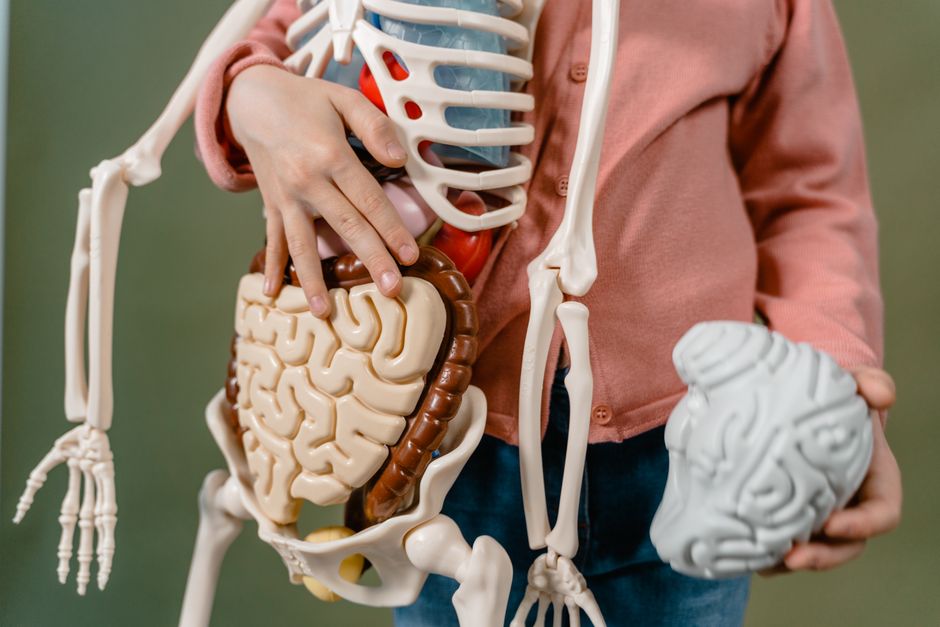
Your digestive system does more than process food. It affects your energy, your mood, and even your immune system. Keeping it healthy comes down to a few well-supported habits: eating enough fiber, staying hydrated, managing stress, and avoiding unnecessary antibiotics. The science behind these steps is clear, though some popular advice is overblown. Here is what the evidence actually says about keeping your digestive system running well.
What Does Fiber Actually Do for Your Digestive System?
Fiber is the single most important nutrient for digestion. The National Institutes of Health reports that most Americans eat about half the recommended amount. Women need about 25 grams per day. Men need about 38 grams. Most people get around 15.
Fiber works in two ways. Soluble fiber dissolves in water and forms a gel that slows digestion. This helps your body absorb nutrients more steadily. Insoluble fiber adds bulk to stool and helps food move through your intestines faster. Both types matter. Research published in the journal Gut found that people who eat the most fiber have a lower risk of colon cancer, diverticulitis, and hemorrhoids.
The trick is that most fiber supplements do not work as well as whole foods. Psyllium husk is the one exception with decent evidence behind it. But beans, oats, apples, carrots, and leafy greens deliver fiber alongside vitamins and water that help it function. If you increase fiber suddenly, your gut will complain. Gas and bloating are normal for a week or two. Add 5 grams per week until you reach the target.
How Much Water Do You Really Need for Good Digestion?
Fiber cannot work without water. It absorbs fluid and swells up. If you are dehydrated, fiber does the opposite of what you want — it can cause constipation and blockages. The old advice of eight glasses per day is not backed by strong evidence, but your body gives clear signals. Urine that is dark yellow means you need more water. Pale yellow means you are fine.
The Institute of Medicine suggests about 3.7 liters per day for men and 2.7 liters for women from all sources, including food. Water-rich fruits and vegetables count. Cucumbers, watermelon, and oranges contribute significantly. Caffeinated drinks are not dehydrating in normal amounts. A study in PLOS ONE found that moderate coffee consumption does not cause fluid loss.
One overlooked detail: drinking too much water at once can overwhelm your digestive system. Sip throughout the day instead of chugging large amounts. Your intestines absorb water more efficiently when it arrives steadily.
Does Probiotics Keep the Digestive System Healthy?
Probiotics are the most hyped digestive health product on the market. The evidence is more complicated than marketing suggests. A 2020 review in Cell analyzed over 400 probiotic studies and found that benefits depend heavily on the specific bacterial strain, the person taking it, and the health condition being targeted.
For healthy people without digestive problems, probiotics likely do nothing noticeable. Your existing gut bacteria are already well-established and resist colonization by new strains. Some studies suggest that certain strains — particularly Lactobacillus rhamnosus GG and Saccharomyces boulardii — can help prevent antibiotic-associated diarrhea. But that is a specific use case, not a general health boost.
Fermented foods are a better bet than pills. Yogurt, kefir, sauerkraut, and kimchi contain live bacteria plus other nutrients. A study from Stanford University in 2021 found that eating fermented foods for ten weeks increased microbiome diversity more than taking probiotic capsules. Diversity of gut bacteria is consistently linked to better digestive health.


What Role Does Stress Play in Digestion?
The brain and the gut are physically connected through the vagus nerve. When you are stressed, your body diverts blood flow away from the digestive system. Digestion slows down. This is not an abstract idea — it has been measured in real time using MRI scans. The American Psychological Association notes that chronic stress is linked to irritable bowel syndrome, acid reflux, and inflammatory bowel disease flare-ups.
Stress management is not optional for digestive health. The evidence for specific techniques is mixed, but mindfulness-based stress reduction has the strongest support. A 2019 meta-analysis in JAMA Internal Medicine found that mindfulness programs reduced IBS symptoms by about 30 percent compared to no treatment. That is comparable to some medications.
Exercise also helps, but not because it “massages the intestines” as some claim. Physical activity reduces circulating stress hormones and speeds up gut transit time. A study from the University of Illinois found that just 30 minutes of moderate walking significantly improved bowel movement frequency in people with chronic constipation. The effect was stronger than fiber alone.
Common Digestive Health Mistakes People Make
Several popular habits do more harm than good. Here are the ones with the strongest evidence against them:
- Overusing antacids. Proton pump inhibitors like omeprazole are designed for short-term use. Long-term use changes your stomach acid levels, which can allow harmful bacteria to survive and increase the risk of infections like C. difficile. The FDA recommends using the lowest dose for the shortest time.
- Taking antibiotics unnecessarily. Each course of antibiotics wipes out large portions of your gut bacteria. Some strains never fully recover. Research from the University of Minnesota found that a single course of antibiotics can reduce microbiome diversity for up to two years.
- Eating too fast. Digestion actually begins in the mouth. Chewing breaks food into smaller particles and mixes it with saliva enzymes. Swallowing large chunks forces your stomach to work harder and can cause bloating and indigestion. A study in Appetite found that people who chewed each bite 40 times ate 12 percent less food and reported less digestive discomfort than those who chewed 15 times.
- Relying on laxatives. Stimulant laxatives like bisacodyl and senna are meant for occasional use. Using them regularly can damage the nerves in your colon and make constipation worse over time. The American Gastroenterological Association recommends fiber, water, and exercise before any laxative.
What Does a Healthy Gut Microbiome Look Like?
There is no single “ideal” microbiome. Every person has a unique mix of bacteria shaped by diet, environment, and genetics. What scientists look for is diversity. A more diverse gut ecosystem is linked to better digestion, stronger immunity, and lower inflammation.
Diet is the fastest way to change your microbiome. A study published in Nature in 2021 showed that people who ate a diverse range of plant foods — 30 or more different types per week — had the most diverse gut bacteria. This does not mean exotic superfoods. It means rotating through different vegetables, fruits, legumes, nuts, seeds, and whole grains. Each plant feeds different bacterial species.
One non-obvious insight: prebiotics matter more than probiotics for most people. Prebiotics are types of fiber that feed existing good bacteria rather than introducing new ones. Garlic, onions, leeks, asparagus, bananas, and oats are rich in prebiotic fibers. A 2022 review in Gastroenterology concluded that prebiotic intake consistently increases beneficial Bifidobacterium levels, while probiotic supplements show inconsistent results.
| Strategy | Strength of Evidence | Ease of Implementation | Time to Notice Effect |
|---|---|---|---|
| Increase fiber from whole foods | Strong | Moderate | 1-2 weeks |
| Drink adequate water | Strong | Easy | 1-3 days |
| Probiotic supplements | Weak to moderate | Easy | Variable |
| Stress reduction techniques | Moderate | Moderate | 4-8 weeks |
| Fermented foods | Moderate | Moderate | 2-4 weeks |
| Regular exercise | Moderate | Moderate | 1-2 weeks |
When Should You See a Doctor for Digestive Issues?
Most digestive symptoms are temporary and harmless. But some signs warrant a medical evaluation. Blood in your stool — whether bright red or dark and tarry — should always be checked. Unexplained weight loss, persistent vomiting, or pain that wakes you at night are also red flags. The American College of Gastroenterology recommends colon cancer screening starting at age 45 for average-risk adults.
Chronic heartburn, bloating, or diarrhea that lasts more than three weeks deserves attention. These can be signs of conditions like celiac disease, inflammatory bowel disease, or small intestinal bacterial overgrowth. Many digestive disorders are treatable once diagnosed. Waiting too long can make symptoms harder to manage.
One more thing: over-the-counter digestive enzyme supplements are widely sold but have very limited evidence for people without diagnosed enzyme deficiencies. Most healthy people produce enough enzymes on their own. The pancreas is remarkably efficient. Unless a doctor has confirmed you have exocrine pancreatic insufficiency, these supplements are probably a waste of money.
Frequently Asked Questions
What is the fastest way to improve digestion?
Drinking more water and increasing fiber intake from whole foods usually produces the quickest results. Most people notice improvement within a few days.
Can probiotics help with bloating?
Some probiotic strains may reduce bloating in people with irritable bowel syndrome, but evidence for general bloating is weak. Fermented foods are a more reliable option.
Is it bad to take digestive enzymes every day?
For people without a diagnosed enzyme deficiency, daily enzyme supplements are unlikely to help and may interfere with your body’s natural enzyme production. Consult a doctor before long-term use.
Does stress really affect digestion?
Yes, chronic stress slows digestion and can worsen conditions like IBS and acid reflux. Stress reduction techniques have measurable benefits for gut health.
