
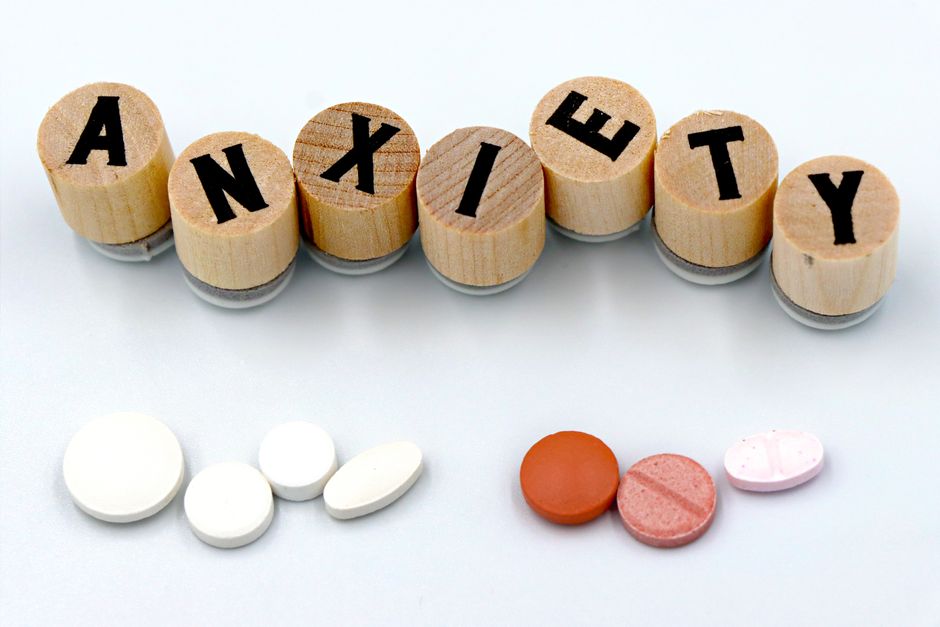
Anxiety feels like your brain is stuck in a loop, replaying worries and worst-case scenarios. You are not broken, and you are not alone. Controlling anxiety is not about eliminating it completely—that is not how human brains work. It is about building skills to notice when anxiety is happening and steering it in a healthier direction. Research shows that a combination of practical daily habits, breathing techniques, and sometimes professional support can significantly reduce how much anxiety controls your life.
What Actually Causes Anxiety in the First Place?
Anxiety is not one single thing. It is a mix of biology, past experiences, and current stress. Your brain has a built-in alarm system called the amygdala. When it senses danger, it floods your body with cortisol and adrenaline. This is useful if a car is heading toward you. It is less useful when you are sitting in a meeting or lying in bed at 2 a.m.
Some people are born with a more sensitive alarm system. Genetics play a role. Studies have found that if a close family member has an anxiety disorder, your risk is higher. But genes are not destiny. Environment matters just as much. Trauma, chronic stress, major life changes, and even lack of sleep can crank up your baseline anxiety level.
Current research suggests that anxiety disorders affect about 19% of U.S. adults every year. That is nearly one in five people. If you feel anxious often, you are in very large company. The key is learning what your specific triggers look like and building tools that work for you.
Does We Control Anxiety with Breathing Really Work?
Yes, but not in the magical way some articles claim. Breathing exercises do not cure anxiety. They do something more practical. They activate your parasympathetic nervous system, which is the part of your body that calms you down. When you breathe slowly and deeply, you send a signal to your brain that the immediate danger has passed.
The most studied technique is slow, extended exhale breathing. Breathe in for four counts, hold for four counts, breathe out for six counts. The longer exhale is the key. It stimulates the vagus nerve, which lowers heart rate and blood pressure. Research shows that doing this for just two to three minutes can reduce acute anxiety symptoms.
What does not work is expecting breathing to fix long-term anxiety patterns. Breathing is a tool for the moment. It helps you get through a panic attack or a stressful conversation. For lasting change, you need to pair it with other strategies like therapy or lifestyle adjustments. Think of breathing as the fire extinguisher, not the smoke alarm repair.
What Are the Most Effective Long-Term Strategies?
The strongest evidence points to cognitive behavioral therapy, or CBT. This is not vague advice about thinking positive. CBT is a structured approach where you learn to identify distorted thoughts and test them against reality. For example, if you think “everyone is judging me,” CBT teaches you to ask “what is the actual evidence for that?”
Research shows that CBT is as effective as medication for many people with anxiety disorders. It also has no side effects and the benefits tend to last longer after treatment ends. You can do CBT with a therapist or through guided self-help programs. The key is consistency. It takes weeks of practice, not one session.
Exercise is another well-studied strategy. It does not have to be intense. A 30-minute walk five times a week has been shown to reduce anxiety symptoms by up to 50% in some studies. Exercise burns off stress hormones and releases endorphins. It also gives your brain a break from rumination. Moving your body is one of the cheapest and most effective tools available.
Sleep is often overlooked but critical. Chronic sleep deprivation raises cortisol levels and makes your amygdala more reactive. If you are sleeping less than seven hours a night, your anxiety will be harder to manage. Improving sleep hygiene—consistent bedtime, no screens an hour before sleep, cool room—can lower your baseline anxiety within a week or two.





When Should Someone Consider Medication?
Medication is a valid option when anxiety is severe enough to interfere with daily life. If you cannot go to work, leave the house, or maintain relationships, therapy alone may not be enough at first. Medications like selective serotonin reuptake inhibitors (SSRIs) are the most commonly prescribed. They increase serotonin levels in the brain, which helps regulate mood and anxiety over time.
SSRIs take two to four weeks to start working and up to eight weeks for full effect. They are not fast fixes. Common side effects include nausea, headache, and changes in sleep or appetite. Most of these fade after the first week. Some people also experience a temporary increase in anxiety when they first start taking them. This is normal and usually passes.
Benzodiazepines like Xanax or Ativan work faster but carry higher risks. They are effective for short-term panic but can be habit-forming. Doctors typically prescribe them only for occasional use or for very short periods. They are not a long-term solution. As of 2026, current guidelines recommend trying therapy and lifestyle changes first before turning to medication, but there is no shame in needing medication. It is a tool, not a failure.
What Are the Common Mistakes People Make When Trying to Control Anxiety?
The biggest mistake is avoidance. If you avoid the situations that make you anxious, your brain learns that those situations are dangerous. This makes the anxiety worse over time. For example, if you stop driving after a panic attack, your brain reinforces the idea that driving is unsafe. The goal is not to avoid triggers but to face them gradually with support.
Another mistake is relying on alcohol or marijuana to cope. Alcohol is a depressant that can temporarily reduce anxiety, but it disrupts sleep and increases anxiety the next day. Marijuana can help some people in the moment but may increase anxiety and paranoia in others. Regular use of either can make anxiety harder to treat long-term.
Many people also try to control their thoughts too tightly. Trying to “not think about” something usually makes you think about it more. This is called ironic process theory. A better approach is to notice the anxious thought without judging it and let it pass. Mindfulness practices teach exactly this skill. You do not need to meditate for an hour. Even five minutes of noticing your breath and letting thoughts come and go can help.
| Strategy | How It Helps | Time to Notice Change |
|---|---|---|
| Slow breathing | Activates calming nervous system | Minutes |
| Exercise | Burns stress hormones, releases endorphins | 2-4 weeks |
| CBT therapy | Changes thought patterns and behaviors | 4-8 weeks |
| SSRI medication | Increases serotonin, regulates mood | 4-8 weeks |
| Sleep improvement | Lowers baseline cortisol and reactivity | 1-2 weeks |
What Role Does Diet Play in Anxiety?
Diet is not a cure, but it matters more than most people realize. The gut and brain are connected through the vagus nerve. What you eat affects your mood and anxiety levels. High sugar intake causes blood sugar spikes and crashes, which can mimic or worsen anxiety symptoms. Caffeine is another common trigger. It blocks adenosine, a chemical that helps you relax, and can increase heart rate and jitteriness.
Some studies suggest that omega-3 fatty acids found in fish like salmon and sardines may reduce anxiety symptoms. Probiotic-rich foods like yogurt, kefir, and sauerkraut support gut health, which may influence mood regulation. Magnesium is also linked to anxiety reduction, though evidence is mixed. You can get magnesium from leafy greens, nuts, and seeds.
The most practical advice is to eat regular meals with protein, fiber, and healthy fats. Skipping meals causes blood sugar drops that can trigger anxiety. Drinking enough water also matters. Even mild dehydration can affect mood and concentration. No single food will fix anxiety, but a consistent, balanced diet supports your brain’s ability to handle stress.
How Do You Know If You Need Professional Help?
If anxiety is making it hard to function in your daily life, it is time to talk to someone. Signs include avoiding social situations, missing work or school, having trouble sleeping most nights, or feeling panicked without a clear trigger. If you have had symptoms for more than six months, that is a sign of an anxiety disorder rather than normal stress.
A good starting point is your primary care doctor. They can rule out medical causes like thyroid problems or heart issues that can mimic anxiety. They can also refer you to a therapist or psychiatrist. Many therapists offer virtual sessions now, which makes it easier to get started. You do not need to be in crisis to seek help. Prevention and early intervention work better than waiting until things get worse.
If you are having thoughts of harming yourself, call or text 988 to reach the Suicide and Crisis Lifeline. It is free, confidential, and available 24/7. You do not have to be in immediate danger to call. They can help with anxiety and panic too.
Frequently Asked Questions About we control anxiety
Can anxiety go away on its own without treatment?
Mild anxiety can fade when the stressful situation ends, but chronic anxiety disorders usually do not resolve without active management. Professional help or consistent self-care strategies are typically needed for lasting improvement.
How long does it take for therapy to work for anxiety?
Most people notice some improvement within four to eight weeks of regular CBT sessions. Full benefits often take three to six months of consistent work.
Is it safe to take anxiety medication every day?
SSRIs are safe for daily long-term use under a doctor’s supervision, though they take time to work. Benzodiazepines are not recommended for daily use due to dependence risk.
What is the difference between normal anxiety and an anxiety disorder?
Normal anxiety comes and goes with real stress and does not stop you from living your life. An anxiety disorder involves persistent, excessive worry that interferes with work, relationships, or daily activities for months.
