
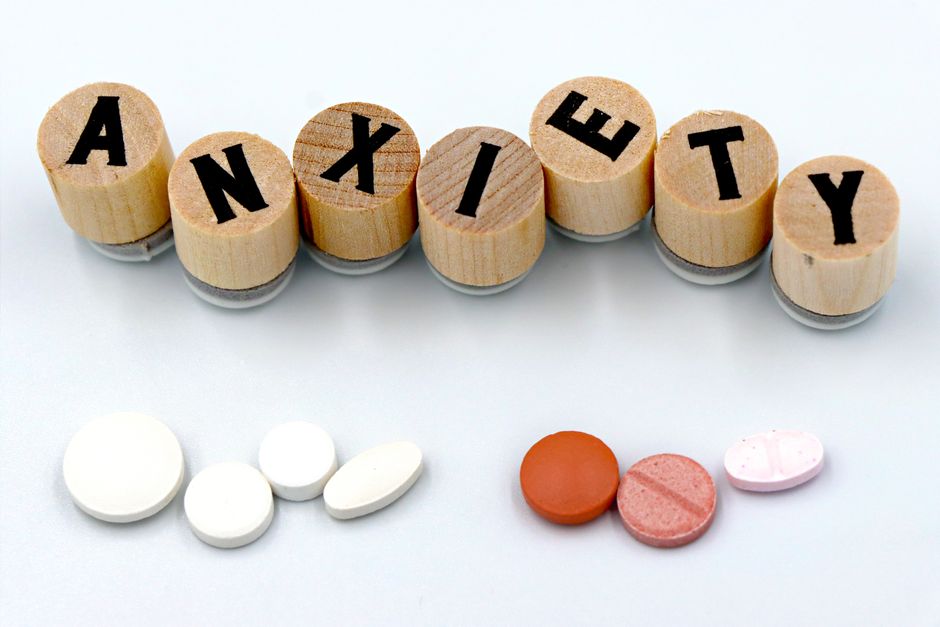
An anxiety attack can feel like your body has taken over. Your heart races, your chest tightens, and your mind floods with fear. In that moment, the goal is not to eliminate the feeling instantly. The goal is to ground yourself and let your nervous system know you are safe. The most effective first step is to slow your breathing, which directly signals your brain to calm down.
What Actually Happens During an Anxiety Attack?
Anxiety attacks are a sudden surge of intense fear that peaks within minutes. Your body’s stress response, often called the fight-or-flight response, activates. Your adrenal glands release adrenaline and cortisol. These hormones increase your heart rate, quicken your breathing, and redirect blood flow to your muscles.
This response is designed for physical danger. When no physical danger exists, the sensations themselves become frightening. That is why many people worry they are having a heart attack or dying. Understanding this mechanism helps. The feeling is real, but it is not dangerous. The symptoms are your body’s alarm system misfiring.
How To Control An Anxiety Attack In The Moment
You can control an anxiety attack in the moment by using grounding techniques and breathing exercises. These methods work by shifting your focus from internal fear to the present moment. They interrupt the cycle of escalating panic.
One of the most reliable techniques is paced breathing. Breathe in through your nose for a count of four. Hold for a count of four. Breathe out slowly through your mouth for a count of six. The longer exhale activates your parasympathetic nervous system, which promotes relaxation. Repeat this for several minutes until your heart rate begins to slow.
Another effective method is the 5-4-3-2-1 grounding technique. Look around and name five things you can see. Then name four things you can touch. Then three things you can hear. Then two things you can smell. Then one thing you can taste. This forces your brain to process sensory information from the environment rather than internal threat signals.
Cold water can also help. Splash cold water on your face or hold an ice cube in your hand. The sudden temperature change triggers the dive reflex, which naturally slows your heart rate. This is a physiological response, not a psychological trick.
Why Trying To Stop Panic Makes It Worse
Fighting the anxiety attack often intensifies it. When you resist the sensations, your brain interprets the struggle as confirmation that something is wrong. This raises your fear level, which raises your adrenaline, which worsens the symptoms.
Instead of fighting, try to observe. Notice the sensation in your chest without judging it. Tell yourself: “This is uncomfortable, but it will pass.” Anxiety attacks typically peak within 10 minutes and then begin to subside. Reminding yourself of this timeline can reduce the secondary fear that prolongs the episode.
Acceptance does not mean you like the feeling. It means you stop adding fear on top of fear. The anxiety attack becomes a wave you ride rather than a battle you fight. This shift alone can shorten the duration of the episode.



Breathing Techniques That Work Fast
Breathing is the fastest tool you have because it directly influences your nervous system. Your breathing rate is one of the few bodily functions you can control consciously and unconsciously. When you slow your exhale, you activate the vagus nerve, which lowers your heart rate.
Box breathing is a common technique used by people in high-stress professions. Breathe in for four counts. Hold for four counts. Breathe out for four counts. Hold for four counts. Repeat the cycle. This pattern creates a steady rhythm that distracts your mind and regulates your body.
Alternate nostril breathing is another option. Close your right nostril with your thumb. Breathe in through your left nostril. Close your left nostril with your ring finger. Release your thumb and breathe out through your right nostril. Continue alternating for several minutes. This technique requires enough focus that it pulls your attention away from anxious thoughts.
Practice these techniques when you are calm. If you wait until the anxiety attack starts, it is harder to remember the steps. Practicing daily for even one minute builds the habit. When the attack comes, your body already knows the pattern.
Physical Sensations To Focus On
Your body is a reliable anchor during an anxiety attack. Anxiety pulls your attention inward toward catastrophic thoughts. Physical grounding redirects your attention outward to tangible sensations.
Press your feet firmly into the floor. Notice the pressure against your soles. Run your fingers along a textured surface, like a sweater or a rough wall. Notice the sensation in detail. Is it rough or smooth? Warm or cool?
Progressive muscle relaxation is another option. Start at your toes and tense the muscles for five seconds. Then release and notice the feeling of relaxation. Move upward through your legs, abdomen, hands, arms, shoulders, and face. This technique releases physical tension that builds during anxiety and gives your mind a clear task.
Movement helps too. Walk slowly around the room. Stretch your arms overhead. Roll your shoulders back. Physical movement helps metabolize the excess adrenaline in your bloodstream. Even a short walk can reduce the intensity of the symptoms.
When To Seek Professional Help
Occasional anxiety attacks are common. But frequent attacks can signal an anxiety disorder that benefits from treatment. If you have anxiety attacks more than once a week, or if they interfere with your daily life, talk to a healthcare provider.
Some research indicates that cognitive behavioral therapy is one of the most effective treatments for anxiety disorders. This therapy helps you identify and change thought patterns that trigger anxiety. It also involves exposure to feared sensations in a controlled way, which reduces their power over time.
Medication is another option. Selective serotonin reuptake inhibitors, commonly called SSRIs, are frequently prescribed for anxiety disorders. These medications do not work immediately. They typically take several weeks to show effect. Your doctor can discuss whether this approach fits your situation.
If you experience chest pain, shortness of breath, or fainting, seek emergency care. These symptoms can also indicate a heart condition. It is better to be evaluated than to assume it is only anxiety.
Building Long-Term Resilience
Managing anxiety attacks in the moment is important. Reducing their frequency is equally important. Regular exercise, adequate sleep, and consistent meals all help stabilize your nervous system. When your body is well-regulated, your stress response is less likely to overreact.
Limiting caffeine and alcohol can also help. Both substances can trigger or worsen anxiety symptoms. Caffeine stimulates your nervous system, which can mimic the early signs of an anxiety attack. Alcohol disrupts sleep and can increase anxiety the following day.
Mindfulness practice builds your capacity to observe thoughts without reacting to them. This is not about emptying your mind. It is about noticing that a thought is just a thought. Over time, this reduces the intensity of anxious reactions.
Some studies suggest that regular physical activity has an anxiety-reducing effect comparable to medication for some people. The exact mechanism is not fully understood, but exercise increases endorphins and helps regulate stress hormones. Starting with a daily 20-minute walk is a realistic goal for most people.
Frequently Asked Questions
What is the fastest way to stop an anxiety attack?
Slow your exhale by breathing out for a count of six while breathing in for a count of four. This activates your parasympathetic nervous system and lowers your heart rate.
How long does an anxiety attack last?
Most anxiety attacks peak within 10 minutes and subside within 20 to 30 minutes. The physical symptoms usually fade once adrenaline levels drop.
Can cold water stop an anxiety attack?
Splashing cold water on your face can trigger the dive reflex, which slows your heart rate. This is a temporary measure that can reduce symptoms while you use other grounding techniques.
Should I see a doctor about anxiety attacks?
See a healthcare provider if attacks happen weekly, interfere with daily life, or cause you to avoid situations. Chest pain or fainting requires emergency evaluation to rule out heart conditions.
