
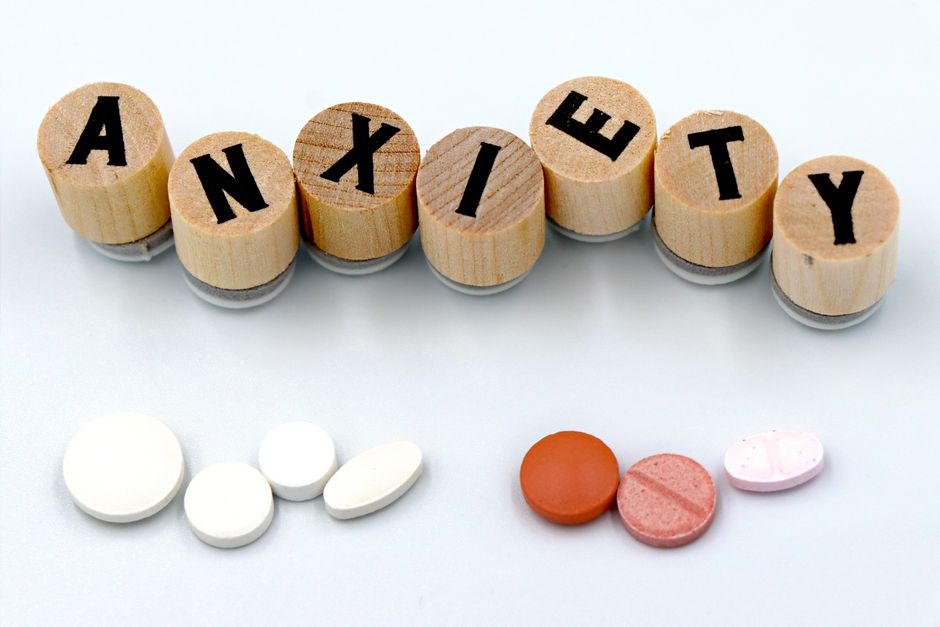
Anxiety feels like your brain is stuck on high alert even when nothing is wrong. You can learn to control it, but not by simply telling yourself to calm down. The real answer involves specific techniques, changes in daily habits, and sometimes professional help. This article walks through what the research actually says about managing anxiety so you can separate real solutions from empty promises.
What Causes Anxiety in the First Place?
Anxiety is not a character flaw. It is your body’s natural alarm system working overtime. The brain’s amygdala detects a threat and triggers the fight-or-flight response. In people with anxiety disorders, this alarm goes off too easily and stays on too long.
Several things can make this system more sensitive. Genetics play a role. If a close family member has anxiety, your risk is higher. Life experiences matter too. Trauma, chronic stress, or even growing up in a very critical environment can rewire the brain to expect danger everywhere.
Current research suggests that brain chemistry is also involved. Low levels of serotonin and GABA, which are calming chemicals, can leave the brain less able to put the brakes on worry. This is not a simple chemical imbalance, but it is a real factor that medication can sometimes help correct.
Does Breathing Actually Help Control Anxiety?
Yes, but not because breathing is magical. Slow, deep breathing works because it physically forces your nervous system to shift gears. When you breathe in, your heart rate speeds up slightly. When you breathe out, it slows down. By lengthening your exhale, you directly tell your body it is safe.
Research shows that slow breathing at about six breaths per minute can lower blood pressure and reduce cortisol levels. This is not something you have to believe in for it to work. It is a physiological fact. The tricky part is remembering to do it when anxiety hits.
One simple method is box breathing. Breathe in for four counts, hold for four, breathe out for four, hold for four. Do this for two minutes. It is not a cure for an anxiety disorder, but it is a reliable tool to turn down the volume on an anxious moment.
What Does Research Say About Exercise and Anxiety?
Exercise is one of the most effective non-medication treatments for anxiety. Studies have found that regular aerobic exercise can reduce anxiety symptoms by 20 to 40 percent. That is comparable to some medications, though it works differently and takes longer to show full effect.
The reason is biological. Exercise burns off stress hormones like cortisol and adrenaline. It also triggers the release of endorphins and increases brain chemicals like serotonin and dopamine. Over time, exercise helps the brain become more resilient to stress.
You do not need to run a marathon. Walking briskly for 30 minutes, five days a week, is enough. The key is consistency. A single workout helps for a few hours. Regular workouts build a longer-lasting shield against anxiety.
One non-obvious point: exercise that requires focus, like rock climbing, dancing, or martial arts, may help more than repetitive exercise like jogging on a treadmill. The mental engagement distracts the brain from worry loops.





How Do Thoughts and Thinking Patterns Control Anxiety?
Your thoughts can fuel anxiety or calm it down. Cognitive behavioral therapy, or CBT, is built on this idea. It is one of the most researched treatments for anxiety and has strong evidence behind it.
The core idea is simple. Your thoughts about a situation, not the situation itself, drive your emotional response. If you think a stomach ache means you have a serious disease, you will feel terrified. If you think it is just gas, you will barely notice it.
CBT teaches you to catch these distorted thoughts and question them. Common thinking traps include imagining the worst-case scenario, assuming you know what others think of you, and believing that one bad event means everything is ruined. Learning to spot these patterns is the first step to controlling them.
Some people report that just labeling a thought as “catastrophizing” or “mind reading” reduces its power. This is not about positive thinking. It is about accurate thinking. The goal is to replace “I am going to lose my job” with “I am worried about losing my job, but I have no evidence it will happen.”
Can We Control Anxiety With Lifestyle Changes Alone?
For mild to moderate anxiety, lifestyle changes can make a real difference. For severe anxiety, they are rarely enough on their own. The distinction matters because people with severe anxiety often feel like failures when lifestyle changes do not work. That is not fair to them.
Here is what the evidence supports for lifestyle changes:
- Sleep is critical. Poor sleep makes anxiety worse, and anxiety makes sleep worse. Prioritizing seven to nine hours of quality sleep can break this cycle.
- Caffeine is a trigger for many people. It stimulates the same nervous system that is already overactive. Cutting back or eliminating caffeine helps some people significantly.
- Alcohol is a trap. It feels calming in the moment, but it disrupts sleep and increases anxiety the next day. This is called the hangxiety effect.
- Nutrition matters, but the evidence is not as strong as for sleep or exercise. A balanced diet with enough protein, healthy fats, and vegetables supports brain function.
These changes work best when combined. Doing one thing, like exercising but sleeping poorly, may not help much. Doing several things together creates a stronger effect.
What Are the Most Common Mistakes People Make When Trying to Control Anxiety?
The biggest mistake is trying to eliminate anxiety completely. Anxiety is a normal human emotion. The goal is not to feel zero anxiety. The goal is to have anxiety that matches the situation and does not take over your life.
Another common mistake is avoidance. It feels good in the short term to avoid things that make you anxious. But avoidance teaches your brain that those things are truly dangerous. Over time, your world gets smaller and your anxiety gets worse.
Many people also rely too heavily on reassurance seeking. They ask friends or family repeatedly if everything will be okay. This provides temporary relief but strengthens the habit of needing external validation. Learning to tolerate uncertainty is a better long-term skill.
Finally, people often give up too quickly on treatments. CBT takes weeks to show results. Medication can take four to six weeks. Exercise helps immediately but builds slowly. People who stick with a plan for three months are much more likely to see lasting improvement.
How to Choose Between Therapy, Medication, and Self-Help?
This depends on how much anxiety affects your daily life. If you can still go to work, maintain relationships, and do basic tasks, self-help and therapy are good starting points. If anxiety stops you from doing these things, medication may help you get to a place where therapy can work.
Therapy is not one-size-fits-all. CBT has the strongest evidence, but acceptance and commitment therapy, or ACT, also works well for some people. ACT focuses on accepting anxious thoughts rather than fighting them. Both are valid options.
Medication can help, but it is not a cure. Selective serotonin reuptake inhibitors, or SSRIs, are the most common first-line treatment. They increase serotonin levels in the brain. Side effects can include nausea, sleep changes, and sexual problems. These often improve after the first few weeks.
Here is a comparison of common approaches:
| Approach | How It Works | Time to See Results |
|---|---|---|
| CBT therapy | Changes thought patterns and behaviors | 4-12 weeks |
| SSRI medication | Increases serotonin levels | 4-6 weeks |
| Regular exercise | Burns stress hormones, boosts mood chemicals | Immediate relief, 8 weeks for lasting change |
| Mindfulness meditation | Builds awareness of thoughts without reacting | 8 weeks of daily practice |
Many people use a combination. Medication can reduce symptoms enough to make therapy more effective. Exercise and good sleep support everything else. As of 2026, the strongest evidence supports CBT as the gold standard for most anxiety disorders.
What About Supplements and Natural Remedies?
This is an area where hype far exceeds evidence. Some supplements have modest support, but nothing replaces the basics like sleep, exercise, and therapy. Be skeptical of anything that promises to cure anxiety quickly.
Magnesium has some evidence for mild anxiety. It helps regulate the nervous system. A 2017 study found that magnesium glycinate improved anxiety symptoms in people with mild deficiency. The effect was small but real.
L-theanine, an amino acid in green tea, may promote relaxation without drowsiness. Some studies show it reduces stress responses in lab tests. The effect is subtle and not enough for moderate to severe anxiety.
CBD is widely claimed to help with anxiety, but the evidence is mixed. Some small studies show benefit for social anxiety in controlled settings. Other studies show no difference from placebo. As of 2026, there is no clinical evidence that CBD reliably treats generalized anxiety disorder.
Ashwagandha and other adaptogens have some support from small studies, but the research is not strong enough to recommend them broadly. Always talk to a doctor before trying supplements, especially if you take other medications.
Frequently Asked Questions About Control Anxiety
Can you really control anxiety without medication?
For mild to moderate anxiety, yes, lifestyle changes and therapy are effective. For severe anxiety, medication may be needed to get started.
How long does it take to control anxiety with therapy?
Most people see improvement within 8 to 12 sessions of CBT. Some notice changes in as little as 4 weeks.
Does deep breathing really stop panic attacks?
Deep breathing can reduce the intensity of a panic attack by calming the nervous system. It works best when practiced regularly, not just during an attack.
What is the fastest way to calm anxiety in the moment?
Slow, extended exhale breathing is the fastest physical method. Counting backward from 100 by sevens also distracts the brain from worry loops.
