
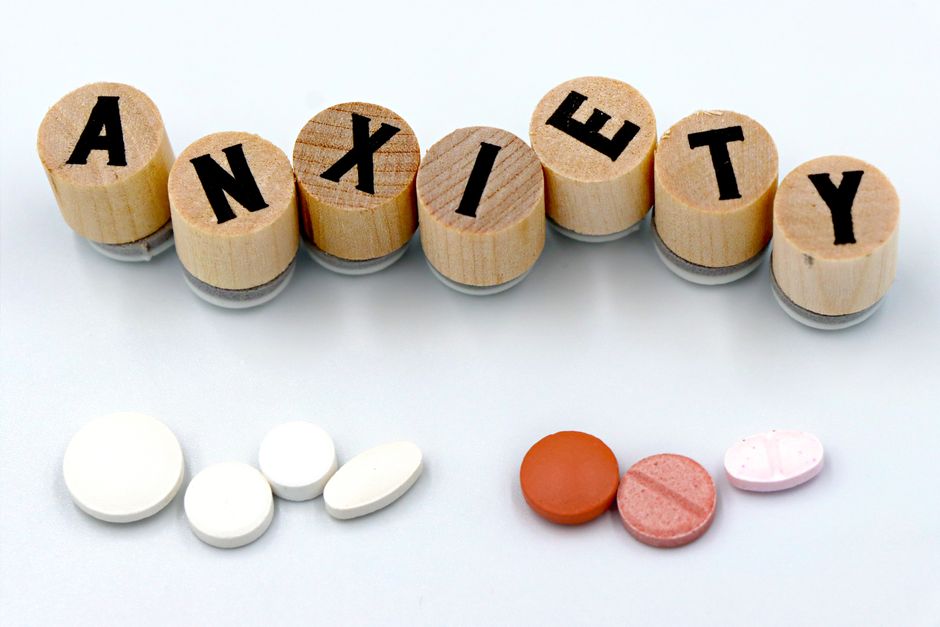
Worry is a normal part of life. But when worry takes over your days and leaves you exhausted, it may be more than just stress. Anxiety disorder is not the same as feeling nervous before a big meeting. It is a medical condition that affects how your brain processes fear. If you are wondering how to know if you have an anxiety disorder, start by looking at how long your symptoms last and how much they interfere with your daily life. This article walks through the signs, the science, and the steps you can take.
What Is the Difference Between Normal Anxiety and an Anxiety Disorder?
Everyone feels anxious sometimes. That is your body’s natural alarm system. It keeps you safe and helps you perform under pressure. The difference between normal anxiety and a disorder comes down to three things: intensity, duration, and interference.
Normal anxiety passes once the stressful event ends. You might feel nervous before a job interview, but after it is over you relax. An anxiety disorder does not turn off. It stays active even when there is no real threat. You may feel dread or panic in situations that are not actually dangerous.
Research shows that anxiety disorders affect about 19% of adults in the United States each year. That makes them the most common mental health condition in the country. The key sign is that the anxiety is out of proportion to the situation. It also lasts for six months or longer.
If your anxiety makes you avoid normal activities like driving, shopping, or socializing, that is a strong signal. A disorder interferes with work, relationships, and health. Normal anxiety does not stop you from living your life.
What Are the Most Common Symptoms of an Anxiety Disorder?
Anxiety disorder symptoms fall into two categories: mental and physical. You do not need to have all of them. But having several for most days over weeks or months is worth paying attention to.
Mental symptoms include:
- Constant worrying that you cannot control
- Feeling restless or on edge
- Trouble concentrating because your mind is racing
- Irritability that seems out of character
- A sense of dread or expecting the worst to happen
Physical symptoms include:
- Racing heart or chest tightness
- Shortness of breath
- Sweating or trembling
- Upset stomach or nausea
- Muscle tension and headaches
- Trouble falling asleep or staying asleep
One thing many people do not realize is that anxiety can also show up as fatigue. Constant worry drains your energy. You may feel exhausted even after a full night of sleep. This is because your body stays in a low-level fight-or-flight state all day.
Studies have found that people with anxiety disorders often visit their primary care doctor first for physical complaints like chest pain or stomach issues. They do not realize the source is anxiety. If your doctor has ruled out medical causes and your symptoms keep returning, anxiety may be the root.
How Can You Tell If Your Anxiety Is Severe Enough for a Diagnosis?
You do not need to hit rock bottom to seek help. But there is a difference between mild anxiety that you can manage and severe anxiety that needs treatment. The question is how much your anxiety controls your choices.
Start by asking yourself a few honest questions. Do you avoid certain places or people because they make you anxious? Do you spend more than an hour a day worrying about things that are unlikely to happen? Do you cancel plans regularly because your anxiety spikes?
If you answered yes to any of these, your anxiety may be at a level that benefits from professional support. Many people wait years before seeking help. They think they should be able to handle it on their own. That is like thinking you should heal a broken leg without a cast.
Current research suggests that the average person with an anxiety disorder waits 9 to 12 years before getting treatment. That is a long time to suffer. Early treatment usually works better. You do not have to wait until your anxiety is unbearable. If it is affecting your quality of life, that is enough reason to talk to someone.





What Screening Tools Do Doctors Use to Know if You Have an Anxiety Disorder?
Doctors use several standard tools to screen for anxiety. The most common one is called the GAD-7. It stands for Generalized Anxiety Disorder 7-item scale. It is a short questionnaire that asks about your symptoms over the past two weeks.
The GAD-7 asks how often you have been bothered by things like feeling nervous, not being able to stop worrying, and trouble relaxing. You rate each item from zero to three. The total score helps your doctor understand the severity of your anxiety. A score of 10 or higher usually suggests a possible anxiety disorder.
Another tool is the Beck Anxiety Inventory. It focuses more on physical symptoms like numbness, trembling, and fear of losing control. Both tools are free and widely available online. But they are not a diagnosis. They are a starting point for a conversation with a professional.
Doctors also rule out other conditions that can look like anxiety. Thyroid problems, heart conditions, and certain vitamin deficiencies can cause similar symptoms. That is why a medical checkup is important before assuming you have an anxiety disorder. As of 2026, there is no single blood test for anxiety. Diagnosis is based on your symptoms, your history, and how long the symptoms have been present.
| Screening Tool | What It Measures | Typical Score Range |
|---|---|---|
| GAD-7 | General anxiety symptoms over 2 weeks | 0-21 |
| Beck Anxiety Inventory | Physical and cognitive symptoms | 0-63 |
| Hamilton Anxiety Scale | Severity of anxiety in clinical settings | 0-56 |
These tools are useful but they are not perfect. They rely on you reporting your symptoms honestly. Some people downplay their anxiety because they think it is not serious enough. If you are unsure, fill one out and show it to your doctor. Let the numbers help you start the conversation.
What Types of Anxiety Disorders Exist and How Are They Different?
Anxiety disorder is an umbrella term. There are several specific types, and knowing which one fits can help guide treatment. The most common is generalized anxiety disorder, or GAD. People with GAD worry excessively about many different things. Their worry feels impossible to control.
Panic disorder is different. It involves sudden attacks of intense fear that come out of nowhere. During a panic attack, you may feel like you are having a heart attack or dying. The fear of having another attack can make you avoid certain places.
Social anxiety disorder is about fear of being judged by others. It goes beyond shyness. People with social anxiety may avoid speaking in public, eating in front of others, or even making phone calls. They worry intensely about being embarrassed.
Specific phobias are intense fears of particular things like heights, flying, or spiders. These are usually easier to identify because the trigger is clear. Agoraphobia involves fear of being in situations where escape might be hard. It can lead to being housebound in severe cases.
Each type responds to treatment, but the approach may differ. Cognitive behavioral therapy works well for all types. Some people also benefit from medication like SSRIs. The important thing is to get the right diagnosis so your treatment matches your specific symptoms.
What Can You Try on Your Own to Manage Anxiety?
Professional help is important for moderate to severe anxiety. But there are things you can do alongside treatment that make a real difference. These are not replacements for therapy or medication. They are tools that support your recovery.
Breathing exercises are one of the most studied techniques. Slow, deep breathing activates your parasympathetic nervous system. That is the part of your body that calms you down. Try breathing in for four seconds, holding for four, and breathing out for six. Doing this for a few minutes can lower your heart rate.
Movement also helps. Exercise burns off stress hormones like cortisol. It also releases endorphins, which improve your mood. You do not need to run a marathon. A 20-minute walk can reduce anxiety for several hours afterward. Studies have found that regular exercise is as effective as medication for some people with mild to moderate anxiety.
Sleep hygiene matters more than most people realize. Anxiety and poor sleep feed each other. If you are not sleeping well, your anxiety gets worse. And if your anxiety is high, sleep becomes harder. Focus on going to bed at the same time each night and avoiding screens for an hour before bed.
Limiting caffeine and alcohol can also help. Caffeine triggers your fight-or-flight response. For someone with anxiety, that can feel like a panic attack. Alcohol may relax you in the moment, but it disrupts sleep and can increase anxiety the next day. Many people report feeling significantly better after cutting back on both.
Journaling is another tool that some people find useful. Writing down your worries can help you see them more clearly. You may notice patterns that you did not see before. It also gets the thoughts out of your head and onto paper, which can reduce their intensity.
Frequently Asked Questions About know if u have anxiety disorder
Can a blood test tell me if I have an anxiety disorder?
No, there is no blood test that diagnoses anxiety disorders. Doctors diagnose based on your symptoms, history, and how long they have lasted.
How long do anxiety symptoms need to last for a diagnosis?
Most anxiety disorders require symptoms to be present for six months or longer. Your doctor will also look at how much the symptoms interfere with your life.
Is it possible to have anxiety without feeling worried all the time?
Yes, some people experience mostly physical symptoms like chest tightness or fatigue without constant worrying. This is more common in men and older adults.
What is the first step to get help for anxiety?
Start by talking to your primary care doctor. They can rule out medical causes and refer you to a mental health specialist if needed.
