
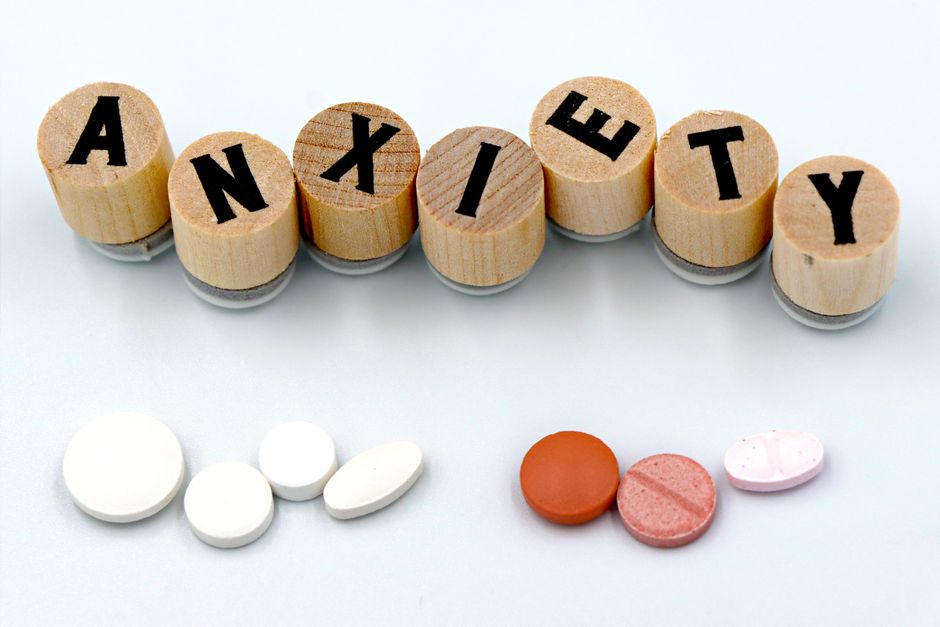
Anxiety does not cause ADHD. The two conditions are distinct neurological disorders with different origins, though they often occur together and can look very similar from the outside. Research shows that about 25 to 40 percent of adults with ADHD also have an anxiety disorder, but one does not create the other. Understanding this difference matters because treating the wrong condition first can make symptoms worse instead of better.
What Is the Real Relationship Between Anxiety and ADHD?
ADHD is a neurodevelopmental disorder present from childhood. It involves differences in how the brain regulates attention, impulses, and activity levels. Anxiety is a mood disorder that involves excessive worry, fear, and physical tension. They are separate conditions with separate causes.
What makes this confusing is that anxiety can look like ADHD. A person who is constantly worried may have trouble focusing, feel restless, and struggle to finish tasks. These symptoms mimic inattention and hyperactivity. A doctor who does not dig deeper might diagnose ADHD when the real problem is anxiety.
But the reverse is also true. Living with untreated ADHD is stressful. Missed deadlines, forgotten appointments, and social friction create constant worry. Over time, that worry can develop into a full anxiety disorder. The National Institute of Mental Health reports that adults with ADHD are significantly more likely to have an anxiety disorder than adults without ADHD.
This is not the same as anxiety causing ADHD. It is more accurate to say that ADHD creates conditions where anxiety is more likely to grow.
Can Anxiety Mimic ADHD Symptoms?
Yes, and this is where many people get confused. Anxiety floods the brain with stress hormones like cortisol and adrenaline. These chemicals are designed for short-term survival, not long-term focus. When they stay elevated, concentration suffers.
A person with high anxiety might:
- Have trouble sitting still during a meeting
- Forget what they were about to say
- Feel mentally foggy or unable to organize thoughts
- Procrastinate on tasks that feel overwhelming
- Interrupt others because they feel urgency about their own thoughts
These are also classic ADHD symptoms. The difference is the root cause. In anxiety, the attention problem comes from being distracted by internal worry. In ADHD, the attention problem comes from the brain’s difficulty regulating focus regardless of mood.
One clue that helps doctors separate them is timing. ADHD symptoms are present consistently from childhood, even in calm situations. Anxiety symptoms tend to come and go with stress levels. If a person focuses fine on vacation but struggles at work, anxiety is more likely the driver.
Another clue is what happens when the worry stops. If treating the anxiety resolves the focus problems, it was never ADHD. If focus issues remain even when the person feels calm, ADHD is more likely.
Does Anxiety Cause ADHD? What Research Shows
Research published in JAMA Psychiatry has looked at the genetic overlap between ADHD and anxiety disorders. The findings show that they share some genetic risk factors, but not enough to say one causes the other. Think of it as two different roads that share a few intersections.
Longitudinal studies tracking children over time have found that ADHD in childhood predicts higher rates of anxiety later in life. But the reverse is not true. Early anxiety does not predict later ADHD. This supports the idea that ADHD creates vulnerability to anxiety, not the other way around.
The American Psychiatric Association’s diagnostic manual makes this distinction clear. ADHD and anxiety disorders are listed in separate categories. A person can have both, but one is not a subtype of the other.
One important nuance: some symptoms of anxiety medications can look like ADHD. Certain anti-anxiety drugs cause drowsiness or mental slowing. A person might interpret this as brain fog and worry they have undiagnosed ADHD. This is a medication side effect, not a new condition.





How Are Anxiety and ADHD Diagnosed Together?
Diagnosing both conditions requires a careful history. A good clinician will ask about symptoms before age 12, since ADHD must be present in childhood even if it was missed at the time. They will also ask about periods of calm to see if attention problems disappear when stress drops.
Self-report questionnaires help but are not enough. Many questions about anxiety and ADHD overlap. A high score on an ADHD screener could come from untreated anxiety. A thorough evaluation includes input from family members or old report cards when possible.
One common mistake is treating the most visible symptom first without understanding the full picture. A patient who complains of racing thoughts might get an anxiety diagnosis. But racing thoughts are also common in ADHD, especially the hyperactive type. Treating anxiety alone might slow the thoughts but not fix the underlying attention problem.
Another mistake is assuming that because a person has anxiety, their focus problems must be caused by it. This can delay proper ADHD treatment for years. The CDC estimates that only about half of adults with ADHD have been diagnosed. Many of the undiagnosed are likely being treated for anxiety instead.
The safest approach is evaluation by a specialist who regularly sees both conditions. A psychiatrist or psychologist with experience in adult ADHD is ideal.
What Happens When You Treat the Wrong Condition First?
Treating anxiety when the real problem is ADHD can backfire. Some anxiety medications, particularly benzodiazepines, can worsen ADHD symptoms over time. They slow brain activity broadly, which can make inattention and forgetfulness worse.
Treating ADHD when the real problem is anxiety can also cause problems. Stimulant medications increase focus and energy. In a person with anxiety, this can feel like being trapped in a speeding car. Heart rate goes up, worry intensifies, and panic attacks can become more frequent.
This is why getting the right diagnosis matters so much. The table below compares common treatment approaches and what happens when they are used for the wrong condition.
| Treatment | Used for ADHD correctly | Used for anxiety incorrectly |
|---|---|---|
| Stimulant medication | Improves focus, reduces impulsivity | Increases heart rate, worsens panic |
| SSRI antidepressants | Helps with co-occurring anxiety or depression | Does not address core ADHD symptoms |
| Cognitive behavioral therapy | Helps with coping strategies and organization | Effective for anxiety but misses ADHD-specific needs |
| Non-stimulant ADHD meds | Good option when anxiety is also present | Less effective than stimulants for pure ADHD |
When both conditions are present, treatment usually starts with the one causing more impairment. Many clinicians prefer to treat anxiety first if it is severe, then reassess for remaining ADHD symptoms. Others start with a non-stimulant ADHD medication that does not worsen anxiety. The right order depends on the individual.
What Should You Do If You Think You Have Both?
Start by tracking your symptoms for two weeks. Write down when you feel anxious, when you cannot focus, and what was happening before each episode. Note whether your attention problems happen only during stressful times or also when you feel calm.
Bring this log to a professional evaluation. Tell the clinician you want to be evaluated for both ADHD and anxiety separately. Ask specifically whether your attention problems could be explained by anxiety alone or whether ADHD is also likely.
Some people report that lifestyle changes help both conditions. Regular exercise reduces anxiety symptoms and improves focus. Consistent sleep schedules help regulate both mood and attention. Reducing caffeine and alcohol can calm the nervous system and reduce jitteriness that looks like hyperactivity.
But do not rely on lifestyle changes alone if symptoms are moderate to severe. ADHD and anxiety are medical conditions that respond well to proper treatment. Delaying treatment because you want to try everything else first can prolong suffering unnecessarily.
One thing that is widely claimed but has limited evidence is that supplements like magnesium or omega-3s can treat either condition alone. Some people report benefit, but strong clinical trials do not support using them as primary treatment. They may help as part of a broader plan but should not replace professional care.
Common Misconceptions About Anxiety and ADHD
A common myth is that ADHD is caused by bad parenting or a chaotic childhood. This belief persists despite decades of research showing ADHD is primarily genetic. Twin studies consistently find heritability rates around 70 to 80 percent. Anxiety from a stressful home might look like ADHD, but it is not the same brain condition.
Another misconception is that if you have anxiety, you cannot have ADHD because anxiety makes you hypervigilant, not inattentive. In reality, hypervigilance is exhausting. The brain can only sustain high alert for so long before it crashes into distraction and forgetfulness. Many people with both conditions swing between extreme focus on threats and complete inability to concentrate on anything else.
Some people believe that ADHD medication always makes anxiety worse. This is true for some, but not all. Non-stimulant options like atomoxetine or certain alpha-2 agonists can treat ADHD symptoms without increasing anxiety. For some people, successfully treating ADHD reduces anxiety because daily life becomes less overwhelming.
As of 2026, there is no clinical evidence that any specific diet, supplement, or brain training program can cure either condition. These approaches may help some people manage symptoms, but they do not change the underlying brain differences. Be skeptical of any product that promises to fix both conditions permanently.
Frequently Asked Questions
Can anxiety cause ADHD in adults?
No. Anxiety does not cause ADHD. ADHD is a neurodevelopmental disorder present from childhood. Anxiety can mimic ADHD symptoms but does not create the underlying condition.
How can I tell if I have anxiety or ADHD?
If your focus problems only happen during stressful times, anxiety is more likely. If you have always struggled with attention even when calm, ADHD is more likely. A professional evaluation is the only reliable way to know.
Can ADHD medication help with anxiety?
Sometimes. Treating ADHD can reduce anxiety caused by struggling with daily tasks. But stimulant medications can worsen anxiety in some people. Non-stimulant options may work better when both conditions are present.
Should I treat anxiety or ADHD first?
Most clinicians treat the condition causing more impairment first. If anxiety is severe, it is usually treated before starting ADHD medication. A psychiatrist can help determine the right order for your specific situation.
