
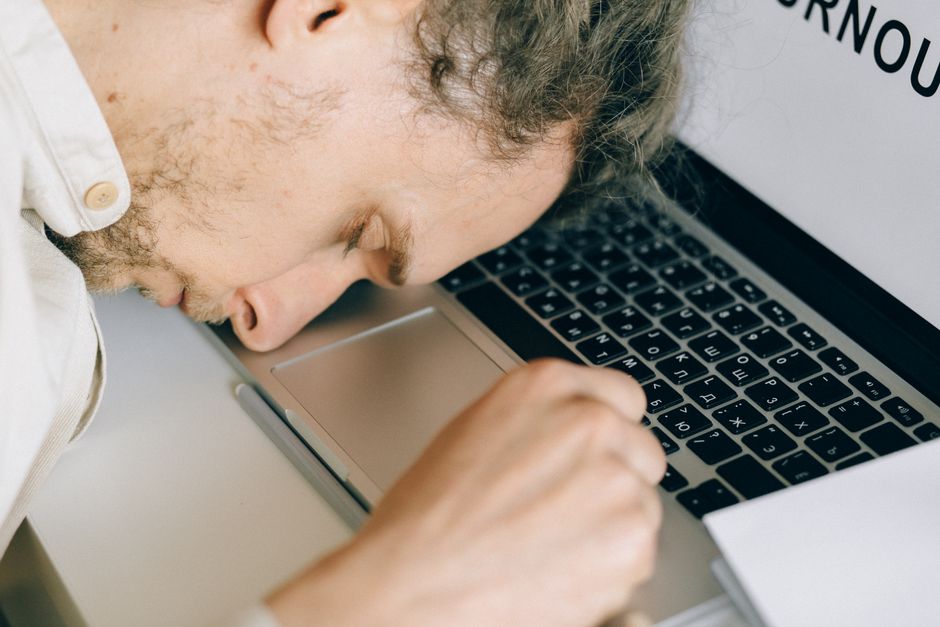
Yes, sleep deprivation can cause anxiety, and the relationship works in both directions. Poor sleep raises emotional reactivity and makes the brain more sensitive to perceived threats, which can trigger or worsen anxiety symptoms. At the same time, anxiety often makes it harder to fall asleep or stay asleep, creating a cycle that is difficult to break without addressing both issues together.
How Does Lack of Sleep Trigger Anxiety?
Sleep and anxiety share the same brain circuits. When you do not get enough sleep, the amygdala — the brain region that processes fear and threat — becomes more reactive. At the same time, the prefrontal cortex, which helps regulate emotional responses, becomes less active. This combination means your brain reacts more strongly to stressful situations while having a harder time calming itself down.
Research consistently shows that even one night of partial sleep deprivation increases emotional reactivity the next day. Studies using brain imaging have found that sleep-deprived individuals show exaggerated amygdala responses to negative images compared to well-rested individuals. This is not just a feeling of being tired — it is a measurable change in how the brain processes emotion.
Sleep deprivation also affects the body’s stress systems. Cortisol, the primary stress hormone, follows a daily rhythm that depends on healthy sleep. When sleep is short or fragmented, cortisol levels can stay elevated, keeping the body in a state of low-grade alertness. This physical state can feed anxious thoughts and make relaxation feel difficult.
Can Sleep Deprivation Cause an Anxiety Disorder?
Sleep deprivation alone does not cause a clinical anxiety disorder in someone with no other risk factors. However, it can trigger the first episode of anxiety in people who are already vulnerable, and it can make existing anxiety significantly worse.
Long-term sleep problems are considered a risk factor for developing anxiety disorders. Some research suggests that people with chronic insomnia have higher rates of anxiety disorders than people who sleep well. The exact direction of this relationship is hard to pin down because anxiety itself disrupts sleep, but the evidence points to a genuine two-way connection.
If you have never experienced anxiety before, a few bad nights of sleep will not give you an anxiety disorder. But if you carry genetic risk, have a history of anxious thinking, or are under significant life stress, chronic sleep deprivation can push you over the threshold. Sleep is not the whole story, but it is a major piece of it.
What Does Sleep Deprivation Anxiety Feel Like?
Sleep-deprived anxiety often feels different from general anxiety. It tends to be more physical and less tied to specific worries. You might feel restless, tense, or on edge without knowing exactly why. Your heart might race, your palms might sweat, and your stomach might feel unsettled.
Mentally, sleep deprivation makes it harder to control intrusive thoughts. A small concern can feel enormous at 2 a.m. after a poor night of sleep. This is because the brain’s emotional regulation systems are running at reduced capacity, so thoughts spiral more easily and are harder to redirect.
Cognitive symptoms are also common. You may feel mentally foggy, have trouble concentrating, or find that your mind goes blank in conversations. These symptoms can create a secondary layer of anxiety — worrying about your own mental performance — which adds to the original stress.




How Much Sleep Do You Need to Protect Against Anxiety?
Most adults need between seven and nine hours of sleep per night, according to the American Academy of Sleep Medicine. This is a general guideline based on extensive research, but individual needs vary. Some people function well on seven hours, while others need closer to nine.
The key protective factor is consistency. A single night of seven hours followed by a night of five hours is more disruptive than getting seven hours every night. Your brain and body rely on predictable sleep patterns to regulate stress hormones and emotional processing.
Quality matters as much as quantity. Sleep that is frequently interrupted, even if you spend enough hours in bed, does not provide the same restorative benefit. Deep sleep and REM sleep both play roles in emotional regulation, and both are reduced when sleep is fragmented.
Does Catching Up on Sleep Reverse Anxiety Symptoms?
For most people, yes. Anxiety symptoms caused by short-term sleep deprivation typically improve after one or two nights of adequate sleep. The amygdala returns to normal reactivity, cortisol rhythms reset, and emotional regulation improves.
However, the timeline is not always immediate. If you have been sleep-deprived for weeks or months, your body may need several days to fully recover. You may feel better after the first good night, but subtle effects on mood and anxiety can persist for a few days longer.
If you have an existing anxiety disorder, catching up on sleep will help but will not cure the anxiety. Sleep is a foundation for mental health, but clinical anxiety often requires additional treatment, such as cognitive behavioral therapy or medication. Improving sleep is an important part of the treatment plan, not a replacement for it.
How to Break the Sleep-Anxiety Cycle
Breaking the cycle requires addressing both sleep and anxiety together. Improving sleep will reduce anxiety symptoms, and reducing anxiety will make it easier to sleep. You do not have to fix one completely before starting on the other.
Start with sleep basics. Keep a consistent wake time every day, even on weekends. Get bright light exposure in the morning. Avoid caffeine after early afternoon. Keep your bedroom cool, dark, and quiet. These habits are simple, but they are the foundation of healthy sleep.
For anxiety specifically, try a structured worry period during the day. Set aside 15 minutes to write down your worries and set them aside. This prevents anxious thoughts from taking over at bedtime. Some research suggests that this technique reduces pre-sleep worry and shortens the time it takes to fall asleep.
If you lie awake for more than 20 minutes, get out of bed. Do something quiet and boring in dim light until you feel sleepy, then return to bed. This is a core component of cognitive behavioral therapy for insomnia, and it works by retraining your brain to associate bed with sleep rather than worry.
When to Seek Professional Help
Occasional anxious nights are normal and manageable. But you should seek professional help if sleep problems or anxiety symptoms last more than two weeks, if they interfere with your work or relationships, or if you find yourself avoiding daily activities because of anxiety.
You should also seek help if anxiety is accompanied by physical symptoms like chest pain, shortness of breath, or a racing heart that does not settle. These can be signs of an anxiety disorder, but they can also indicate a medical condition that needs evaluation.
If you have thoughts of harming yourself, contact a crisis line immediately. In the United States, you can call or text 988 to reach the Suicide and Crisis Lifeline. This service is free, confidential, and available 24/7.
Primary care doctors are a good first step. They can rule out medical causes of sleep problems, such as sleep apnea or thyroid conditions, and can refer you to a mental health specialist if needed. Cognitive behavioral therapy is the most evidence-based treatment for both insomnia and anxiety, and many therapists are trained in both.
Frequently Asked Questions
Can one night of no sleep cause anxiety?
Yes, even one night of total sleep deprivation increases emotional reactivity and anxious feelings the next day. These effects typically resolve after a full night of recovery sleep.
How long does it take for anxiety from sleep deprivation to go away?
Short-term anxiety symptoms usually improve after one or two nights of adequate sleep. If sleep deprivation has been chronic, full recovery may take several days or longer.
Does sleep deprivation cause panic attacks?
Sleep deprivation can make panic attacks more likely in people who are prone to them. It lowers the threshold for physical arousal, making the body more reactive to stress triggers.
Can fixing my sleep schedule cure my anxiety?
Fixing your sleep will reduce anxiety symptoms, but it may not cure a clinical anxiety disorder. Sleep is an important part of treatment, but persistent anxiety often requires professional support.
