
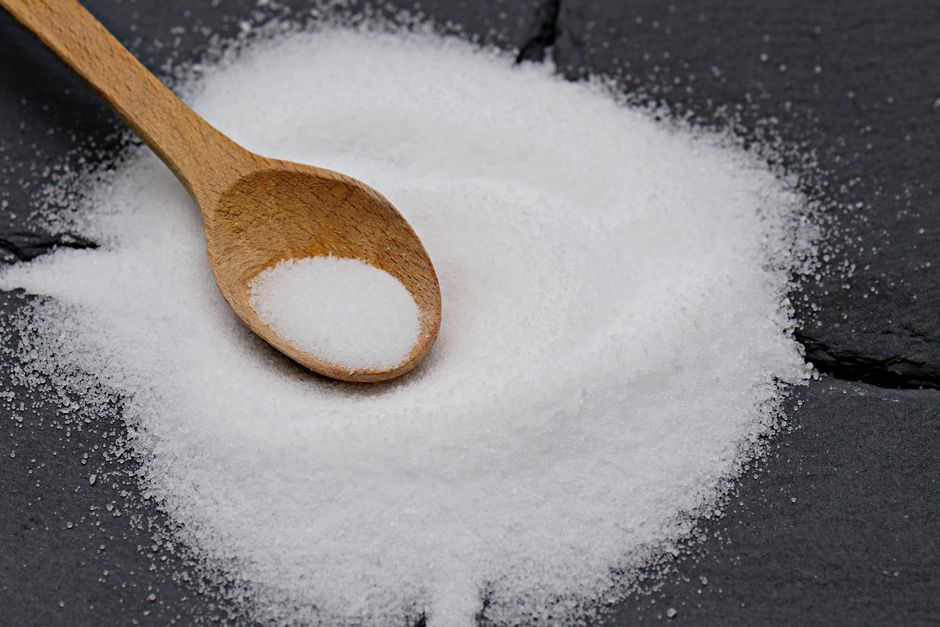
Sodium and blood pressure are connected, but the relationship is more nuanced than a simple cause-and-effect. For many people, eating too much sodium does raise blood pressure, and over time that can lead to hypertension. But not everyone responds to sodium the same way, and the science behind who is salt-sensitive and who is not is still being studied.
How Does Sodium Actually Raise Blood Pressure?
Sodium is an essential mineral. Your body needs it to maintain fluid balance, transmit nerve signals, and help muscles contract. The problem is not sodium itself — it is too much of it over a long period.
When you eat a high-sodium meal, your kidneys work to filter the excess out of your bloodstream. If they cannot keep up, sodium builds up in your blood. Because sodium attracts water, that extra sodium pulls water into your blood vessels. This increases the total volume of blood flowing through your arteries.
More blood volume means more pressure against your artery walls. Your heart has to work harder to push that larger volume around your body. Over months and years, that extra pressure damages the delicate lining of your arteries, making them stiff and narrow. Stiff arteries raise blood pressure even further, creating a cycle that is hard to break.
This is the core mechanism. It is well established in physiology and confirmed by decades of research. When sodium intake goes up, blood volume goes up, and blood pressure follows for most people.
What Does the Research Actually Show?
The link between sodium and high blood pressure is one of the most studied topics in nutrition. Large observational studies have consistently found that populations with higher sodium intake have higher average blood pressure. Clinical trials have confirmed that reducing sodium lowers blood pressure in most people.
One of the most influential studies was the DASH-Sodium trial, which tested different sodium levels while keeping other foods constant. Participants who ate a lower-sodium diet saw their blood pressure drop, and the effect was stronger in people who already had high blood pressure.
Research published in the New England Journal of Medicine and the British Medical Journal has supported these findings. The evidence is strong enough that major health organizations worldwide recommend limiting sodium to prevent and manage hypertension.
But here is the nuance: the size of the effect varies from person to person. Some people see a significant drop in blood pressure when they cut sodium. Others see only a small change. This variability is real and it matters for how you should think about your own diet.
What Is Salt Sensitivity and Do You Have It?
Salt sensitivity is the term researchers use to describe people whose blood pressure changes noticeably in response to sodium intake. If you are salt-sensitive, your blood pressure may rise several points after a salty meal and drop when you cut back.
Estimates suggest that roughly half of people with high blood pressure are salt-sensitive. Among people with normal blood pressure, the number is lower but still significant — around one in four.
Several factors increase your chances of being salt-sensitive. Age is one of the strongest. Older adults tend to have stiffer arteries and less efficient kidneys, which makes sodium harder to excrete. Black adults are also more likely to be salt-sensitive than white adults. People with diabetes, chronic kidney disease, or a family history of hypertension are at higher risk too.
There is no simple home test for salt sensitivity. The only reliable way to know is to track your blood pressure while changing your sodium intake for a week or two. If your numbers move noticeably, you are likely salt-sensitive. If they barely change, your body may be handling sodium well — at least for now.


How Much Sodium Is Too Much?
The Dietary Guidelines for Americans recommend limiting sodium to less than 2,300 milligrams per day for adults. That is about one teaspoon of salt. The American Heart Association goes further, suggesting an ideal limit of 1,500 milligrams per day for most adults, especially those with high blood pressure.
Most Americans eat far more than that. The average intake is around 3,400 milligrams per day, according to national survey data. That is roughly 50 percent above the upper limit.
It is important to understand where that sodium comes from. The salt shaker on your table is not the main culprit. About 70 percent of the sodium in the typical American diet comes from processed and restaurant foods. Bread, deli meats, canned soups, pizza, and fast food are among the biggest sources. Even foods that do not taste salty — like some cereals and baked goods — can be surprisingly high in sodium.
If you are trying to reduce sodium, reading labels matters more than putting away the salt shaker. A food is considered low in sodium if it has 140 milligrams or less per serving. Anything over 400 milligrams per serving is high.
Does Cutting Sodium Always Lower Blood Pressure?
For most people, reducing sodium does lower blood pressure, but the effect is modest. A typical reduction of about 1,000 milligrams per day lowers systolic blood pressure by roughly 5 to 6 mmHg in people with hypertension. In people with normal blood pressure, the drop is smaller — around 2 to 3 mmHg.
Those numbers may sound small, but they matter at the population level. A sustained drop of 5 mmHg in systolic blood pressure is associated with a significantly lower risk of stroke and heart attack.
However, some people see little or no benefit from cutting sodium. This is where the concept of salt resistance comes in. If your blood pressure does not respond to sodium changes, reducing your intake may not lower your numbers much. That does not mean sodium is harmless for you — it just means blood pressure is not the main way it affects you.
There is also some evidence that extremely low sodium intake — below 1,500 milligrams per day — may not be beneficial for everyone. Some studies have found a J-shaped relationship, where both very high and very low sodium intakes are associated with higher cardiovascular risk. This is debated, and the current consensus still favors moderate reduction for most people.
What Else Raises Blood Pressure Besides Sodium?
Sodium gets most of the attention, but it is far from the only factor. Potassium is the other half of the story. Potassium helps your kidneys excrete sodium and relaxes blood vessel walls. Most Americans eat too little potassium — the recommended intake is 3,400 milligrams per day for men and 2,600 for women, but average intake falls short.
Increasing potassium through foods like bananas, potatoes, leafy greens, and beans can lower blood pressure, especially in people who eat a lot of sodium. The DASH diet, which is rich in potassium, calcium, and magnesium, has been shown to lower blood pressure even without sodium restriction.
Other major contributors include excess body weight, heavy alcohol use, physical inactivity, and chronic stress. Sleep apnea is also a significant and often overlooked cause of high blood pressure.
If your blood pressure is high, sodium reduction is a reasonable first step. But it is not the only step. Addressing multiple risk factors at once is more effective than focusing on any single one.
How to Reduce Sodium Without Feeling Deprived
Cutting sodium does not mean eating bland food. The key is to shift your palate away from salt and toward other flavors — acid, spice, herbs, and umami-rich ingredients.
Practical changes that make a real difference:
- Cook more meals at home using fresh ingredients
- Rinse canned beans and vegetables to remove excess sodium
- Use citrus juice, vinegar, garlic, onion, and fresh herbs instead of salt
- Choose “no salt added” versions of canned goods when available
- Ask for sauces and dressings on the side when eating out
Be aware that your taste buds adapt. People who reduce sodium for several weeks often find that foods they used to enjoy now taste too salty. This adaptation is well documented and makes long-term reduction easier than most people expect.
Does Sodium Cause High Blood Pressure in Everyone?
No. Sodium does not cause high blood pressure in everyone. It raises blood pressure in most people to some degree, but the response varies widely. Some people can eat a high-sodium diet and maintain normal blood pressure for years. Others see their numbers climb quickly with even modest salt intake.
This variability is why blanket statements about sodium can be misleading. The honest answer is that sodium is a major risk factor for high blood pressure, not a guaranteed cause. Genetics, kidney function, age, and other dietary factors all influence how your body handles sodium.
If you have high blood pressure, reducing sodium is one of the most evidence-based dietary changes you can make. If your blood pressure is normal, keeping sodium in check is still wise, especially as you age and your risk of salt sensitivity increases.
Frequently Asked Questions
How quickly does sodium raise blood pressure?
Blood pressure can rise within hours of a high-sodium meal and stay elevated for a day or more. The effect is temporary, but repeated high-sodium days keep pressure chronically elevated.
Can cutting sodium reverse high blood pressure?
For some people, reducing sodium can bring blood pressure back to normal without medication. For others, diet changes alone are not enough and medication is still needed.
Is sea salt better than table salt for blood pressure?
No. Sea salt and table salt contain nearly the same amount of sodium by weight. The small amounts of trace minerals in sea salt have no meaningful effect on blood pressure.
How much sodium should I eat if I have high blood pressure?
Most guidelines recommend limiting sodium to less than 2,300 milligrams per day, with an ideal target of 1,500 milligrams for people with hypertension. Talk to your doctor about what target makes sense for you.
