
A blood pressure reading of 134/88 mmHg is not normal. It falls into the range doctors call elevated or stage 1 hypertension, depending on which guideline you use. The top number (systolic) is above the normal threshold, and the bottom number (diastolic) is also above the ideal range. This reading means your blood pressure is higher than it should be, and it is worth paying attention to now, before it climbs further.
What Do the Numbers 134 and 88 Actually Mean?
Blood pressure is recorded as two numbers. The top number, 134, is your systolic pressure. This measures the force of blood against your artery walls when your heart beats and pushes blood out. The bottom number, 88, is your diastolic pressure. This measures the pressure in your arteries when your heart rests between beats.
Both numbers matter. A high systolic number is a strong predictor of heart disease risk, especially in people over 50. But a high diastolic number is also significant. In younger adults, elevated diastolic pressure is often the first sign that blood pressure is trending upward.
The reading 134/88 means both numbers are above the normal range. Normal blood pressure is defined as less than 120/80 mmHg. Your systolic is 14 points above normal, and your diastolic is 8 points above normal.
Is 134 88 Blood Pressure Normal Or Too High? The Guidelines
The answer depends on which clinical guideline your doctor follows. The American College of Cardiology and the American Heart Association updated their guidelines in 2017. Under these guidelines, 134/88 is classified as stage 1 hypertension.
Here is how the current guidelines break down blood pressure categories:
- Normal: Less than 120/80 mmHg
- Elevated: Systolic 120-129 and diastolic less than 80
- Stage 1 hypertension: Systolic 130-139 or diastolic 80-89
- Stage 2 hypertension: Systolic 140 or higher or diastolic 90 or higher
- Hypertensive crisis: Systolic over 180 and/or diastolic over 120
Your reading of 134/88 fits squarely into stage 1 hypertension. The older guideline, from the Joint National Committee, used 140/90 as the threshold for treatment. Under that older system, 134/88 would be called prehypertension. Most US doctors now use the 2017 ACC/AHA guidelines, so they would classify your reading as stage 1 hypertension.
The category matters less than what you do with the information. The key takeaway is that 134/88 is not normal, and it is a signal to take action.
What Causes a Reading Like 134/88?
Blood pressure is influenced by many factors. Some are within your control. Others are not.
Diet plays a major role. High sodium intake causes your body to retain fluid, which increases blood volume and raises pressure. The average American consumes far more sodium than the recommended limit. Processed foods, restaurant meals, and canned goods are the biggest sources, not the salt shaker on your table.
Body weight is another major factor. Excess weight increases the workload on your heart and raises resistance in your blood vessels. Even modest weight loss can produce a measurable drop in blood pressure.
Other contributing factors include lack of physical activity, excessive alcohol consumption, chronic stress, and poor sleep. Sleep apnea is a common and often undiagnosed cause of elevated blood pressure. If you snore heavily or feel exhausted despite sleeping, this is worth discussing with your doctor.
Some causes are not lifestyle-related. Age naturally stiffens arteries over time. Family history matters. Certain medications, including NSAID pain relievers, decongestants, and some birth control pills, can raise blood pressure. Kidney disease and thyroid disorders can also cause hypertension.
Is a Single Reading of 134/88 Enough for a Diagnosis?
No. One reading alone does not confirm a diagnosis of hypertension. Blood pressure fluctuates throughout the day. It rises with physical activity, stress, and even the simple act of talking. It falls during sleep.
A single clinic reading can also be artificially high. This is so common it has a name: white coat hypertension. Some people experience anxiety in a medical setting, and their blood pressure spikes in response. If your reading was taken in a clinic, there is a real chance it does not reflect your typical daily pressure.
The opposite also exists. Masked hypertension occurs when clinic readings are normal but home readings are high. This is more common than people realize and is one reason home monitoring is valuable.
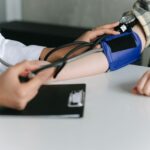
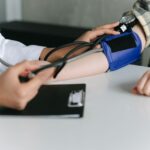
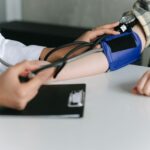
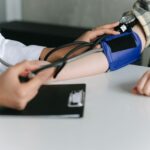
To confirm a diagnosis, doctors typically look for elevated readings on multiple occasions. They may ask you to check your blood pressure at home with a validated home monitor. Some doctors recommend 24-hour ambulatory monitoring, where a device takes readings every 15 to 30 minutes over a full day. This gives the most accurate picture of your true average blood pressure.
What Should You Do If Your Blood Pressure Is 134/88?
If you took this reading at home, do not panic. But do not ignore it either. Take a few more readings over the next week. Measure at the same time each day, ideally in the morning before eating or taking medication, and again in the evening.
Use a validated home blood pressure monitor. Not all monitors on the market are accurate. The American Medical Association maintains a list of validated devices. Look for a monitor with an upper arm cuff. Wrist monitors are less reliable.
Sit quietly for five minutes before measuring. Place the cuff on bare skin, not over clothing. Rest your arm on a flat surface at heart level. Do not talk during the measurement. Take two or three readings one minute apart and record the average.
If your home readings consistently show 134/88 or higher, schedule an appointment with your doctor. Do not start treatment on your own. Your doctor will review your overall cardiovascular risk, which includes your age, cholesterol levels, smoking status, and whether you have diabetes. This risk assessment determines whether lifestyle changes alone are enough or whether medication is warranted.
Lifestyle Changes That Can Lower Blood Pressure
For stage 1 hypertension without other major risk factors, doctors typically recommend lifestyle changes first. These are not vague suggestions. They are specific interventions with measurable effects.
Reduce sodium. The American Heart Association recommends limiting sodium to no more than 2,300 mg per day, with an ideal limit of 1,500 mg for most adults with elevated blood pressure. Read nutrition labels. A single serving of many processed foods contains a third or more of that daily limit.
Follow the DASH diet. The Dietary Approaches to Stop Hypertension eating plan emphasizes fruits, vegetables, whole grains, lean protein, and low-fat dairy. It is rich in potassium, calcium, and magnesium, which help regulate blood pressure. Research consistently shows the DASH diet can lower systolic pressure by several points within weeks.
Increase physical activity. The American Heart Association recommends at least 150 minutes of moderate-intensity aerobic activity per week. That is 30 minutes a day, five days a week. Brisk walking, cycling, and swimming all count. Regular aerobic exercise can lower systolic blood pressure by roughly 5 to 8 mmHg.
Limit alcohol. If you drink, limit yourself to no more than two drinks per day for men and one for women. Heavy drinking raises blood pressure directly.
Manage stress. Chronic stress keeps blood pressure elevated through sustained activation of your sympathetic nervous system. Deep breathing, meditation, and adequate sleep all help. Sleep is often overlooked. Most adults need seven to nine hours per night.
Quit smoking. Each cigarette causes an immediate spike in blood pressure. Quitting does not reverse all vascular damage, but it stops the repeated spikes and reduces overall cardiovascular risk substantially.
When Is Medication Needed for 134/88?
Not everyone with a reading of 134/88 needs medication. The decision depends on your overall cardiovascular risk, not just the numbers on the monitor.
Under current guidelines, medication is recommended for stage 1 hypertension if you have existing cardiovascular disease, chronic kidney disease, diabetes, or a high estimated risk of heart attack or stroke. If you are otherwise healthy with no additional risk factors, your doctor may recommend lifestyle changes alone for three to six months before considering medication.
This is a decision you should make with your doctor. Do not self-prescribe or stop any prescribed medication without medical supervision. Antihypertensive medications are effective, but they require proper selection and monitoring. The goal of treatment is to reduce blood pressure to below 130/80 in most adults.
What Happens If High Blood Pressure Goes Untreated?
Untreated hypertension damages your body silently. It rarely causes symptoms until significant damage has already occurred. This is why it is often called the silent killer.
High blood pressure forces your heart to work harder than it should. Over time, the heart muscle thickens. This increases your risk of heart failure. The added pressure also damages the inner lining of your arteries, making them stiff and narrow. This accelerates atherosclerosis, the buildup of plaque that causes heart attacks and strokes.
The kidneys are especially vulnerable. They filter your blood through millions of tiny blood vessels. High pressure damages these vessels over time, reducing kidney function. Kidney disease from hypertension is a leading cause of end-stage kidney disease requiring dialysis.
Your brain is affected too. Hypertension damages the small blood vessels in the brain, increasing the risk of stroke and contributing to cognitive decline. A reading of 134/88 represents a modest elevation, but the damage from hypertension is cumulative. The longer it goes unaddressed, the greater the risk.
Frequently Asked Questions
Is 134/88 blood pressure dangerous?
It is not an emergency, but it is not normal. It falls into stage 1 hypertension and increases your long-term risk of heart disease and stroke if left untreated.
How many times should I check my blood pressure before seeing a doctor?
Take readings twice a day for about a week before calling your doctor. If you get consistent readings at or above 130/80, schedule an appointment.
Can I lower 134/88 blood pressure without medication?
Many people can, through sodium reduction, the DASH diet, regular exercise, and weight loss. Whether medication is needed depends on your overall cardiovascular risk, which your doctor must assess.
Is home blood pressure monitoring as accurate as a doctor’s office reading?
Home readings are often more accurate because they avoid white coat hypertension. Use a validated upper arm monitor and follow proper measurement technique for reliable results.
