

Standing up can make your blood pressure rise for a few seconds, and for most people, that is completely normal. Your body has to quickly adjust to gravity pulling blood into your legs, and that adjustment often causes a brief spike in pressure before your system settles. However, if your blood pressure stays high while you stand, or if it spikes dramatically every time you get up, there may be a specific underlying reason worth investigating.
What Causes High Blood Pressure When Standing
The short answer is gravity and a rapid nervous system response. When you stand, blood pools in your lower body because gravity pulls it down. Your body detects this shift and immediately narrows blood vessels in your legs and abdomen to push blood back up to your heart and brain.
This process is called the baroreflex. It is a fast, automatic response controlled by sensors in your neck and chest. When those sensors detect a drop in blood volume returning to the heart, they signal the nervous system to squeeze blood vessels tighter. That squeeze raises blood pressure quickly.
In most people, this spike lasts only a few seconds. The body then recalibrates and blood pressure returns to a normal resting level. If the spike lasts longer, or if your resting blood pressure while standing is consistently higher than while sitting or lying down, that points to a different issue.
Orthostatic Hypertension: When Standing Raises Pressure Too Much
Some people have a condition called orthostatic hypertension. This means blood pressure goes up significantly when you stand, rather than staying stable or dropping slightly. It is the opposite of orthostatic hypotension, which is a drop in blood pressure upon standing.
There is no single agreed-upon cutoff for what counts as orthostatic hypertension, but many clinicians look for a rise in systolic pressure of 20 mmHg or more within a few minutes of standing. Some definitions also include a diastolic rise of 10 mmHg or more.
This condition is more common in older adults and in people who already have high blood pressure. Some research suggests it may be linked to stiffer blood vessels, which cannot expand as easily when blood pools in the legs. Instead of letting the blood settle, stiff vessels overreact and push pressure too high.
Why Your Body Overreacts to Standing
Several mechanisms can cause an exaggerated blood pressure response to standing. The most common is an overactive sympathetic nervous system. This is the branch of your nervous system that handles the fight-or-flight response. When it is overly sensitive, even a small change in posture can trigger a strong surge of blood vessel tightening.
Another factor is blood volume. If you are dehydrated, your blood volume is lower than normal. Your body has to work harder to maintain pressure, and it may overcorrect. This can produce a spike in pressure that lasts longer than the normal few-second adjustment.
Medications are also a common cause. Some blood pressure drugs, especially those that relax blood vessels, can cause an exaggerated response when you stand. Other medications, including certain antidepressants and prostate medications, can affect the baroreflex and change how your body responds to posture changes.
Age plays a role too. Blood vessels naturally become stiffer over time. A younger vessel expands and contracts easily. An older vessel is less flexible, so the nervous system has to push harder to maintain blood flow, which can drive pressure higher.


How to Tell If Your Blood Pressure Is Rising When You Stand
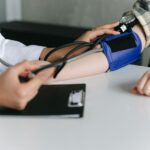
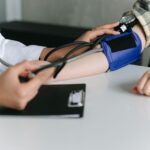
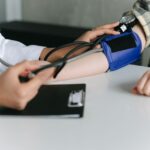
The only reliable way to know is to measure it. A single reading taken while sitting does not tell you what happens when you stand. To check for orthostatic changes, you need to measure blood pressure in three positions: lying down, sitting, and standing.
The standard approach is to rest lying down for at least five minutes, then take a reading. Then sit up and take another reading within one to two minutes. Then stand and take a reading within one to two minutes of standing. Some clinicians also take a third standing reading after three minutes.
If you want to check this at home, use a validated home blood pressure monitor. Take readings at the same time each day. Keep a log of the numbers and your position for each reading. Share this log with your doctor rather than trying to interpret it yourself.
Home monitors can be inaccurate if the cuff is the wrong size or if you do not position your arm correctly. Your arm should be supported at heart level. Your feet should be flat on the floor. Do not talk during the reading.
When a Spike Is Normal and When It Is Not
A brief rise in blood pressure when you first stand is expected. Your body needs a moment to adjust. Most people see their pressure return to baseline within 30 to 60 seconds.
What is not normal is a sustained rise. If your blood pressure stays elevated for several minutes after standing, or if it rises every time you stand throughout the day, that is worth discussing with a doctor. The same applies if you feel dizzy, lightheaded, or faint when you stand, even if your blood pressure reading looks high.
It is also possible to have both high and low readings at different times. Some people experience a drop in pressure immediately upon standing, followed by a rebound spike. This pattern can be confusing and is best evaluated with repeated measurements taken by a healthcare professional.
What Doctors Look For When Evaluating This
A doctor will start by taking a detailed history. They will ask about your medications, your typical fluid intake, and whether you have symptoms like dizziness or fainting. They will also check for conditions that affect the autonomic nervous system, which controls the baroreflex.
Blood tests may be ordered to check for anemia, thyroid problems, or electrolyte imbalances. These conditions can all affect blood pressure regulation. An electrocardiogram may be done to check heart rhythm.
In some cases, a doctor may recommend a tilt table test. This test involves lying on a table that tilts you from lying to standing position while your heart rate and blood pressure are monitored continuously. It provides a controlled way to see exactly how your body responds to posture changes.
Treatment depends on the underlying cause. If a medication is causing the problem, a doctor may adjust the dose or switch to a different drug. If dehydration is a factor, increasing fluid intake may help. If the issue is an overactive nervous system, certain blood pressure medications may be prescribed to calm that response.
Lifestyle Factors That Affect Standing Blood Pressure
Hydration is one of the most important factors. Even mild dehydration reduces blood volume, which forces your body to work harder when you stand. Drinking enough water throughout the day, especially if you are active or live in a hot climate, can reduce the severity of pressure spikes.
Physical activity helps keep blood vessels flexible. Regular aerobic exercise, like walking or cycling, trains blood vessels to expand and contract more easily. This can reduce the exaggerated response to standing over time.
Alcohol can worsen blood pressure instability. It dehydrates the body and can interfere with the nervous system’s ability to regulate pressure. If you notice worse spikes after drinking, reducing alcohol intake may help.
Salt intake is more complicated. For some people, higher salt intake helps maintain blood volume and reduces symptoms. For others, especially those with existing hypertension, high salt intake is harmful. Do not change your salt intake without talking to a doctor first.
Frequently Asked Questions
Is it dangerous if my blood pressure spikes when I stand up?
A brief spike that resolves quickly is not dangerous for most people. A sustained rise every time you stand may indicate orthostatic hypertension and should be evaluated by a doctor.
Can dehydration cause high blood pressure when standing?
Yes, dehydration reduces blood volume and can cause your body to overreact when you stand. Rehydrating often reduces the severity of these spikes.
What is a normal blood pressure response to standing?
A small rise for a few seconds is normal, followed by a return to your baseline reading within about a minute. A sustained rise of 20 mmHg or more in systolic pressure is considered abnormal by many clinicians.
Should I take my blood pressure lying down or standing?
Both positions provide useful information, but they measure different things. Sitting and lying readings reflect your resting pressure, while standing readings reveal how your body handles posture changes.
