
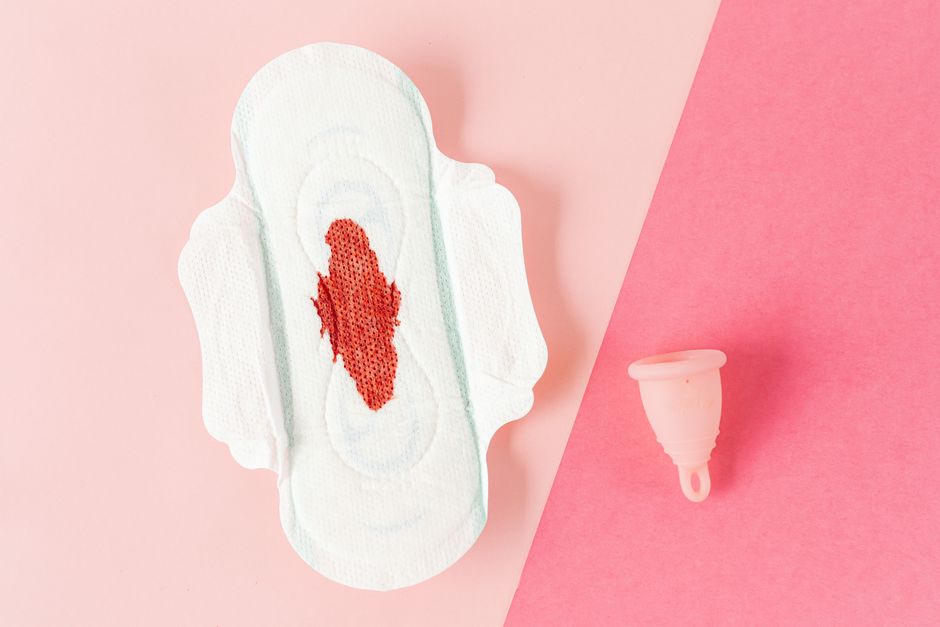
Your period can affect your blood pressure, but usually not in the way you might think. For most women, blood pressure readings taken during menstruation are not dramatically different from readings taken at other times of the month. However, hormonal shifts before and during your period can influence your body’s fluid balance and blood vessel function, which can lead to small changes in blood pressure. The bigger concern is how period symptoms like pain, stress, and sleep loss can temporarily push your numbers up.
How Your Menstrual Cycle Affects Blood Pressure
Your blood pressure is not a fixed number. It changes throughout the day based on activity, stress, hydration, and even your breathing. Your menstrual cycle adds another layer of variation because the hormones estrogen and progesterone rise and fall in predictable patterns.
During the luteal phase — the week or two before your period — progesterone levels peak. Progesterone can cause your body to retain sodium and water. This extra fluid can increase blood volume slightly, which may push blood pressure up a small amount. Some women also notice more bloating and breast tenderness during this time, which are signs of the same fluid retention.
When your period actually starts, estrogen and progesterone levels drop sharply. This sudden change can affect blood vessel tone. Blood vessels may constrict or relax differently, and some women experience headaches or fatigue as a result. These shifts are usually modest, and most healthy women will not see a concerning change on a blood pressure monitor.
Can Your Period Cause Your Blood Pressure To Be High
The short answer is that your period can cause temporary elevations in blood pressure, but these are usually small. Research on this topic shows mixed results. Some studies have found that blood pressure tends to be slightly higher during the luteal phase and early menstrual phase. Other studies have found no significant difference across the cycle.
What is more established is that severe period pain can raise blood pressure. Pain triggers a stress response in your body. Your heart rate increases, blood vessels constrict, and your body releases stress hormones like cortisol and adrenaline. All of these can cause a temporary spike in blood pressure. If you are in significant pain from cramps, your reading may be higher than your usual baseline.
Stress and poor sleep during your period can also contribute. Many women report difficulty sleeping in the days before and during their period. Poor sleep has a well-documented association with higher blood pressure. If you are exhausted, cramping, and stressed, a single high reading may not reflect your typical blood pressure.
When to Be Concerned About a High Reading
A single high blood pressure reading during your period is not automatically a reason to panic. Blood pressure naturally fluctuates throughout the day. It is higher when you are active, stressed, or in pain. It is lower when you are resting or sleeping.
Blood pressure is classified as elevated when it is consistently at or above 120/80 mmHg. Hypertension is diagnosed when readings are consistently at or above 130/80 mmHg. These numbers are based on multiple readings taken on separate occasions, not one measurement during a painful period.
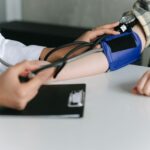
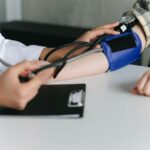
If you take your blood pressure at home and get a high reading while you have cramps, wait until the pain subsides and take it again. Sit quietly for five minutes before measuring. Do not drink caffeine or exercise in the 30 minutes beforehand. If your reading returns to your normal range, the elevation was likely related to the pain or stress of the moment.
If your blood pressure remains high after your period ends, or if you consistently get high readings at home, talk to your doctor. This is especially important if you have other symptoms like headaches, vision changes, or chest pain.
Blood Pressure and Birth Control Pills
Hormonal birth control is a separate factor worth understanding. Combination birth control pills contain estrogen and progestin. These hormones can raise blood pressure in some women. This is not related to your natural menstrual cycle, but it can confuse the picture if you are checking your blood pressure around your period.
Most women on combination birth control do not develop high blood pressure. However, the risk is higher in women over 35 who smoke, and in women with a history of high blood pressure or kidney disease. If you are on the pill and notice your blood pressure creeping up, mention it to your doctor. Progestin-only options and non-hormonal methods are alternatives that do not carry the same blood pressure risk.
If you are tracking your blood pressure and your period at the same time, keep a log. Write down the date, where you are in your cycle, and any symptoms like pain or poor sleep. This information can help your doctor distinguish between a cycle-related fluctuation and a genuine blood pressure problem.
Can Premenstrual Syndrome or PMDD Raise Blood Pressure
Premenstrual syndrome (PMS) and premenstrual dysphoric disorder (PMDD) are conditions that cause physical and emotional symptoms in the week before your period. Common symptoms include irritability, anxiety, depression, fatigue, and food cravings. These symptoms can indirectly affect blood pressure.
Anxiety and stress activate your sympathetic nervous system. This is the “fight or flight” response. When it is activated, your heart beats faster and your blood vessels narrow. Over time, frequent activation of this system can contribute to higher blood pressure. If you experience severe PMS or PMDD, the stress of these symptoms may cause your blood pressure to run higher in the days before your period.
There is also some evidence that women with PMS have different stress responses than women without PMS. Some research suggests their bodies produce higher levels of stress hormones in response to the same triggers. This is an area of ongoing study, and the evidence is not definitive. What is clear is that managing stress and anxiety can help stabilize blood pressure regardless of the cause.
What You Can Do to Keep Blood Pressure Stable During Your Period
You can take practical steps to minimize blood pressure fluctuations around your period. These are general healthy habits that also happen to address the specific challenges of menstruation.
- Stay hydrated. Drinking enough water helps your kidneys flush excess sodium and fluid. This can reduce bloating and may help keep blood pressure in a normal range.
- Reduce salt intake. Sodium causes your body to hold onto fluid. Cutting back on salty snacks and processed foods in the week before your period can reduce fluid retention.
- Move your body. Light to moderate exercise like walking, swimming, or yoga can improve blood flow and reduce stress. Exercise also releases endorphins, which are natural pain relievers.
- Prioritize sleep. Aim for seven to nine hours of sleep per night, especially in the days before your period. Poor sleep is linked to higher blood pressure.
- Manage pain effectively. If cramps are raising your blood pressure, treat the pain. Over-the-counter nonsteroidal anti-inflammatory drugs (NSAIDs) like ibuprofen are commonly used for period pain. Follow the dosing instructions on the label and talk to your doctor if you need them regularly.
- Practice relaxation techniques. Deep breathing, progressive muscle relaxation, and mindfulness can lower your stress response. Even five minutes of slow breathing can bring your blood pressure down in the moment.
These habits will not cure high blood pressure if you have it. But they can help prevent temporary spikes and give you a more accurate picture of your true blood pressure.
When to See a Doctor
You should see a doctor if you have any of the following:
- Blood pressure readings consistently at or above 130/80 mmHg, measured at home on multiple occasions
- Severe headaches, especially if they occur with high readings
- Vision changes like blurring or seeing spots
- Chest pain or shortness of breath
- Period pain so severe that it interferes with daily life or requires you to miss work or school
These symptoms can indicate a real blood pressure problem or another medical condition that needs attention. Do not assume that period-related symptoms explain everything. A doctor can evaluate your blood pressure over time and determine whether your cycle is a factor or whether you need treatment.
If you are already diagnosed with high blood pressure, keep taking your medication as prescribed. Do not skip doses around your period. If you notice your readings trending higher during your cycle, bring your log to your next appointment. Your doctor may adjust your medication or recommend lifestyle changes to address the pattern.
Frequently Asked Questions
Can your period cause your blood pressure to be high?
Yes, your period can cause temporary blood pressure elevations, but these are usually small and return to normal after your period ends. Pain, stress, and poor sleep during menstruation are more likely to cause a spike than the hormonal changes themselves.
Is it normal to have high blood pressure during your period?
A single high reading during your period can happen, especially if you are in pain or stressed. It is only a concern if your blood pressure stays high after your period ends or if you consistently get high readings over time.
What is a normal blood pressure reading?
Normal blood pressure is below 120/80 mmHg. Readings at or above 130/80 mmHg are considered high and should be evaluated by a doctor, especially if they occur repeatedly.
Should I take my blood pressure medication during my period?
Yes, take your blood pressure medication exactly as prescribed every day, including during your period. If you notice a pattern of higher readings around your cycle, discuss it with your doctor rather than adjusting your medication yourself.
