
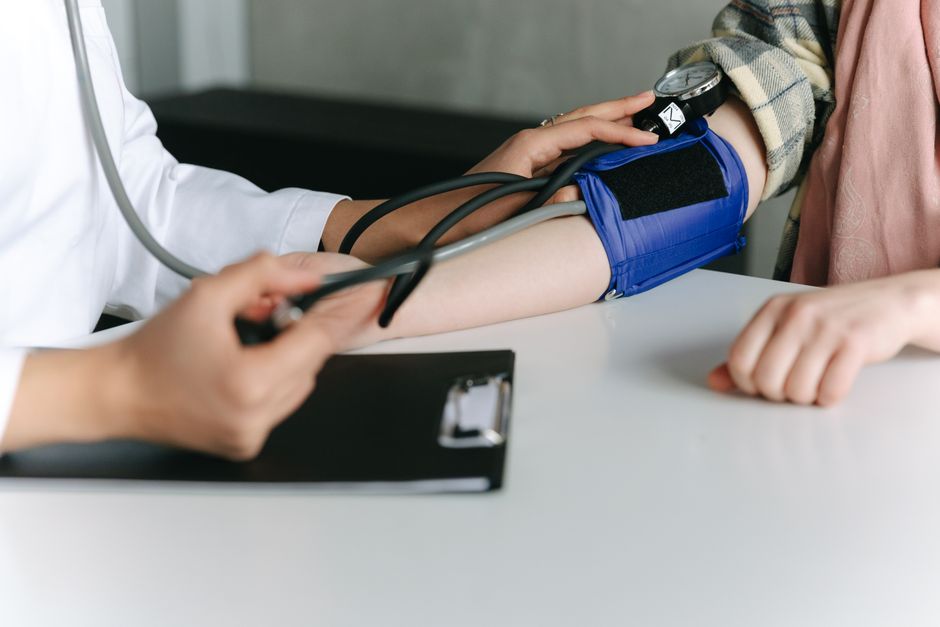
Waking up to a high blood pressure reading can be alarming, but it is actually a normal part of your body’s daily rhythm. For most people, blood pressure naturally rises in the early morning hours as the body prepares for the day ahead. This spike is usually temporary, but when the morning surge is excessive or sustained, it can signal an underlying health issue worth addressing.
What Causes Blood Pressure to Spike in the Morning?
Your body follows a 24-hour internal clock known as the circadian rhythm. In the hours before you wake, your body releases stress hormones like cortisol and adrenaline. These hormones increase your heart rate and narrow your blood vessels. The result is a natural rise in blood pressure that helps you transition from sleep to wakefulness.
This morning surge typically begins around 3 a.m. and peaks between 6 a.m. and 10 a.m. For most healthy people, the increase is modest and returns to normal within a few hours. However, for some, the spike is more dramatic and lasts longer. When that happens, doctors call it “morning hypertension” or an “excessive morning surge.”
Several factors can amplify this natural process. Dehydration overnight reduces blood volume, which can affect how your body regulates pressure. Sleep apnea causes repeated drops in oxygen during the night, triggering stress responses that elevate pressure. And the timing of your blood pressure medication matters — if you take it in the morning, it may have worn off by the next morning.
Why Is Blood Pressure High When I Wake Up: The Root Causes
When patients ask why their blood pressure is high in the morning, the answer usually involves one of four mechanisms. Understanding which one applies to you matters because the solutions differ.
1. The natural circadian surge. Your body is designed to raise blood pressure in the morning. This is not a problem in itself. It only becomes a concern when the surge is larger than normal or when your baseline pressure is already elevated.
2. Medication timing and duration. Many blood pressure medications last 24 hours, but not all of them do. If your medication wears off before your next dose, your pressure can climb overnight and peak in the morning. This is called the “gap effect” and is a common reason for morning hypertension.
3. Sleep-disordered breathing. Obstructive sleep apnea is strongly linked to morning hypertension. When breathing stops during sleep, oxygen levels drop. Your body responds by releasing stress hormones, which raise blood pressure. These episodes can happen dozens of times per hour, keeping your pressure elevated through the night and into the morning.
4. Salt sensitivity and fluid balance. Your kidneys regulate fluid and sodium overnight. If you consume a high-salt diet or have reduced kidney function, your body may retain more fluid. Extra fluid increases blood volume, which raises pressure. This effect is often most noticeable in the morning before your kidneys have had a chance to process the excess.
Is a Morning Surge Dangerous?
Research has linked an excessive morning surge to a higher risk of cardiovascular events. Heart attacks and strokes occur most frequently in the morning hours, between 6 a.m. and noon. The exact reason is not fully understood, but the combination of rising blood pressure, increased blood clotting, and changes in heart rhythm likely plays a role.
That said, a single high reading in the morning does not mean you are about to have a heart attack. The risk comes from a pattern of elevated morning pressure over time. It is the sustained elevation that damages blood vessels, not a single spike.
If your morning readings are consistently above 130/80 mmHg, it is worth discussing with your doctor. This is especially true if you also experience morning headaches, chest discomfort, or shortness of breath. These symptoms can indicate poorly controlled hypertension and warrant prompt evaluation.
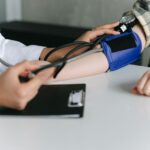
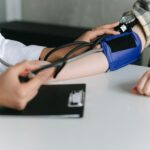
How to Measure Morning Blood Pressure Correctly
Before you conclude that your morning pressure is high, make sure you are measuring it properly. Incorrect technique is one of the most common reasons for falsely elevated readings.
Take your reading within one hour of waking. Use the bathroom first — a full bladder can raise your reading. Sit quietly for five minutes before measuring. Place the cuff on your bare arm at heart level. Do not drink coffee, exercise, or smoke before measuring.
Take two or three readings one minute apart and record the average. Do this for several consecutive days before drawing conclusions. A single high reading is not diagnostic. A pattern of high readings is what matters clinically.
If you are already on blood pressure medication, record whether you took it before or after the reading. This information helps your doctor determine if the timing of your medication needs adjustment.
What to Do About Morning Hypertension
The right approach depends on the underlying cause. There is no one-size-fits-all solution, but several strategies have solid evidence behind them.
Medication timing. Some studies suggest that taking blood pressure medication at bedtime rather than in the morning may better control nighttime and morning pressure. This approach is not right for everyone, and you should not change your medication schedule without talking to your doctor first. Some medications increase nighttime urination, which can disrupt sleep and create new problems.
Treating sleep apnea. If you have obstructive sleep apnea, using a CPAP machine can significantly reduce morning blood pressure. The effect is often substantial — some patients see their morning readings drop into a normal range within weeks of consistent use. If you snore heavily, wake up gasping, or feel unrefreshed in the morning, ask your doctor about a sleep study.
Evening hydration. Drinking water throughout the day helps maintain adequate blood volume. Dehydration triggers the release of vasopressin, a hormone that constricts blood vessels and raises pressure. Aim for consistent fluid intake rather than chugging large amounts right before bed, which can disrupt sleep with bathroom trips.
Reduce evening sodium. A high-salt dinner can contribute to morning fluid retention. Most Americans consume far more sodium than recommended. Reducing processed foods, restaurant meals, and packaged snacks will lower your sodium intake more effectively than simply not using the salt shaker.
Lifestyle Factors That Worsen Morning Readings
Several everyday habits can make morning hypertension worse. Alcohol is one of the most significant. Drinking alcohol in the evening can lower blood pressure initially but often causes a rebound increase in the early morning hours. This effect is more pronounced with heavier drinking.
Poor sleep quality raises morning pressure even in people without sleep apnea. Chronic short sleep — consistently getting less than seven hours — is associated with higher average blood pressure and a larger morning surge. Improving sleep hygiene can have a measurable effect on your readings.
Caffeine sensitivity varies widely between individuals. For some, morning coffee causes a temporary spike in blood pressure. This is usually harmless, but if your morning readings are consistently high, it is worth testing whether caffeine is a contributing factor. Measure your pressure before and 30 to 60 minutes after coffee to see if there is a meaningful difference.
Stress and anxiety also play a role. The anticipation of a stressful day can amplify the natural morning surge. This is not something you can simply “relax away,” but recognizing the connection can help you interpret your readings more accurately.
When to See a Doctor About Morning Blood Pressure
Schedule an appointment if your morning readings are consistently above 130/80 mmHg over several days. Bring your home log with you — dates, times, readings, and any notes about medication timing or sleep quality. This information is far more useful to your doctor than a single office reading.
Seek immediate medical attention if high morning readings are accompanied by severe headache, chest pain, shortness of breath, vision changes, or weakness on one side of the body. These symptoms can indicate a hypertensive emergency or stroke and should not be evaluated at home.
Your doctor may recommend a 24-hour ambulatory blood pressure monitor. This device takes readings every 20 to 30 minutes throughout the day and night. It provides a complete picture of your blood pressure pattern and helps distinguish true morning hypertension from white-coat effects or measurement errors.
Frequently Asked Questions
Is it normal for blood pressure to be higher in the morning?
Yes, a natural rise in blood pressure in the early morning hours is normal for most people. It becomes a concern only when readings are consistently elevated above 130/80 mmHg or when accompanied by symptoms.
Can sleep apnea cause high blood pressure in the morning?
Yes, obstructive sleep apnea is a well-established cause of morning hypertension. Repeated drops in oxygen during sleep trigger stress hormones that raise blood pressure through the night and into the morning.
Should I take my blood pressure medication at night instead of in the morning?
Some research suggests bedtime dosing may improve morning control, but this is not appropriate for everyone. Talk to your doctor before changing your medication schedule, as some medications can cause nighttime urination that disrupts sleep.
How long after waking should I measure my blood pressure?
Measure within one hour of waking, after using the bathroom and sitting quietly for five minutes. Take two or three readings one minute apart and record the average.
