
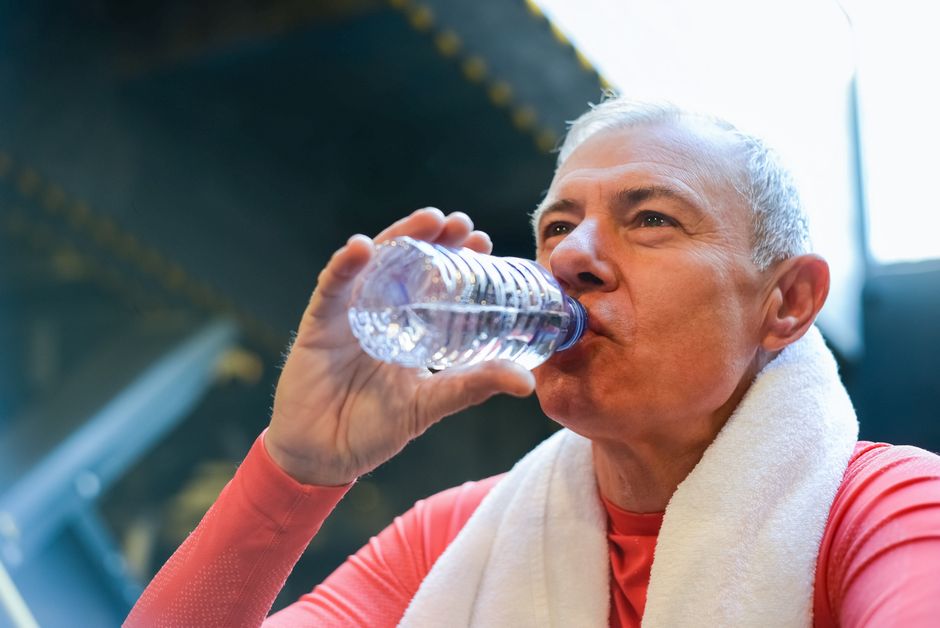
Drinking a glass of water can cause a very small, temporary rise in blood pressure in some people, but for most healthy adults, the effect is minor and not a cause for concern. The change typically lasts only a short time and is much smaller than the daily fluctuations everyone experiences from activity, stress, or even the time of day. For most people, staying well-hydrated is far more important for overall cardiovascular health than worrying about a tiny, fleeting change after a drink.
What Happens to Blood Pressure Right After Drinking Water?
Your blood pressure is not a fixed number. It changes constantly throughout the day based on your activity, posture, emotions, and what you eat or drink. When you drink water, several things happen in your body that can briefly influence these numbers.
One of the main effects is an increase in blood volume. Water is absorbed into your bloodstream, adding fluid to your veins and arteries. In theory, more fluid means more pressure on the vessel walls. However, your body is very good at regulating this. Your kidneys quickly adjust how much fluid they filter out, and your blood vessels can relax to accommodate the extra volume.
Another effect involves your nervous system. Drinking cold water can trigger a response in your sympathetic nervous system — the system responsible for your “fight or flight” response. This can cause a slight, temporary increase in heart rate and blood pressure. This is more noticeable in some people than in others.
For most healthy people, any rise in blood pressure after drinking water is small — often just a few points — and returns to baseline within 30 to 60 minutes. It is not a meaningful change in your overall health picture.
Does Water Lower Blood Pressure Instead?
The opposite question is also common. Some people wonder if drinking water can help lower blood pressure, especially if they are dehydrated.
Chronic dehydration can make blood pressure harder to control. When you are low on fluids, your blood volume drops, and your body may respond by constricting blood vessels to maintain pressure. This can lead to a drop in blood pressure when standing up, known as orthostatic hypotension, or it can make existing high blood pressure more difficult to manage.
Replacing lost fluids can help restore normal blood volume and improve blood pressure regulation. In a person who is dehydrated, drinking water can help bring blood pressure back to a more normal level. This is not the same as treating high blood pressure. Water is not a medication, and it does not lower blood pressure in someone who is already well-hydrated.
The key point is that water helps your body maintain balance. It does not act like a drug that pushes blood pressure in one direction or the other.
Who Might Notice a Bigger Change After Drinking Water?
Most people will not notice any change in their blood pressure after drinking water. But certain groups may be more sensitive to the effects of fluid intake.
Older adults often have stiffer blood vessels and a less responsive autonomic nervous system. Their bodies may not adjust to changes in blood volume as quickly. As a result, they may see a more noticeable, though still temporary, change in blood pressure after drinking a large glass of water.
People with autonomic nervous system disorders, such as those who experience dizziness upon standing, may have a more pronounced pressor response to water. In fact, some clinicians recommend drinking a glass of water before standing up to help prevent a sudden drop in blood pressure in these specific patients. This is a clinical strategy, not a general health recommendation.
People with kidney disease may not be able to clear extra fluid as efficiently. For them, drinking large amounts of water could lead to fluid retention, which can raise blood pressure over a longer period. This is why people with kidney conditions are often given specific fluid limits by their doctors.
If you have been told to limit your fluid intake by a doctor, follow that advice. Do not change your fluid habits based on general information about water and blood pressure.

How Much Water Is Too Much for Blood Pressure?
For a healthy adult with normal kidney function, there is no specific amount of water that is known to cause a dangerous spike in blood pressure. The body is highly efficient at managing fluid balance.
That said, drinking an enormous amount of water in a very short period — several liters within an hour — can be dangerous. This can cause a condition called hyponatremia, where the sodium in your blood becomes too diluted. This is a medical emergency, but it is very rare and typically occurs in endurance athletes or in cases of extreme, intentional water intake.
There is no clinical guideline that says “drink X amount of water to avoid raising blood pressure.” The general guidance for healthy adults is to drink when you are thirsty and to pay attention to the color of your urine. Pale yellow urine generally indicates adequate hydration. Dark urine suggests you may need more fluids.
For the vast majority of people, normal drinking habits — a glass with meals, a bottle at your desk, a drink after exercise — will not have any meaningful or lasting effect on blood pressure.
What Actually Causes a Lasting Rise in Blood Pressure?
If you are checking your blood pressure and seeing high numbers, water is unlikely to be the cause. The factors that drive sustained high blood pressure are different and more complex.
Dietary sodium is one of the strongest contributors to elevated blood pressure. A diet high in processed foods, restaurant meals, and added salt can push blood pressure up over time. This is why the Dietary Approaches to Stop Hypertension (DASH) diet emphasizes low sodium and high potassium intake.
Chronic stress and poor sleep also play a significant role. When your body is under constant stress, your blood pressure tends to stay elevated. Poor sleep quality has been linked to higher blood pressure readings, especially in people with conditions like sleep apnea.
Body weight is another major factor. Excess weight, particularly around the abdomen, increases the workload on your heart and raises blood pressure. Losing even a modest amount of weight can have a measurable effect on blood pressure readings.
If your blood pressure is consistently high — at or above 130/80 mmHg on repeated readings — talk to your doctor. The cause is much more likely to be related to your overall lifestyle, genetics, or an underlying medical condition than to your water intake.
How to Check Your Blood Pressure Accurately at Home
If you are tracking your blood pressure at home, how you measure it matters as much as what you measure.
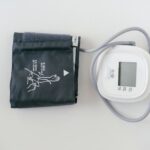
Sit quietly for five minutes before taking a reading. Do not talk, and do not have a full bladder, as this can raise your reading. Place the cuff on a bare arm at heart level. Take two or three readings a minute apart and record the average.
Do not take a reading immediately after drinking water, exercising, or drinking caffeine. Your body needs a few minutes to settle into a resting state. Consistency is the goal — measure at the same time each day, in the same conditions, so you can compare numbers meaningfully.
Home monitoring is a useful tool, but it does not replace a doctor’s assessment. If your readings are consistently elevated, bring your log to your next medical appointment.
When to Talk to Your Doctor About Blood Pressure
One high reading is not a diagnosis. Blood pressure naturally varies throughout the day, and a single elevated number can be caused by stress, a rushed morning, or even the “white coat effect” — the anxiety of being in a medical setting.
You should see a doctor if you are getting repeated readings of 130/80 mmHg or higher over several days or weeks. You should also seek medical attention promptly if you have symptoms such as severe headache, chest pain, shortness of breath, or vision changes along with high readings. These can be signs of a hypertensive emergency.
Do not attempt to manage high blood pressure on your own by changing your water intake or making other unverified lifestyle changes. Blood pressure management is a medical issue that deserves a doctor’s input. Medication, when prescribed, is effective and safe when taken as directed.
Frequently Asked Questions
Can drinking water cause a spike in blood pressure?
In some people, especially older adults, drinking water can cause a small temporary rise in blood pressure that lasts less than an hour. This is not considered a spike and is not dangerous for healthy people.
Should I avoid water before a blood pressure reading?
Yes, it is best to wait at least 30 minutes after drinking a large amount of water before taking a blood pressure reading. You should also avoid caffeine and exercise for the same period.
Does dehydration cause high blood pressure?
Dehydration can make blood pressure harder to regulate and may cause it to drop or become unstable, especially when standing. Replacing fluids helps restore normal blood pressure, but dehydration is not a primary cause of chronic high blood pressure.
