

Many people switch to decaf coffee to avoid the jitters or to protect their heart health. If you have high blood pressure, you might wonder if decaf is a truly safe alternative to regular coffee. The short answer is yes, decaf coffee has a much smaller effect on blood pressure than regular coffee, but it is not completely without influence. Understanding how caffeine and other compounds in coffee work can help you make an informed choice.
How Does Caffeine Raise Blood Pressure?
Caffeine is a stimulant that affects your central nervous system. When you drink a caffeinated beverage, caffeine blocks a chemical called adenosine. Adenosine normally promotes relaxation and sleepiness. When it is blocked, your body releases stress hormones like adrenaline.
These hormones cause your blood vessels to constrict. Narrower blood vessels mean your heart has to work harder to pump blood through them. This temporary increase in pressure is why a cup of regular coffee can cause a noticeable spike in blood pressure within 30 minutes to two hours after drinking it.
For people who do not drink caffeine regularly, this spike can be significant. For regular coffee drinkers, the body builds a tolerance to this effect over time. This means habitual coffee drinkers often see little to no long-term elevation in blood pressure from their daily cups.
Does Decaf Coffee Affect Blood Pressure?
Decaf coffee does not contain enough caffeine to cause the same dramatic spike in blood pressure. A typical cup of decaf contains anywhere from 2 to 15 milligrams of caffeine. A regular cup of coffee contains anywhere from 80 to 100 milligrams or more. That is a massive difference.
Because the caffeine content is so low, the adenosine-blocking effect is minimal. You are unlikely to get the adrenaline rush or the rapid blood vessel constriction that comes with regular coffee. For most people, drinking decaf will not cause a measurable short-term increase in blood pressure.
However, decaf coffee is not just water. It still contains hundreds of other plant compounds. Some of these compounds, like chlorogenic acid, may actually have a beneficial effect on blood pressure over the long term. The overall picture is that decaf is a safe choice for most people concerned about hypertension.
What Does the Research Say About Decaf and Blood Pressure?
Research on decaf coffee specifically is less extensive than research on regular coffee, but the evidence available is reassuring. Some studies have compared the effects of regular coffee, decaf coffee, and no coffee on blood pressure. These studies generally show that regular coffee causes a temporary increase in blood pressure, while decaf coffee does not.
Some research suggests that the long-term effects of coffee on blood pressure are neutral or even slightly positive. This is likely due to the antioxidant properties of coffee beans. These antioxidants can improve the function of your blood vessels over time, which may help lower blood pressure.
The evidence is not strong enough to say that decaf coffee lowers blood pressure. But the evidence is clear that it does not raise it in the way that regular coffee does. If you are looking to reduce your caffeine intake for blood pressure reasons, switching to decaf is a reasonable step.



Are There Other Compounds in Decaf That Matter?
Coffee is a complex beverage. It contains thousands of bioactive compounds. Caffeine is just one of them, and it happens to be the one with the most immediate and noticeable effect on the cardiovascular system.
Other compounds in coffee can affect blood pressure in different ways. Chlorogenic acid is one of the most studied. It is a type of antioxidant that may help regulate blood sugar and improve blood vessel function. Some research suggests that these compounds can have a mild blood pressure-lowering effect.
It is also worth noting that the decaffeination process itself can change the chemical profile of the beans. Some methods use water, some use organic solvents, and some use carbon dioxide. The Swiss Water Process and the CO2 method are popular because they do not leave chemical residues. The type of decaffeination process does not appear to significantly change the blood pressure effects of the final product.
Who Should Be Careful With Decaf Coffee?
Decaf is generally safe, but it is not for everyone. People with certain heart conditions may need to be more cautious. If you have an irregular heartbeat or a history of heart arrhythmias, even a small amount of caffeine can be a trigger for some individuals.
Pregnant women are often advised to limit caffeine intake. The American College of Obstetricians and Gynecologists suggests that pregnant women keep caffeine consumption under 200 milligrams per day. Decaf coffee falls well within this limit for most people. However, because no large trials have specifically tested decaf coffee in pregnant populations, it is always wise to discuss your coffee habits with your obstetrician.
Another consideration is the serving size. A decaf coffee at a café may contain more caffeine than a home-brewed cup. This is because the decaffeination process removes about 97% of the caffeine, but the exact amount varies by brand and brewing method. If you are highly sensitive to caffeine, you should still be mindful of how much decaf you drink.
How Does Decaf Compare to Regular Coffee for Blood Pressure?
If you are trying to manage your blood pressure, the choice between regular and decaf matters. Regular coffee causes a rapid, temporary increase in blood pressure. Decaf causes almost none. For people who drink multiple cups a day, switching to decaf can eliminate the repeated spikes in blood pressure throughout the day.
It is important to remember that blood pressure is not just about coffee. Your overall diet, salt intake, exercise habits, and stress levels play a much larger role in your blood pressure numbers than coffee does. A single cup of decaf is unlikely to undo the benefits of a healthy lifestyle.
If you are replacing regular coffee with decaf, you are making a meaningful change. You are removing a daily stimulant that causes temporary blood vessel constriction. This can be particularly helpful for people who are new to blood pressure medication or who are trying to avoid starting it.
Does Decaf Coffee Affect Blood Pressure Over the Long Term?
Long-term studies on coffee consumption and blood pressure have produced mixed results. This is partly because people who drink coffee often also have other habits that affect blood pressure, such as smoking or high stress levels. Isolating the effect of coffee alone is difficult.
What is known is that habitual caffeine consumption leads to tolerance. This means the blood pressure spike from regular coffee diminishes over time in regular drinkers. The same logic applies to decaf, though the spike is so small that tolerance is less relevant.
Some observational research suggests that long-term coffee drinkers have a slightly lower risk of developing hypertension compared to non-drinkers. This is not proof that coffee prevents high blood pressure. It is possible that people who drink coffee have other lifestyle factors that protect their heart. But it does suggest that coffee, including decaf, is not a major risk factor for chronic high blood pressure.
Practical Tips for Coffee Lovers With High Blood Pressure
If you enjoy coffee and have high blood pressure, you do not necessarily have to give it up entirely. Here are some practical points to consider:
- If you are sensitive to caffeine, switch to decaf or half-caff blends.
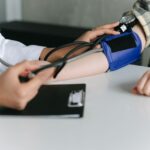
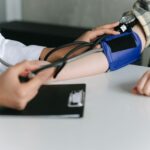
- Monitor your blood pressure at home after drinking coffee to see how your body responds.
- Do not add excessive sugar or cream, as these can contribute to weight gain and higher blood pressure.
- Stay hydrated. Dehydration can make blood pressure less stable.
No two people respond to coffee the same way. Some people feel a strong effect from a single cup of regular coffee. Others can drink espresso before bed without issue. Pay attention to your own body. If you notice that coffee makes your heart race or your blood pressure spike, decaf is a sensible alternative.
Frequently Asked Questions
Can decaf coffee still raise blood pressure?
Decaf coffee contains such a small amount of caffeine that it is unlikely to cause a significant rise in blood pressure for most people. The effect, if any, is minimal compared to regular coffee.
Is decaf coffee safe for people with hypertension?
Yes, decaf coffee is generally considered safe for people with high blood pressure. It does not cause the temporary spikes in blood pressure that regular caffeinated coffee does.
How much caffeine is in decaf coffee?
A typical cup of decaf coffee contains between 2 and 15 milligrams of caffeine. This is far less than the 80 to 100 milligrams found in a regular cup of coffee.
Should I switch from regular to decaf coffee?
Switching to decaf can help if you notice that regular coffee raises your blood pressure or makes you feel jittery. It is a reasonable step for reducing caffeine intake without giving up the taste of coffee.
