

Amiodarone is a powerful medication used to treat serious heart rhythm problems, and yes, it can affect blood pressure. The effect varies depending on how the drug is given. When administered intravenously in a hospital, amiodarone can cause a significant drop in blood pressure. When taken as a daily oral pill, its impact on blood pressure is usually much smaller, though it can still cause changes over time.
How Does Amiodarone Lower Blood Pressure?
Amiodarone works by slowing electrical signals in the heart. This helps control abnormal rhythms like atrial fibrillation or ventricular tachycardia. But the drug does not only act on the heart. It also affects blood vessels.
The intravenous form of amiodarone contains a solvent that relaxes blood vessels. This relaxation causes them to widen, which lowers blood pressure. In a hospital setting, doctors expect this effect and monitor patients closely. The drop can be rapid and significant, which is why IV amiodarone is only given under continuous medical supervision.
The oral form behaves differently. It is absorbed slowly and builds up in body tissues over weeks. Its blood pressure effects are less dramatic. Some patients experience a mild reduction in blood pressure, but this is not the drug’s main purpose. If you are taking oral amiodarone, your doctor will still check your blood pressure regularly, but a sudden dangerous drop is uncommon.
Does Amiodarone Cause Low Blood Pressure?
Low blood pressure, or hypotension, is a known side effect of IV amiodarone. Studies have shown that a meaningful percentage of patients receiving the drug intravenously experience a drop in blood pressure requiring treatment. This is why the drug is given slowly, often over hours, and why nurses check vital signs frequently.
For patients on the oral form, chronic low blood pressure is less common. However, it can happen. If you feel dizzy, lightheaded, or unusually tired while taking amiodarone pills, tell your doctor. These symptoms may indicate your blood pressure is running low. Do not stop the medication on your own. Stopping amiodarone suddenly can trigger a dangerous return of your heart rhythm problem.
Several factors increase the risk of low blood pressure with amiodarone. These include taking other blood pressure medications, having heart failure, or being dehydrated. Your doctor considers all of these before prescribing the drug.
Can Amiodarone Raise Blood Pressure?
Amiodarone is not typically associated with raising blood pressure. The more common blood pressure effect is a lowering of it. However, the drug can cause other side effects that indirectly influence blood pressure.
For example, amiodarone can affect thyroid function. Both an underactive thyroid and an overactive thyroid can develop while taking this medication. An overactive thyroid can raise blood pressure and heart rate. An underactive thyroid can cause fatigue and fluid retention, which may increase blood pressure in some people.
Because of this, doctors order regular blood tests to check thyroid function while you are on amiodarone. These tests usually happen every six months. If your blood pressure changes while on the drug, your doctor will likely check your thyroid levels as part of the evaluation.



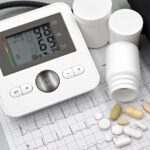

Amiodarone and Blood Pressure: What Patients Should Watch For
If you are starting amiodarone, especially the IV form, you will be in a monitored setting. That is the safest place to receive it. The medical team will watch your blood pressure, heart rate, and heart rhythm continuously. They can adjust the infusion rate if your blood pressure drops too low.
For patients taking the oral form at home, awareness is key. Common signs of low blood pressure include:
- Dizziness or lightheadedness when standing up
- Blurred vision
- Fatigue or weakness
- Nausea
- Difficulty concentrating
These symptoms do not always mean your blood pressure is low. They can also be side effects of amiodarone itself or other medications you take. The only way to know for sure is to check your blood pressure with a home monitor. If you have one, take readings at the same time each day and keep a log. Share this log with your doctor at each visit.
Do not adjust your amiodarone dose based on blood pressure readings. This drug controls your heart rhythm, and changing the dose without medical guidance is dangerous. Always consult your doctor first.
How Long Does Amiodarone Affect Blood Pressure?
The blood pressure effects of IV amiodarone are short-lived. Once the infusion stops, blood pressure usually returns to baseline within hours. The drug itself stays in the body much longer, but the acute blood pressure drop is tied to the infusion period.
Oral amiodarone has a very long half-life. This means it stays in your body for weeks or even months after you stop taking it. Its effects on blood pressure, if any, persist as long as the drug is in your system. This is an important point for patients switching medications. Even after stopping amiodarone, its effects on heart rate and blood pressure may linger.
Because amiodarone accumulates in tissues, it takes time to reach a steady level in the blood. Most doctors use a loading dose for the first few weeks, then reduce to a maintenance dose. Blood pressure effects may be more noticeable during the loading phase when drug levels are higher.
Amiodarone Interactions That Affect Blood Pressure
Amiodarone interacts with many other medications. Some of these interactions can cause blood pressure problems. This is why a complete medication list is essential before starting amiodarone.
Beta-blockers and calcium channel blockers are common heart medications. When combined with amiodarone, they can cause excessively slow heart rates and low blood pressure. Digoxin, another heart medication, reaches higher levels in the blood when taken with amiodarone. This can lead to toxicity, which may cause dangerous blood pressure changes.
Warfarin, a blood thinner, is also affected by amiodarone. Amiodarone increases warfarin levels, which raises bleeding risk. While this is not a direct blood pressure effect, it is a serious interaction that requires dose adjustments. Your doctor will check your blood thinner levels more frequently if you start amiodarone.
Some over-the-counter products also interact with amiodarone. Grapefruit juice can increase amiodarone levels in the blood. Cold medicines containing decongestants can raise blood pressure. Always ask your pharmacist before taking any new medication, supplement, or herbal product while on amiodarone.
When Blood Pressure Changes Are an Emergency
Most blood pressure changes with amiodarone are manageable. But some situations require immediate medical attention. Call emergency services or go to an emergency room if you experience:
- Fainting or passing out
- Chest pain or pressure
- Severe shortness of breath
- A heart rate below 50 beats per minute
- Sudden severe dizziness that does not improve
These symptoms can indicate a serious drop in blood pressure or a worsening heart rhythm problem. Do not wait to see if they pass. Emergency treatment can stabilize your blood pressure and heart rhythm quickly.
It is also worth noting that amiodarone can cause lung and liver problems in rare cases. These are not blood pressure issues, but they are serious. Report any new cough, wheezing, or yellowing of the skin or eyes to your doctor promptly.
Frequently Asked Questions
Can amiodarone cause low blood pressure?
Yes, especially when given intravenously. The IV form can cause a significant drop in blood pressure, which is why it is only given in a hospital with continuous monitoring.
Does oral amiodarone affect blood pressure?
Oral amiodarone has a smaller effect on blood pressure than the IV form. Some patients experience a mild reduction, but it is less common and usually not dangerous.
How long does amiodarone stay in your system?
Amiodarone has a very long half-life and can remain in the body for weeks or months after the last dose. Its effects on heart rate and blood pressure may persist during this time.
What should I do if I feel dizzy while taking amiodarone?
Sit down and check your blood pressure if you have a monitor. Tell your doctor about the episode, but do not stop taking amiodarone on your own, as this can trigger a dangerous heart rhythm problem.
