

Yes, blood pressure commonly rises with pain. That rise is usually temporary and driven by the body’s stress response, not by a new blood pressure disorder. The size of the increase depends on how intense the pain is, how long it lasts, and how much it bothers you.
Does Blood Pressure Rise With Pain?
Pain triggers a stress response. The nervous system releases hormones like adrenaline and cortisol, which tighten blood vessels and speed up the heart. Both actions push blood pressure up.
This is normal physiology, and it happens to almost everyone. A stubbed toe, a migraine, a burn, or a bad back spasm can all raise a reading. The effect is usually short-lived. Once the pain eases, blood pressure typically drifts back toward its usual range.
What matters more than the spike itself is the pattern. A brief rise during acute pain is expected. Blood pressure that stays high long after the pain is gone is a different issue and deserves its own evaluation.
How Pain Affects Blood Pressure Readings
Pain can distort a blood pressure reading in two ways. It can genuinely raise your pressure, and it can make a single measurement unreliable.
When you are hurting, you may also be tense, breathing shallowly, or clenching your muscles. Any of these can nudge a reading upward. That is one reason clinicians often wait until a patient is comfortable before trusting a number.
There is a practical point here that many people miss. A high reading taken during pain does not necessarily mean you have high blood pressure. It may only reflect the moment. One reading, especially a painful one, is rarely enough to diagnose anything.
Pain also affects sleep, mood, and activity. Poor sleep and ongoing stress can keep pressure elevated over time. So chronic pain can influence blood pressure through more than one route.
Acute Pain vs. Chronic Pain: Different Effects
Acute pain and chronic pain do not act the same way on the body.
Acute pain is sudden and short. It sets off a quick stress response. Blood pressure and heart rate climb, then settle as the pain fades. Think of a paper cut, a broken bone, or a kidney stone.
Chronic pain lasts weeks, months, or longer. The stress response is not a brief burst. It becomes a background state. Ongoing pain is linked with lasting stress, poor sleep, and reduced activity, all of which can work against healthy blood pressure over time.
The evidence on chronic pain and long-term blood pressure is not fully settled. Some studies suggest a link between persistent pain conditions and higher blood pressure. Others show a weaker or less consistent relationship. What is clear is that chronic pain harms quality of life and often disrupts sleep, and both of those matter for heart health.


What Does Blood Pressure Rise With Pain Feel Like?
Most people feel nothing at all. A pain-related rise in blood pressure usually causes no symptoms on its own.
That is a key point. High blood pressure is often called a silent condition because it rarely produces noticeable signs, even when it is high. A spike from pain is no different. You are more likely to notice the pain than the pressure.
When symptoms do appear with very high blood pressure, they can include headaches, shortness of breath, or chest discomfort. These are not reliable clues, though. Many conditions cause the same symptoms, and most people with elevated pressure feel entirely normal.
Because symptoms are unreliable, the only way to know your numbers is to measure them. Do not assume a headache or a tense neck means your pressure is high.
When to Take a Blood Pressure Reading During Pain
The timing of a measurement changes what it tells you.
If you want to know your true resting blood pressure, do not measure while you are in significant pain. Wait until the pain has eased and you have been sitting quietly for a few minutes.
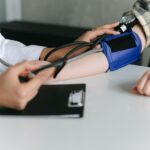
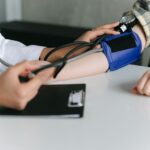
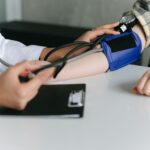
For a reading you can trust, standard practice is to sit still with your back supported, feet flat, and arm resting at heart level. Avoid caffeine, exercise, and smoking for a short period beforehand. Take more than one reading and average them.
If you are in pain and your reading is high, treat that number as a snapshot, not a verdict. Recheck later when you are comfortable. If it stays high across several calm readings on different days, that is worth a conversation with a clinician.
Does Treating Pain Lower Blood Pressure?
Relieving pain often brings a temporary pressure reading down, because you are removing the trigger. That is expected.
What is less certain is whether treating chronic pain produces lasting improvements in blood pressure. The evidence here is limited. Some studies suggest that better pain control and improved sleep may support healthier blood pressure over time, but this has not been firmly established in large trials.
It is also worth separating two things. Lowering a pain-driven spike is not the same as treating high blood pressure. If someone has genuinely high blood pressure, easing their pain will not replace the standard approaches used to manage it.
One caution: some pain medications can affect blood pressure. Certain nonsteroidal anti-inflammatory drugs (NSAIDs), including common over-the-counter options, can raise blood pressure with regular use. This is well documented. If you take these often and have high blood pressure, that is worth discussing with a clinician or pharmacist.
Pain, Stress, and the Body’s Alarm System
The link between pain and blood pressure runs through the body’s stress system, and understanding it helps explain why the effect is usually temporary.
When pain signals reach the brain, the body releases stress hormones. These hormones prepare you to react. The heart beats faster, blood vessels narrow, and pressure rises. This is the same response you get from fear or sudden exertion.
The system is built to switch on and then switch off. Once the threat, in this case the pain, passes, the hormones settle and pressure returns toward baseline. That is why acute pain rarely causes lasting problems in an otherwise healthy person.
The problem comes when the alarm never fully turns off. Ongoing pain, chronic stress, and poor sleep keep the system active. Over time, that constant background strain is not good for the heart or blood vessels. This is one reason chronic pain deserves real attention, not just for comfort but for overall health.
Does Blood Pressure Rise With Pain? Key Facts to Remember
Pain commonly raises blood pressure, but usually only briefly. Here is the core of it:
- Pain triggers a stress response that tightens blood vessels and speeds the heart, raising pressure.
- Acute pain causes a short spike that fades as the pain eases.
- Chronic pain keeps the stress response active and can affect blood pressure over time, though the evidence is not fully settled.
- A high reading taken during pain does not mean you have high blood pressure.
- Pain-related spikes usually cause no symptoms, so measuring is the only way to know your numbers.
- Some pain relievers, especially NSAIDs used regularly, can raise blood pressure.
The takeaway is simple. A pain-driven rise is normal and often temporary. What matters is what your pressure does when you are calm and comfortable. If it stays high, that is the signal to get it checked.
Frequently Asked Questions
Does blood pressure go up when you are in pain?
Yes, pain commonly raises blood pressure through the body’s stress response. The rise is usually temporary and settles once the pain eases.
Can pain cause high blood pressure permanently?
Acute pain does not cause lasting high blood pressure. Chronic pain may contribute to higher pressure over time through ongoing stress and poor sleep, but the evidence is not fully settled.
Should I take my blood pressure while in pain?
A reading taken during significant pain may be higher than your true resting level and is best treated as a snapshot. For a reliable number, wait until the pain has eased and you have rested quietly.
Can painkillers raise blood pressure?
Some pain relievers can. Regular use of NSAIDs, including common over-the-counter options, is known to raise blood pressure in some people. If you take them often, discuss it with a clinician or pharmacist.
