
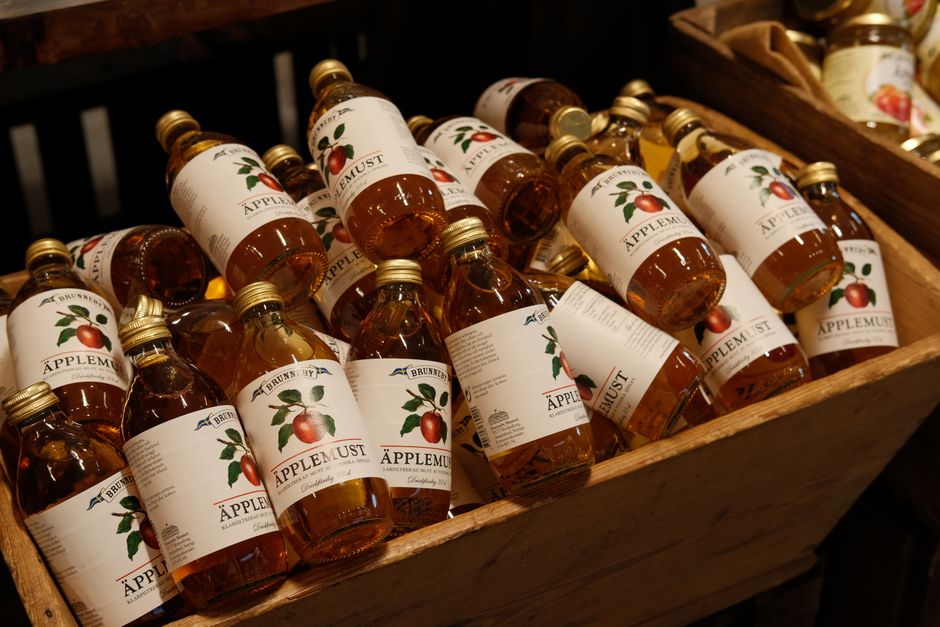
Yes, apple juice can help raise low blood sugar, but it is not the best first choice for everyone. It works quickly because it is a simple carbohydrate that enters your bloodstream fast. However, its lack of protein and fiber means the effect can wear off just as quickly, sometimes causing another drop.
How Does Apple Juice Affect Blood Sugar?
Apple juice is mostly water and sugar. A typical serving contains about 15 grams of carbohydrates, almost all of which come from natural sugars like fructose and glucose. Unlike whole apples, the juicing process removes nearly all the fiber. Fiber slows down digestion and sugar absorption. Without it, the sugar hits your bloodstream rapidly.
This fast absorption is exactly what you want during a mild low blood sugar episode. The glucose in the juice can raise your blood sugar within 10 to 15 minutes. That speed is the entire point. Your body needs quick sugar when levels drop too low.
But that speed is also the downside. Because there is no fiber or protein to slow things down, the rise in blood sugar can be followed by a rapid fall. For some people, this creates a rollercoaster effect. Your sugar spikes, then crashes again a short time later.
What Is Considered Low Blood Sugar?
Low blood sugar, called hypoglycemia, is generally defined as a blood glucose level below 70 mg/dL. This is the standard threshold used in clinical guidelines. Symptoms can include shakiness, sweating, confusion, irritability, and a fast heartbeat.
If you feel these symptoms, checking your blood sugar is the first step. If your meter confirms a reading under 70 mg/dL, you need to treat it. The standard rule is the “15-15” approach. Eat 15 grams of fast-acting carbohydrate, wait 15 minutes, and recheck your blood sugar. If it is still low, repeat the process.
Apple juice fits neatly into this rule. A half-cup serving, about 4 ounces, provides roughly 15 grams of carbohydrate. That is a standard treatment dose. It is simple to measure and easy to keep on hand.
Is Apple Juice the Best Treatment for Low Blood Sugar?
Apple juice works, but it is not always the best option. The ideal treatment for low blood sugar is a carbohydrate that is pure glucose. Glucose tablets or gels are the gold standard. They contain exactly what your body needs, with no extra ingredients that could complicate digestion.
Research consistently shows that glucose tablets raise blood sugar faster and more predictably than juices. This is because many juices contain fructose. Fructose must be processed by the liver before it can enter your bloodstream. Glucose does not require this step. It is absorbed directly through the intestinal wall.
That does not mean apple juice is useless. It is a reasonable option when glucose tablets are not available. It is also a practical choice for parents treating a child’s low blood sugar. Many children prefer the taste of juice over chalky tablets.
However, some clinicians recommend avoiding juices high in fructose for hypoglycemia treatment. The liver’s processing step can delay the blood sugar rise. In a severe low, every minute counts. If you have a choice, glucose tablets are more reliable.



When Should You Not Use Apple Juice?
There are situations where apple juice is the wrong choice. If your blood sugar is dangerously low and you are unconscious, confused, or unable to swallow, do not give anything by mouth. This is a medical emergency. You need glucagon, not juice. Call for emergency help immediately.
Apple juice is also a poor choice for treating low blood sugar in someone who is about to eat a meal. The juice will raise blood sugar quickly, but the effect may not last until the food is digested. This can lead to another low before the meal fully kicks in.
For people with diabetes who are trying to manage their weight, apple juice adds calories without fullness. The liquid calories do not satisfy hunger the way whole fruit does. If you have frequent lows, relying on juice can add up quickly in daily calorie intake.
What Are the Alternatives to Apple Juice?
Several options work as well or better than apple juice for treating low blood sugar. The best choice depends on your situation and what you have available.
- Glucose tablets: These are the most reliable option. They are pure glucose, absorbed quickly, and have a predictable effect.
- Glucose gel: Similar to tablets but easier to swallow if you are feeling weak or shaky.
- Fruit juice other than apple: Orange juice is often recommended. It has a more balanced sugar profile than apple juice, though it still lacks fiber.
- Regular soda: A half can of non-diet soda provides about 15 grams of carbohydrate. The carbonation can cause bloating for some people.
- Honey or sugar dissolved in water: These are fast-acting but can be hard to measure accurately.
- Raisins or other dried fruit: These work but take slightly longer to chew and digest.
Whole fruit like a banana or an apple is not ideal for treating an active low. The fiber slows down the sugar absorption too much. Save whole fruit for preventing lows, not treating them.
Should You Drink Apple Juice to Prevent Low Blood Sugar?
Using apple juice to prevent low blood sugar is a different question. Prevention is not the same as treatment. If you know your blood sugar is trending down but not yet low, drinking juice might seem logical. But it is usually a poor strategy.
Because juice is fast-acting, it creates a quick spike followed by a potential crash. This is the opposite of what you want for prevention. For prevention, you need something that releases sugar slowly over time. That requires protein, fat, and fiber.
A better choice for prevention is a snack that combines complex carbohydrates with protein. Examples include whole-grain crackers with cheese, an apple with peanut butter, or yogurt with berries. These foods digest slowly and provide a steady release of glucose.
If you are prone to lows between meals, talk to your healthcare provider about adjusting your medication or insulin doses. Treating the cause of the lows is more effective than constantly chasing them with juice.
What Does Research Say About Juice and Hypoglycemia?
Research on juice for hypoglycemia treatment is limited but informative. Some studies suggest that juices with higher glucose content work faster than those with higher fructose content. Apple juice has a moderate fructose level, which places it somewhere in the middle.
A study published in the journal Diabetes Care found that glucose tablets raised blood sugar faster than orange juice. The difference was modest but consistent. This supports the clinical preference for glucose tablets when they are available.
Other research has examined whether the type of sugar in juice matters for hypoglycemia treatment. Some studies indicate that sucrose, found in table sugar and some juices, works nearly as fast as glucose. Fructose, found in higher amounts in apple juice, is consistently slower.
The practical takeaway is simple. Apple juice will raise your blood sugar. It just may take a few extra minutes compared to glucose tablets. In a mild low, that difference is rarely critical. In a severe low, it can matter.
How Much Apple Juice Should You Drink?
The standard treatment dose for low blood sugar is 15 grams of carbohydrate. For apple juice, this equals about 4 ounces, or half a cup. This is not a guess. It is based on standard nutritional data for apple juice.
After drinking the juice, wait 15 minutes and recheck your blood sugar. If it is still below 70 mg/dL, drink another 4 ounces. Do not drink a large glass all at once. That can overcorrect and cause high blood sugar, which brings its own set of problems.
Once your blood sugar is back to a safe level, consider eating a small snack with protein or fiber. This helps stabilize your blood sugar and prevents a second drop. The juice treats the immediate low, but the snack keeps it from coming back.
For children, the dose is different. A child’s treatment dose is often calculated by weight. No single standard dose applies to all children. If you are treating a child’s low blood sugar, follow the dosing instructions from your pediatrician or diabetes care team.
Frequently Asked Questions
How fast does apple juice raise blood sugar?
Apple juice typically raises blood sugar within 10 to 15 minutes. The exact timing depends on how much fructose your liver needs to process before the glucose enters your bloodstream.
Is apple juice or orange juice better for low blood sugar?
Orange juice is generally considered slightly better because it has a more balanced sugar profile. Both work, but glucose tablets remain the most reliable option for treating low blood sugar.
Can you drink apple juice if you have diabetes?
Yes, but only in controlled amounts and usually for treating low blood sugar. For daily hydration or meals, whole fruit and water are better choices because they provide fiber without the sugar spike.
What should you eat after apple juice to prevent another low?
Eat a snack with protein and complex carbohydrates, such as cheese with whole-grain crackers or an apple with peanut butter. This stabilizes your blood sugar and prevents the rapid drop that can follow a juice-only treatment.
