
Glucagon is a hormone that raises blood sugar. It works opposite to insulin. When your blood sugar drops too low, your pancreas releases glucagon to signal the liver to release stored glucose. This keeps your brain and body fueled between meals, during sleep, and in emergencies.
What Does Glucagon Do To Blood Sugar And More? Key Facts
Glucagon’s main job is to prevent blood sugar from falling to dangerous levels. It does this by telling the liver to break down glycogen, which is stored glucose, and release it into the bloodstream. It also helps the liver create new glucose from non-carbohydrate sources like amino acids. This process is called gluconeogenesis.
Without glucagon, your blood sugar would drop steadily between meals. You would feel weak, confused, and eventually lose consciousness. Glucagon is the body’s safety net against hypoglycemia, or low blood sugar.
Glucagon is also used as an emergency medication. People with diabetes who take insulin carry glucagon kits. If they become unconscious from severe low blood sugar, someone else can inject the glucagon to raise their blood sugar quickly.
How Does Glucagon Work In The Body?
Glucagon is produced by alpha cells in the pancreas. When blood sugar falls, these cells release glucagon into the bloodstream. Glucagon travels to the liver, where it binds to specific receptors on liver cells.
This binding triggers a chain of chemical reactions inside the cells. The liver responds by breaking down glycogen into glucose and releasing that glucose into the blood. The liver also begins making new glucose from amino acids and other molecules.
The effects are fast. Blood sugar typically starts rising within minutes of glucagon release. The liver can release glucose rapidly because it stores a significant amount of glycogen.
Muscles also store glycogen, but they cannot release it into the bloodstream. They use it only for their own energy needs. Only the liver can release glucose to raise blood sugar. This is a key reason why the liver is central to glucagon’s action.
What Happens When Glucagon Levels Are Too High?
If glucagon levels stay too high, the liver keeps releasing glucose. This can contribute to high blood sugar, or hyperglycemia. In people with diabetes, abnormally high glucagon levels can make blood sugar harder to control.
In type 2 diabetes, the alpha cells often release too much glucagon. This happens even when blood sugar is already high. The excess glucagon pushes the liver to release more glucose, which worsens hyperglycemia. Some diabetes medications work partly by reducing glucagon release.
A rare condition called glucagonoma involves a tumor in the pancreas that produces too much glucagon. This causes very high blood sugar, weight loss, and a distinctive skin rash. Glucagonoma is uncommon, but it shows what happens when glucagon regulation fails.





How Does Glucagon Compare To Insulin?
Insulin and glucagon are opposing hormones. Insulin lowers blood sugar by helping cells take in glucose. It also tells the liver to store glucose as glycogen. Glucagon raises blood sugar by telling the liver to release that stored glucose.
These two hormones work together to keep blood sugar in a narrow, healthy range. When you eat, insulin rises and glucagon falls. When you fast, insulin falls and glucagon rises. This balance is called glucose homeostasis.
In a healthy person, this system works automatically. Blood sugar typically stays between 70 and 99 mg/dL when fasting. After meals, it may rise temporarily but usually returns to normal within two hours.
| Hormone | Source | Main Effect on Blood Sugar |
|---|---|---|
| Insulin | Beta cells in pancreas | Lowers blood sugar |
| Glucagon | Alpha cells in pancreas | Raises blood sugar |
Both hormones are essential. Losing the ability to produce either one causes serious problems. People with type 1 diabetes cannot make insulin and must inject it. They still make glucagon, but their ability to release it in response to low blood sugar is often impaired over time.
How Is Glucagon Used As An Emergency Treatment?
Glucagon is available as an injectable medication for severe hypoglycemia. It is used when a person with diabetes cannot eat or drink safely, or when they are unconscious. It works within minutes to raise blood sugar.
Glucagon kits come in two forms. One requires mixing a powder with a liquid before injection. The other is a pre-filled, ready-to-use injection device. Both deliver the same hormone.
Family members and caregivers are often trained to give glucagon. The injection is given into the arm, thigh, or buttock, similar to how insulin is given. After injection, the person usually wakes up within 15 minutes. They should eat a fast-acting carbohydrate soon after to prevent blood sugar from dropping again.
Glucagon can cause nausea and vomiting. Because of this, the person should be placed on their side after the injection. This prevents choking if they vomit while still unconscious.
Some people with diabetes carry a nasal powder form of glucagon. This is sprayed into the nose and does not require an injection. It works as quickly as the injectable form and is easier for untrained people to use.
Can Glucagon Help With Weight Loss?
Glucagon has received attention in recent years for its potential role in weight management. Some newer medications combine glucagon-like effects with other hormones to reduce appetite and promote weight loss. But these are synthetic medications, not the same as natural glucagon.
Some research suggests that glucagon may increase energy expenditure and reduce food intake. However, the evidence is not strong enough to recommend glucagon alone for weight loss. No clinical guidelines currently support using glucagon for this purpose.
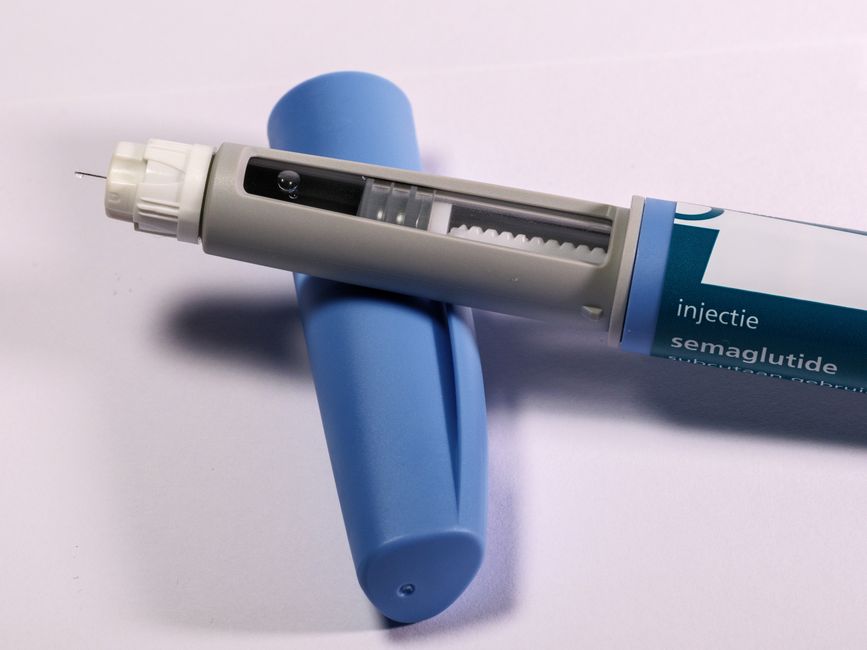
Medications that mimic glucagon-like peptide-1, or GLP-1, are different from glucagon itself. GLP-1 is another hormone that helps control blood sugar and appetite. Drugs like semaglutide and liraglutide are GLP-1 receptor agonists. They are approved for diabetes and weight loss, but they are not glucagon.
Some investigational drugs combine GLP-1 and glucagon effects. Early studies show promise, but these are not yet widely available. It is important not to confuse these experimental treatments with natural glucagon or approved GLP-1 medications.
What Conditions Affect Glucagon Production?
Diabetes is the main condition that affects glucagon. In type 1 diabetes, the immune system destroys beta cells, but alpha cells may also be damaged over time. This can reduce glucagon release in response to low blood sugar, increasing the risk of severe hypoglycemia.
In type 2 diabetes, glucagon regulation is often abnormal. Alpha cells release too much glucagon, contributing to high blood sugar. This is why some diabetes medications target glucagon signaling.
Pancreatitis, or inflammation of the pancreas, can damage alpha cells. This may reduce glucagon production. However, the pancreas has many alpha cells, so significant damage is usually needed before glucagon production is affected.
Surgical removal of the pancreas, called a pancreatectomy, eliminates all glucagon production. People who have this surgery need careful management of both insulin and glucagon. This is a complex situation that requires an endocrinologist’s supervision.
How Do You Test Glucagon Levels?
Glucagon levels can be measured with a blood test. Doctors rarely order this test because glucagon problems are uncommon. It is usually reserved for suspected glucagonoma or research purposes.
Normal fasting glucagon levels are typically below 150 pg/mL. Levels above this may indicate a problem. However, the test is not routinely used for diabetes management.
Most people with diabetes never need their glucagon levels tested. Their doctors focus on blood sugar, insulin, and HbA1c levels instead. Glucagon testing is a specialized tool for specific clinical situations.
Frequently Asked Questions
What triggers glucagon release?
Low blood sugar triggers glucagon release from the pancreas. Eating a high-protein meal can also stimulate glucagon release.
How fast does glucagon raise blood sugar?
Injected glucagon usually raises blood sugar within 5 to 15 minutes. The effect lasts about 30 to 90 minutes.
Can you take glucagon if you are not diabetic?
Glucagon is only used in emergencies for severe low blood sugar. Taking it without hypoglycemia would cause blood sugar to rise unnecessarily.
Does glucagon lower blood sugar?
No, glucagon raises blood sugar. Insulin is the hormone that lowers blood sugar.
