
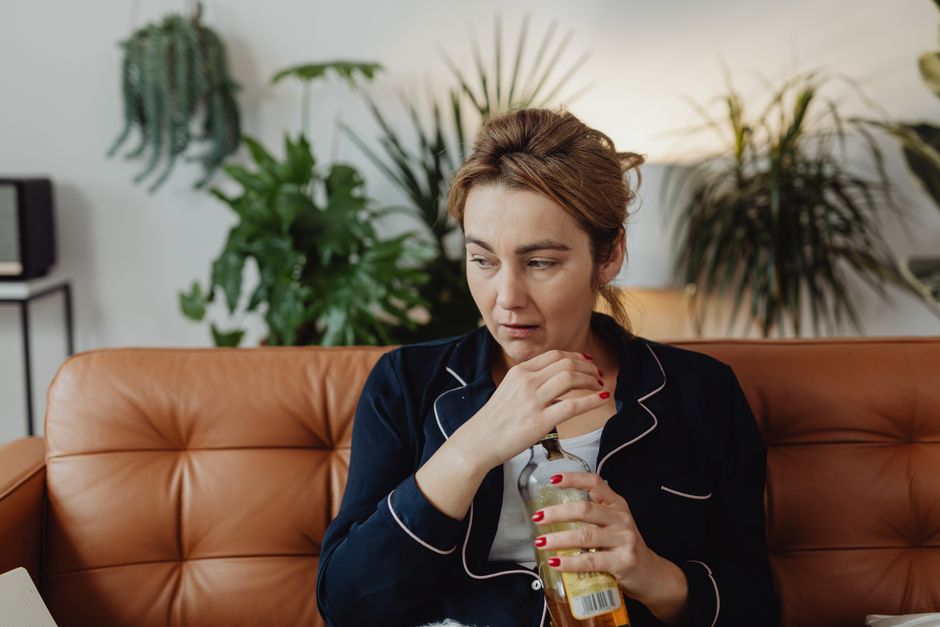
Alcohol can affect your blood sugar for up to 12 to 24 hours after your last drink, depending on how much you drank, whether you ate, and your overall health. The most significant drop in blood sugar typically happens 6 to 8 hours after drinking, often while you sleep. This is why checking your glucose before bed after drinking is critical, especially for people with diabetes.
How Does Alcohol Lower Blood Sugar?
Alcohol lowers blood sugar by blocking the liver’s ability to produce glucose. Your liver stores glucose as glycogen. When your blood sugar dips between meals or overnight, the liver releases that stored glucose to keep your levels stable.
When alcohol is in your system, the liver prioritizes breaking down the alcohol over releasing glucose. This is a safety mechanism. The liver treats alcohol as a toxin, so it works to clear it from the blood first. While it does that, glucose production slows or stops entirely.
The result is that your blood sugar can fall steadily for hours after you stop drinking. This effect is independent of the type of alcohol. Beer, wine, and spirits all have this impact because the issue is the alcohol itself, not the carbohydrates in the drink.
The Blood Sugar Timeline After Drinking
The timeline varies from person to person, but a general pattern exists based on how the body processes alcohol.
- 0 to 2 hours after drinking: Blood sugar may rise slightly if the drink contains carbohydrates, such as beer or sweet mixers. The liver is still breaking down alcohol, but the sugars from the drink can cause a temporary spike.
- 3 to 6 hours after drinking: Blood sugar begins to fall. The liver is still busy processing alcohol and is not releasing stored glucose. This is a common time for a noticeable drop, especially if you have not eaten.
- 6 to 12 hours after drinking: This is the highest-risk window. Blood sugar can drop to dangerously low levels, particularly if you are asleep. Many people do not wake up from this drop because hypoglycemia can cause unconsciousness.
- 12 to 24 hours after drinking: Blood sugar may remain lower than normal as the liver gradually resumes normal glucose production. The duration depends on how much alcohol is still being metabolized.
These are general windows, not exact measurements. A heavy drinking session can extend the effect well beyond 24 hours. A single drink may only cause a mild dip that resolves within a few hours.
Why Alcohol Can Cause Low Blood Sugar Hours Later
The delayed effect surprises many people. You may feel fine when you go to bed, then wake up with dangerously low blood sugar.
The reason is that alcohol metabolism takes time. The liver can only process about one standard drink per hour. If you drink several drinks over an evening, the liver stays busy for many hours after your last sip. During all that time, it is not maintaining your blood sugar.
This is especially dangerous for people taking insulin or sulfonylureas, which are medications that increase insulin levels. When alcohol blocks glucose production and your medication is still active, blood sugar can fall fast and hard.



Does the Type of Alcohol Matter?
The type of alcohol matters less than most people think for blood sugar control. The alcohol itself is the primary driver of low blood sugar. But the mixers and carbohydrate content do play a role.
Beer contains carbohydrates. A regular beer can raise blood sugar initially before the alcohol effect takes over. Light beer has fewer carbohydrates and causes less of an initial spike.
Wine has minimal carbohydrates. Dry wines like sauvignon blanc or pinot noir have very little sugar. Sweet wines and dessert wines contain more.
Spirits like vodka, whiskey, and gin contain no carbohydrates on their own. The danger comes from mixers. Soda, juice, and sweetened tonic water can spike blood sugar dramatically. Diet mixers or soda water do not add sugar.
The net effect over several hours is the same regardless of the drink: blood sugar will trend downward as the liver processes the alcohol. The carbohydrate content only affects the initial phase.
Who Is Most at Risk for Alcohol-Related Low Blood Sugar?
People with diabetes are at the highest risk. Those taking insulin or sulfonylureas face the most danger because these medications actively lower blood sugar while alcohol prevents the liver from raising it.
People with type 2 diabetes managed by metformin alone have less risk of severe hypoglycemia, but they are not immune. Metformin does not typically cause low blood sugar by itself, but the alcohol effect still applies.
People without diabetes can also experience alcohol-related low blood sugar. This is more common after heavy drinking, especially on an empty stomach. The body’s counter-regulatory hormones usually kick in eventually, but they are slower when alcohol is present.
Anyone with liver disease should be especially cautious. The liver is already compromised, and alcohol adds an additional burden that can impair glucose regulation for longer periods.
How to Prevent Low Blood Sugar When Drinking
The safest approach is to eat before and during drinking. Food slows alcohol absorption and provides a source of glucose for your body to use. Complex carbohydrates like whole grains, vegetables, and legumes are better than simple sugars because they release glucose slowly.
Check your blood sugar before you start drinking. If it is below 100 mg/dL, eat something before you drink. Check again before bed. If your blood sugar is trending down, eat a snack with complex carbohydrates and protein before sleeping.
Set an alarm to check your blood sugar in the middle of the night if you have had more than one drink. This is the most reliable way to catch a dangerous drop early.
Never drink on an empty stomach if you take diabetes medication. The combination of medication, alcohol, and no food is the most common recipe for severe hypoglycemia.
Wear a continuous glucose monitor if you have one. These devices can alert you when your blood sugar is falling, even while you sleep. If you do not have one, ask your doctor about whether you should.
Tell someone you are with that you have diabetes and what to do if you become confused, sweaty, or unconscious. These are signs of severe low blood sugar that requires immediate treatment.
Can Alcohol Raise Blood Sugar?
Yes, but the rise is usually temporary and depends on what you drink. Sugary cocktails, regular soda mixers, and sweet wines can cause a rapid spike in blood sugar within the first hour.
This creates a confusing situation. Your blood sugar may be high shortly after drinking, then crash hours later. Some people mistakenly correct the high with extra insulin, which worsens the later low.
The safest approach is to avoid correcting a mild high that occurs during drinking. The alcohol will eventually bring blood sugar down on its own. If you must correct, use a smaller dose than usual and check your blood sugar frequently.
How Long Should You Wait to Check Your Blood Sugar After Drinking?
Check before you drink, then check every 2 to 3 hours while drinking. The most important check is right before bed. If your blood sugar is below 120 mg/dL, eat a snack before sleeping.
Check again in the middle of the night if you had more than two drinks in a few hours. This is not overly cautious. Severe alcohol-related hypoglycemia is most common during sleep because you cannot feel the symptoms and respond.
Continue checking for 12 to 24 hours after your last drink, especially if you take insulin. The liver may take that long to fully recover its glucose-producing function.
When Is Low Blood Sugar an Emergency?
Severe low blood sugar is a medical emergency. Symptoms include confusion, inability to speak clearly, seizures, and loss of consciousness. If someone with diabetes is acting confused after drinking, do not assume they are just drunk.
If the person can swallow, give them glucose tablets, juice, or regular soda. If they cannot swallow, do not try to force anything into their mouth. Call emergency services immediately.
Glucagon is a prescription medication that raises blood sugar and can be injected by another person. If you have diabetes and drink, your doctor may prescribe glucagon and teach someone in your household how to use it.
Frequently Asked Questions
How many hours after drinking does blood sugar drop?
Blood sugar typically starts dropping 3 to 6 hours after your last drink and can remain low for up to 24 hours. The most dangerous drop often occurs 6 to 12 hours after drinking, usually during sleep.
Can one glass of wine cause low blood sugar?
A single glass of wine can cause a mild drop in blood sugar, especially if you have not eaten. The effect is usually small for most people, but it can be significant for those taking insulin or sulfonylurea medications.
Should I eat before bed if I drank alcohol?
Check your blood sugar first. If it is below 120 mg/dL, eating a snack with complex carbohydrates and protein before bed is a reasonable precaution. This helps prevent the overnight drop that alcohol can cause.
Does alcohol affect blood sugar the next morning?
Yes. The liver can take 12 to 24 hours to fully resume normal glucose production after a drinking session. Morning blood sugar readings are often lower than usual, and this effect can persist into the next day.
