
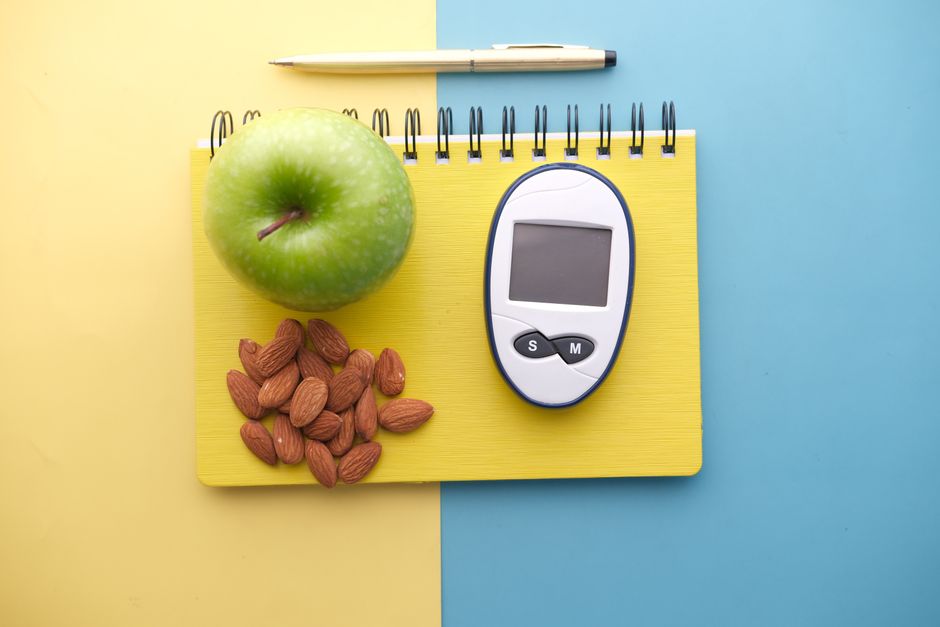
High blood sugar affects millions of Americans, and many want to know what they can do about it without adding another prescription. The science-backed answer is clear: specific foods, meal timing, physical activity, and weight management have all been shown to lower blood sugar naturally. Fiber slows sugar absorption, protein and fat blunt glucose spikes, vinegar taken with meals reduces post-meal glucose, and consistent exercise makes your muscles more sensitive to insulin. These strategies work through different mechanisms, and combining them produces the most reliable results.
How Does Fiber Lower Blood Sugar?
Fiber is the single most important nutrient for blood sugar control. Soluble fiber forms a gel-like substance in your digestive tract. That gel physically slows how fast sugar enters your bloodstream.
When sugar enters slowly, your pancreas does not have to release a large burst of insulin. Smaller insulin responses mean less dramatic blood sugar swings. The effect is measurable after a single meal and becomes more pronounced with regular intake.
Good sources of soluble fiber include oats, barley, beans, lentils, apples, carrots, and psyllium husk. Aim for fiber at every meal rather than loading up once a day. A common clinical target is 25 to 38 grams of total fiber daily for adults, but most Americans get less than half that amount.
One practical approach: eat vegetables first, then protein and fat, and save starches for last. This simple ordering can reduce the post-meal glucose spike by slowing gastric emptying. Some research suggests this meal sequencing strategy lowers post-meal blood sugar more than eating the same foods in a different order.
Does Vinegar Actually Lower Blood Sugar?
Yes, and the evidence is stronger than most people realize. Acetic acid, the active compound in vinegar, interferes with the enzymes that break down carbohydrates. That means fewer sugars are absorbed from a meal.
Studies have consistently shown that consuming 1 to 2 tablespoons of vinegar diluted in water before a high-carbohydrate meal reduces the resulting blood sugar spike. The effect appears most pronounced in people with insulin resistance or prediabetes.
Do not drink vinegar straight. The acidity can damage tooth enamel and irritate your esophagus. Always dilute it in at least a glass of water. If you take medication for blood sugar, talk to your doctor before adding vinegar regularly because it can amplify the effects of those drugs.
What Role Does Protein Play in Blood Sugar Control?
Protein does not raise blood sugar directly, and it slows the digestion of carbohydrates eaten alongside it. When you eat a meal that contains protein, the stomach empties more slowly. This delays sugar absorption and produces a flatter glucose curve.
This is why a breakfast of eggs and vegetables produces a smaller glucose response than a breakfast of toast and jam, even when total calories are similar. The protein changes how your body handles the carbohydrates.
Fat works the same way. Olive oil, avocado, nuts, and fatty fish all slow gastric emptying. A meal with balanced macronutrients — protein, fat, and carbohydrate — will always produce a smaller glucose spike than a carbohydrate-only meal of equal calories.
This does not mean you should avoid carbohydrates. It means you should avoid eating them alone. Pair an apple with peanut butter. Have your toast with eggs. These pairings are the practical application of this physiology.




How Does Exercise Lower Blood Sugar Immediately?
Muscle contractions pull glucose out of your bloodstream without requiring insulin. This is why a single 15-minute walk after a meal lowers post-meal blood sugar.
The effect is not subtle. A short walk within 60 to 90 minutes after eating can reduce the glucose spike by a significant margin. The muscles you just used are hungry for fuel, and they take glucose directly from your blood to replenish their energy stores.
Resistance training has a longer-lasting effect. Lifting weights builds muscle mass, and muscle tissue is the largest storage site for glucose in the body. More muscle means more room to store sugar. Over weeks and months, this translates to lower fasting blood sugar and better insulin sensitivity.
The most effective approach combines both. Aerobic exercise improves your body’s immediate ability to use glucose. Resistance training builds the storage capacity. A routine that includes both — even two or three sessions per week of each — produces better blood sugar control than either alone.
Can Weight Loss Lower Blood Sugar?
Yes, and the effect can be dramatic. Excess body fat, particularly visceral fat around your organs, releases inflammatory signals that make cells resistant to insulin. When your cells resist insulin, glucose stays in your bloodstream instead of entering cells.
Losing even 5 to 10 percent of your body weight measurably improves insulin sensitivity. For a 200-pound person, that is 10 to 20 pounds. Many people see their fasting blood sugar drop into a healthier range with this amount of weight loss.
This is not about crash dieting. It is about sustained calorie reduction combined with the other strategies in this article. The weight loss itself is what improves insulin sensitivity, but the fiber, protein, and exercise strategies make the weight loss easier to achieve and maintain.
What About Cinnamon, Berberine, and Other Supplements?
Cinnamon has been studied for its blood sugar effects. Some research shows modest reductions in fasting glucose, but the results are inconsistent. The quality of cinnamon products varies widely, and the active compounds may not survive processing.
Berberine has more robust evidence. It appears to activate an enzyme called AMPK, which plays a central role in cellular energy regulation. Some studies show it lowers blood sugar comparably to metformin, a common diabetes medication. But berberine is a powerful compound that interacts with many medications, and it should not be taken without medical supervision.
Magnesium deficiency is linked to poorer blood sugar control, and supplementation in deficient individuals can improve glucose metabolism. But if your magnesium levels are normal, supplementation is unlikely to help.
The honest position on most supplements: the evidence is limited, and no supplement replaces the core strategies of diet and exercise. Some supplements have genuine biological effects, but they are not a substitute for the lifestyle changes that have decades of research behind them.
How Quickly Can You See Results?
Some changes work within hours. A post-meal walk lowers the glucose spike you would have seen without it. Vinegar with a meal does the same.
Other changes take weeks. Fasting blood sugar reflects your liver’s overnight glucose production, and that improves as insulin sensitivity improves. Most people who make consistent dietary and exercise changes see measurable improvements in fasting glucose within 2 to 4 weeks.
Weight-loss effects take longer. The 5 to 10 percent weight loss target takes most people several months to achieve. But the dietary changes that produce weight loss also improve blood sugar in the meantime.
If you have been diagnosed with diabetes or prediabetes, work with your healthcare provider. Blood sugar medications can cause dangerously low glucose levels if you start exercising more or eating fewer carbohydrates. Your medication doses may need adjustment as your lifestyle changes take effect.
Frequently Asked Questions
What is the fastest way to lower blood sugar naturally?
Walking for 10 to 15 minutes after a meal is the fastest evidence-based method. Muscle contractions pull glucose from your bloodstream within minutes.
Does drinking water lower blood sugar?
Water helps your kidneys flush excess glucose through urine, but it does not directly lower blood sugar. Staying hydrated prevents the concentration effect of dehydration, which can make glucose readings look higher than they are.
Can apple cider vinegar lower blood sugar overnight?
Some studies show that vinegar taken at bedtime can reduce fasting blood sugar the next morning. The effect is modest and works best when combined with other lifestyle strategies.
Is it safe to lower blood sugar without medication?
For people with prediabetes or early type 2 diabetes, lifestyle changes are often the first recommended approach. If you take diabetes medication, never stop or adjust it without your doctor because natural strategies can compound the effects and cause hypoglycemia.
