
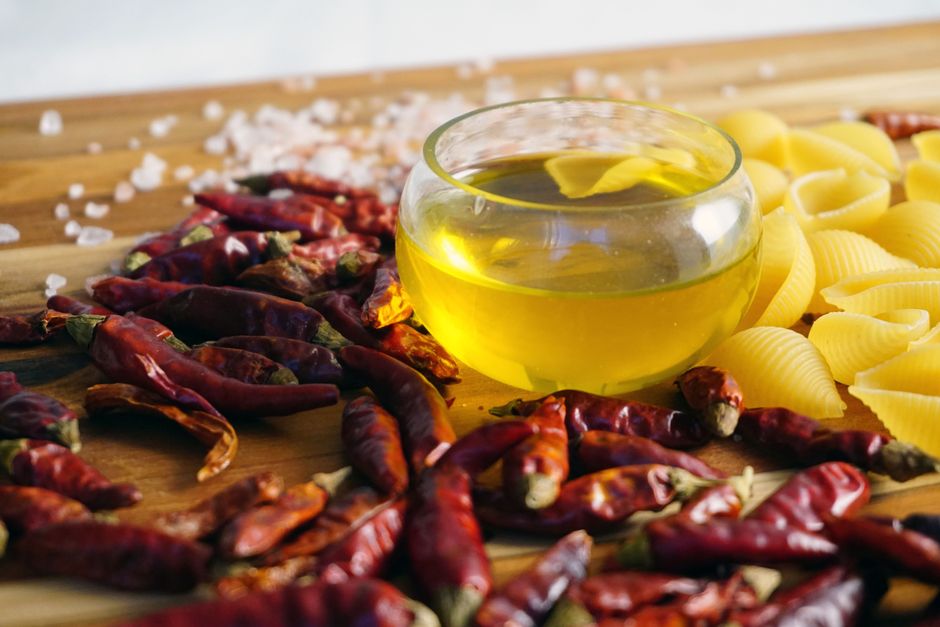
If your throat is raw and sore, the last thing you probably want is spicy food. That instinct is correct for most people. Spicy foods like chili peppers and hot sauce do not help a sore throat. In fact, they usually make the pain worse by irritating already inflamed tissue. While there is a popular belief that capsaicin — the compound that makes peppers hot — can numb pain, the evidence does not support eating spicy foods as a treatment for a sore throat. This guide explains what the research actually says and what works better.
Does Spicy Food Help a Sore Throat?
No. Eating spicy food when you have a sore throat is not a recommended treatment. The common idea that “sweating it out” with hot peppers helps is not backed by medical evidence. When your throat is sore, the mucous membranes are inflamed and sensitive. Capsaicin irritates these tissues further. This can cause more pain, more swelling, and a longer recovery time.
Some people claim that the heat from spicy food clears congestion or kills bacteria. Neither claim holds up. Spicy food does not kill the viruses or bacteria that cause most sore throats. It can temporarily make your nose run, which might feel like clearing mucus. But that does nothing for the underlying infection or inflammation in your throat.
The American Academy of Otolaryngology advises avoiding spicy foods during a sore throat. Their guidelines list spicy foods as something to avoid, not something to try. If you have a sore throat and eat something spicy, pay attention to how your throat feels afterward. For most people, it gets worse.
What Does Research on Spicy Food and Sore Throats Actually Show?
Research on this topic is thin. There are no large clinical trials testing whether eating spicy food helps a sore throat. The studies that exist focus on capsaicin as a pain reliever for conditions like arthritis or nerve pain — not throat pain.
One small study published in the Journal of Pain found that capsaicin cream applied to the skin can reduce certain types of pain by depleting a chemical called substance P. This is a legitimate mechanism. But there is a critical difference: that study used topical capsaicin cream on intact skin, not eating whole peppers when your throat is already inflamed. Eating capsaicin delivers it directly to raw, irritated tissue. The effect is irritation, not pain relief.
Another study in Clinical Therapeutics looked at capsaicin lozenges for people with swallowing problems after radiation therapy. Some patients reported temporary pain relief. But those lozenges were a controlled medical product. They are not the same as eating a spicy meal. And the study population — people with nerve damage from radiation — is completely different from someone with a viral sore throat.
The bottom line: there is no clinical evidence that eating spicy food helps a common sore throat. The mechanism that makes capsaicin work for nerve pain does not translate to treating an inflamed, infected throat.
What About the “Sweat It Out” Theory?
The idea that sweating helps a fever or infection is an old folk belief. It is not supported by science. Sweating is your body’s natural cooling mechanism. It does not help your immune system fight off a virus or bacteria. If you have a fever, your body temperature is already elevated to help fight infection. Making yourself sweat more by eating spicy food does not add any benefit.
Some people believe that the heat from spicy food “burns” the germs in your throat. This is biologically impossible. The temperature of the food you eat does not get hot enough to kill pathogens inside your body. Your body maintains a stable internal temperature regardless of what you eat. The heat you feel from spicy food is a chemical reaction, not actual heat. Your throat is not getting hot enough to kill anything.
The sweat-it-out theory also ignores the risk of dehydration. When you have a sore throat, staying hydrated is one of the most important things you can do. Sweating from spicy food can make you lose fluids. That works against recovery.





What Are the Side Effects of Eating Spicy Food With a Sore Throat?
Eating spicy food when your throat is sore can cause several problems:
- Increased pain and burning. Capsaicin directly stimulates pain receptors. On an already inflamed throat, this can make the soreness much worse.
- More inflammation. The irritation from capsaicin can trigger additional swelling in your throat tissues. This can make swallowing harder.
- Coughing fits. Spicy foods can trigger coughing and throat clearing, which further irritates the throat.
- Stomach issues. Many people with sore throats also have digestive sensitivity. Spicy food can cause acid reflux, which can travel up and burn your throat even more.
- Interference with sleep. Eating spicy food close to bed can cause heartburn and disrupt sleep. Rest is critical for recovery from any illness.
If you choose to eat spicy food despite having a sore throat, watch for these signs. If your throat feels worse after eating, stop. Your body is telling you it does not help.
What Actually Works for a Sore Throat?
Medical organizations including the CDC and the Mayo Clinic recommend several proven approaches for sore throat relief. These are simple, cheap, and backed by evidence.
| Remedy | How It Helps | Evidence Level |
|---|---|---|
| Salt water gargle | Reduces swelling and loosens mucus | Strong – recommended by CDC |
| Honey | Coats the throat and may have mild antibacterial effects | Strong – research in Pediatrics found honey more effective than cough medicine for nighttime cough |
| Warm tea with honey | Hydration plus soothing warmth | Strong – widely recommended by medical institutions |
| Ice chips or cold liquids | Numbs the throat and reduces swelling | Moderate – helpful for pain, especially after tonsillectomy |
| Over-the-counter pain relievers | Ibuprofen or acetaminophen reduce pain and fever | Strong – proven in multiple clinical trials |
| Humidifier | Adds moisture to dry air, preventing throat irritation | Moderate – recommended by the Mayo Clinic |
Honey is one of the few natural remedies with solid research behind it. A 2018 study in BMJ Evidence-Based Medicine reviewed 14 studies and found that honey was more effective than usual care for improving cough symptoms and sore throat. But do not give honey to children under one year old due to the risk of botulism.
Salt water gargles are another simple option. Mix half a teaspoon of salt in a cup of warm water. Gargle for 30 seconds and spit it out. Do this every few hours. The salt draws fluid out of swollen tissues, which reduces inflammation. It is not a cure, but it provides real relief.
When Should You See a Doctor for a Sore Throat?
Most sore throats are caused by viruses and go away on their own within a week. But some need medical treatment. The CDC says you should see a doctor if you have:
- A fever over 101°F that lasts more than 24 hours
- Severe pain that makes it hard to swallow or breathe
- White patches on your tonsils
- Swollen lymph nodes in your neck
- A rash
- A sore throat that lasts more than a week
Strep throat is a bacterial infection that requires antibiotics. It does not get better on its own. A doctor can do a quick strep test to check. If you have strep, spicy food will definitely make it worse. Antibiotics are the only effective treatment.
Do not rely on spicy food or any home remedy to treat strep throat. Untreated strep can lead to complications like rheumatic fever, which can damage your heart valves. This is rare, but it is serious. When in doubt, get tested.
Common Misconceptions About Spicy Food and Sore Throats
Misconception: Spicy food kills bacteria in your throat. Capsaicin has some antibacterial properties in a lab dish. That does not mean it works inside your body. The concentration needed to kill bacteria is far higher than what you can eat. And it would irritate your throat long before it killed any germs.
Misconception: Spicy food clears congestion, so it must help. Spicy food can make your nose run and your eyes water. This is a reflex response, not a therapeutic effect. It does not clear the infection or reduce inflammation in your throat. It just temporarily changes your symptoms.
Misconception: People in cultures that eat spicy food never get sore throats. This is not true. People in countries with spicy cuisines get sore throats at the same rates as everyone else. Diet does not prevent viral infections. Your immune system handles that, not what you eat.
Misconception: If it burns, it means it is working. This is dangerous thinking. Pain is a signal from your body that something is wrong. If spicy food makes your sore throat burn more, that is a sign of harm, not healing. Do not push through the pain.
Frequently Asked Questions
Can spicy food make a sore throat worse?
Yes. Spicy food irritates inflamed throat tissue and can increase pain, swelling, and coughing. Most medical guidelines recommend avoiding spicy foods during a sore throat.
Is there any benefit to eating spicy food when sick?
No proven benefit exists for sore throats. Spicy food may temporarily clear nasal congestion, but it does not help the throat and can make symptoms worse.
Does honey work better than spicy food for a sore throat?
Yes. Research shows honey is effective for reducing cough and soothing a sore throat. It is a proven remedy, unlike spicy food which has no evidence backing it.
What should I eat instead of spicy food when I have a sore throat?
Warm tea with honey, broth, applesauce, mashed potatoes, and cold foods like ice cream or popsicles are all gentle on the throat and provide relief.
