
The idea that you need to carefully combine foods at every meal to get “complete protein” has been floating around for decades. It sounds logical, but the science tells a different story. The short answer is that the concept of a “complete protein” is real, but the fear of not getting enough from a plant-based diet is largely overblown. Your body is smarter than most diet advice gives it credit for.
Your liver acts like a protein bank. It keeps a pool of amino acids ready to use. As long as you eat a variety of protein sources throughout the day, your body gets what it needs to build muscle, repair tissue, and run your immune system. You do not need to obsess over pairing rice with beans at the same meal. That old rule has been quietly retired by nutrition scientists.
What Is a Complete Protein Anyway?
A complete protein means a food contains all nine essential amino acids in amounts your body can use. Your body cannot make these nine on its own. You must get them from food. Animal foods like meat, eggs, dairy, and fish are complete proteins. A few plant foods are too, including soy, quinoa, and hemp seeds.
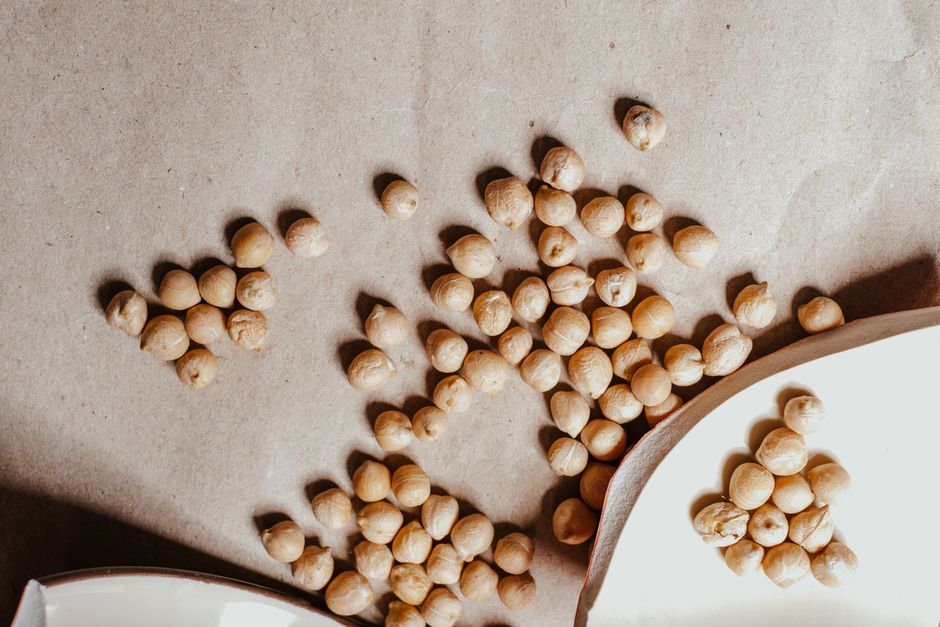
Most other plant foods are incomplete. They are low in one or more essential amino acids. Beans are low in methionine. Grains are low in lysine. This has led many people to believe you must pair them at every meal to get a complete protein. That is not how human digestion works. Research published by the Academy of Nutrition and Dietetics confirms that complementary proteins do not need to be eaten together. Your body pools amino acids from everything you eat over 24 hours.
Does Is Complete Protein A Myth What Science Says About Plant Proteins?
Science says plant proteins are perfectly adequate for most people. A 2019 review in the journal Nutrients looked at plant protein quality and found that when you eat a variety of plant foods, you get all essential amino acids. The only real risk is if you eat only one plant food exclusively, like only white rice or only corn. That is not a normal diet for anyone.
The bigger issue is total protein intake, not completeness. Many people eating plant-based diets simply do not eat enough protein overall. The recommended dietary allowance is 0.8 grams per kilogram of body weight. For a 150-pound person, that is about 55 grams per day. Active people and older adults need more. The completeness question matters far less than getting enough total grams.
One clarification worth making: the old “incomplete protein” label was based on how well a food supports rat growth. Rats have different amino acid needs than humans. Human protein requirements are lower. The scoring systems have been updated. The Protein Digestibility Corrected Amino Acid Score and the newer Digestible Indispensable Amino Acid Score both show that most plant proteins are high quality when eaten in normal amounts.
What Happens If You Only Eat Incomplete Proteins?
Your body does not store amino acids the way it stores fat. If you eat a meal low in one essential amino acid, your body pulls that amino acid from its daily pool. That pool comes from food you ate earlier and from recycled protein from your own cells. Your body breaks down old cells and reuses the amino acids constantly. This is called protein turnover and it happens every day.
The real risk is not a single meal or even a single day. It is a long-term pattern of eating the same limited plant food over and over. If your diet is only white rice and pasta for weeks, you will eventually run low on lysine. But anyone eating a varied diet with legumes, grains, nuts, seeds, and vegetables gets enough of every amino acid. The CDC and the World Health Organization both state that protein deficiency is extremely rare in developed countries and is almost always a calorie deficiency, not a protein quality issue.
There is no evidence that healthy people need to worry about incomplete proteins. The only groups who might need to pay closer attention are people eating very restricted diets like fruitarians or those with severe food allergies limiting their food choices. For everyone else, eat a variety of plant foods and you are fine.
How Much Protein Do You Actually Need Each Day?
This is where most people get confused. The standard recommendation is 0.8 grams per kilogram of body weight. That number comes from nitrogen balance studies and is the minimum to prevent deficiency. It is not necessarily the optimal amount for muscle growth, athletic performance, or aging well.
Research shows that older adults benefit from more protein. The PROT-AGE study group, an international team of experts, recommends 1.2 grams per kilogram for adults over 65. That is about 50 percent more than the standard RDA. Active people and athletes often need 1.2 to 2.0 grams per kilogram depending on training intensity. These higher intakes are safe for people with normal kidney function.
Here is a simple comparison table for a 150-pound person:
| Activity Level | Grams Per Day | Example Sources |
|---|---|---|
| Sedentary adult | 55 g | 7 oz chicken or 2 cups lentils |
| Active adult | 80–100 g | 3 eggs, 1 cup Greek yogurt, 6 oz salmon |
| Older adult (65+) | 80 g | 1 cup tofu, 1 cup quinoa, 1 cup black beans |
| Athlete | 100–135 g | Protein shake, 8 oz chicken, 1 cup cottage cheese |
These numbers are estimates. Your individual needs depend on muscle mass, activity type, and overall health. The point is that total protein matters more than whether each individual source is complete.
What Foods Give You the Most Bang for Your Protein Buck?
Not all protein sources are equal in terms of amino acid profile and digestibility. Animal proteins are the most efficient. A 3-ounce serving of chicken breast gives you about 26 grams of protein with all essential amino acids. A cup of cooked lentils gives you about 18 grams but is lower in methionine. You compensate by eating other foods later.
Here are some of the best whole food sources ranked by protein per calorie:
- Egg whites — 11 grams per 100 calories
- Chicken breast — 21 grams per 100 calories
- Greek yogurt — 10 grams per 100 calories
- Tofu — 11 grams per 100 calories
- Lentils — 8 grams per 100 calories
- Quinoa — 4 grams per 100 calories
Notice that plant sources are less protein-dense per calorie. That is the real challenge for people eating plant-based. You need to eat larger volumes of food or include more concentrated sources like tofu, tempeh, and seitan. Soy protein isolate and pea protein powders are also complete or nearly complete and can fill gaps easily.
What Are the Common Misconceptions About Complete Protein?
The biggest myth is that vegans automatically get incomplete protein. That is false. A well-planned vegan diet provides all essential amino acids. The position of the Academy of Nutrition and Dietetics is clear: appropriately planned vegetarian and vegan diets are healthful and nutritionally adequate. They specifically state that protein needs are easily met when a variety of plant foods is consumed.
Another misconception is that you need to eat complementary proteins at the same meal. That idea came from a 1971 book called Diet for a Small Planet. The author later corrected herself in later editions. The science had already moved on. Your body does not care if the amino acids arrive together or hours apart. It pools them.
A third myth is that plant protein is inferior for building muscle. Research comparing soy protein to whey protein shows that both support muscle protein synthesis equally when total protein intake is matched. A 2018 meta-analysis in Sports Medicine found no significant difference in muscle growth between animal and plant protein sources when total protein and leucine content were similar. Leucine is the amino acid that triggers muscle building. Soy and pea protein are rich in leucine. Rice protein is lower but still adequate when you eat enough total protein.
Frequently Asked Questions
Frequently Asked Questions
Do I need to combine rice and beans at the same meal?
No. Your body pools amino acids from everything you eat throughout the day. Eating them at separate meals still gives you complete protein.
Is plant protein as good as animal protein for building muscle?
Yes, when total protein intake is adequate. Research shows soy and pea protein support muscle growth as well as whey protein does.
Can you get enough protein on a vegan diet without supplements?
Yes, but you need to eat enough total calories and include concentrated sources like tofu, lentils, and beans. Most vegans meet protein needs without supplements.
What happens if you eat too much protein?
Excess protein is stored as fat or excreted. Very high intakes over 2 grams per kilogram may strain kidneys in people with existing kidney disease but are safe for healthy people.
