
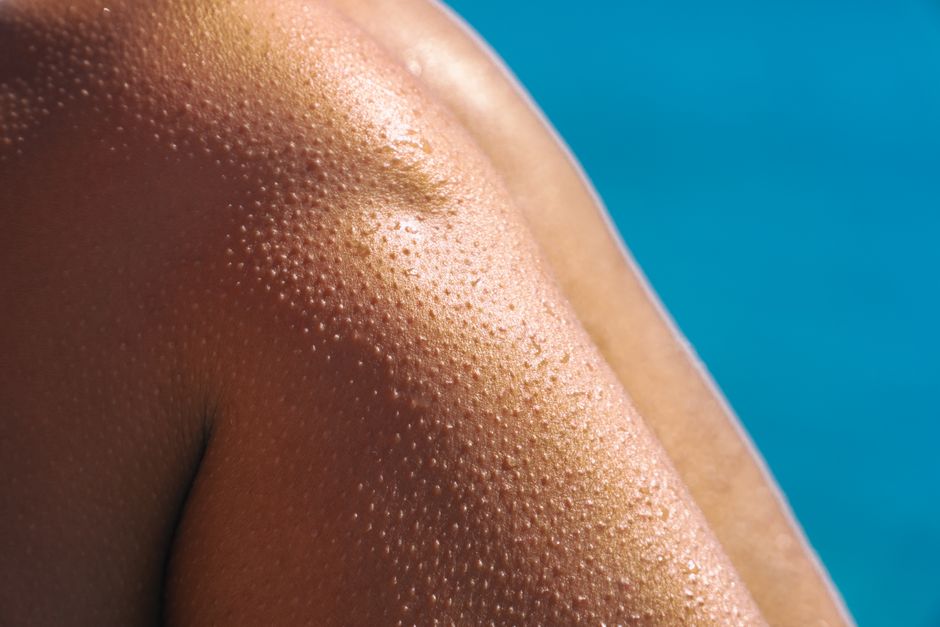
Heat bumps — also called sweat rash or miliaria — happen when sweat gets trapped under your skin. The bumps look like small red or clear blisters. They usually show up on your neck, chest, back, or in skin folds. The good news is most heat bumps go away on their own. The fastest way to remove them is to cool your skin down and keep the area dry. This guide explains what actually works based on real evidence and what is just hype.
What Causes Heat Bumps in the First Place?
Heat bumps form when your sweat ducts get blocked. Your body sweats to cool down. But if the sweat cannot reach the surface of your skin, it gets trapped underneath. That trapped sweat causes small bumps and sometimes inflammation.
Hot and humid weather is the most common trigger. But you can also get heat bumps from exercise, wearing heavy clothing, or staying in a hot car. Babies get them often because their sweat ducts are not fully developed yet. Adults who live in tropical climates or work outdoors are also at higher risk.
The medical name for heat bumps is miliaria. There are different types. Miliaria crystallina is the mildest form with clear, fluid-filled bumps that break easily. Miliaria rubra is more common and causes red bumps that can itch or sting. Miliaria profunda is rare and affects deeper layers of skin.
How To Remove Heat Bumps: What the Evidence Says
Research shows that cooling the skin is the most effective first step. The American Academy of Dermatology recommends moving to a cool, air-conditioned space as soon as you notice the bumps. Then apply a cool compress to the affected area for 10 to 15 minutes. This helps reduce inflammation and allows sweat ducts to open back up.
Keeping the skin dry is equally important. Studies published in the Journal of the American Academy of Dermatology confirm that moisture worsens heat bumps. Pat the area dry gently after cooling. Do not rub. Rubbing can irritate the skin more and make the bumps last longer.
For the bumps themselves, let them be. Do not pop them. Popping increases the risk of infection and scarring. The fluid inside is sterile sweat. It will reabsorb into your body within a few days if you leave it alone.
What Creams and Products Actually Help?
Over-the-counter creams can help with itching but they do not remove the bumps faster. Calamine lotion is a common choice. It cools the skin and reduces the urge to scratch. A study in the Indian Journal of Dermatology found calamine lotion effective for mild heat rash symptoms.
Hydrocortisone cream (1%) can help with redness and swelling. Use it for no more than a few days. Prolonged use can thin your skin. The American Osteopathic College of Dermatology advises against using hydrocortisone on children under two without a doctor’s approval.
Anhydrous lanolin is sometimes recommended for severe cases. It helps prevent sweat duct blockage by keeping the skin lubricated. But evidence for this is limited. Some people report it helps. Others find it too greasy and say it traps heat instead.
Avoid thick ointments like petroleum jelly or heavy moisturizers. They can block sweat ducts further and make things worse. Lotions labeled “non-comedogenic” are safer if you need moisturizer, but even these are not proven to help heat bumps specifically.





Home Remedies That Have Real Evidence Behind Them
Cool baths with colloidal oatmeal are one of the better studied home remedies. Oatmeal has anti-inflammatory properties. A review in the Journal of Drugs in Dermatology found that colloidal oatmeal reduces itching and irritation from various skin conditions, including heat rash. Use lukewarm water — not cold — and soak for 15 to 20 minutes.
Aloe vera gel is another option with some backing. Research published in the Annals of Dermatology shows aloe vera has anti-inflammatory and cooling effects. Use pure aloe gel from the plant or a store-bought version with no added alcohol or fragrance. Apply it gently and let it air dry.
Baking soda paste is widely claimed to help but strong evidence is lacking. Some people report relief from mixing a teaspoon of baking soda with water and applying it to the bumps. The theory is that it neutralizes skin pH. But no clinical studies confirm this works for heat bumps specifically. If you try it, test a small area first and rinse off after 10 minutes.
Cornstarch or baby powder can help keep skin dry. But there is a catch. Talcum powder has been linked to respiratory issues in babies. Cornstarch-based powders are safer. Even then, apply lightly. Caking on powder can mix with sweat and create a paste that blocks ducts.
What to Avoid When You Have Heat Bumps
| What to Avoid | Why It Makes Things Worse |
|---|---|
| Popping or scratching bumps | Increases infection risk and scarring |
| Heavy creams or ointments | Block sweat ducts further |
| Tight or synthetic clothing | Traps heat and moisture against skin |
| Hot showers or baths | Worsens inflammation and dries skin |
| Exfoliating scrubs or loofahs | Irritates already sensitive skin |
One more thing to avoid: antibiotic creams like Neosporin. They are not designed for heat bumps. They treat bacterial infections. Using them unnecessarily can cause skin irritation or allergic reactions. The CDC warns against overusing topical antibiotics for this reason.
Also skip the home remedy of applying toothpaste. This is a viral internet trick with no evidence behind it. Toothpaste contains ingredients like baking soda and hydrogen peroxide that can burn or irritate sensitive skin. Several dermatology clinics have reported cases of contact dermatitis from toothpaste applied to skin.
When Heat Bumps Need Medical Attention
Most heat bumps clear up within two to three days. But sometimes they signal a bigger problem. If the bumps spread rapidly or turn into larger, painful blisters, see a doctor. This could indicate miliaria profunda, which affects deeper skin layers and can disrupt your body’s ability to regulate temperature.
Signs of infection include increased redness, warmth around the area, pus, or fever. The Centers for Disease Control and Prevention notes that infected heat rash can lead to cellulitis if left untreated. Cellulitis is a bacterial skin infection that requires prescription antibiotics.
People with diabetes or compromised immune systems should be more cautious. Their bodies may not fight off skin infections as effectively. If you have one of these conditions and develop heat bumps that do not improve in 48 hours, call your doctor.
For babies, watch for fussiness or fever alongside the rash. Pediatricians at the Mayo Clinic recommend bringing infants to a cool room and removing extra layers first. If the rash does not improve within 24 hours or your baby seems uncomfortable, a checkup is wise.
How to Prevent Heat Bumps From Coming Back
Prevention is straightforward once you understand the cause. Keep your skin cool and dry. Wear loose, lightweight clothing made of cotton or moisture-wicking fabrics. Avoid polyester and nylon in hot weather. These trap heat against your skin.
Take cool showers after sweating. Do not wait hours to wash off. The longer sweat sits on your skin, the more likely ducts will clog. Pat dry instead of rubbing. Then let your skin air out for a few minutes before getting dressed.
Use a fan or air conditioning when possible. If you do not have AC, try a cool mist humidifier. Humidity sounds counterintuitive but a cool mist can lower skin temperature without adding wetness. Just keep the humidifier clean to avoid mold buildup.
If you exercise in heat, change out of sweaty clothes immediately. Shower within 15 minutes of finishing. Some athletes find that applying a light layer of cornstarch powder to sweat-prone areas before exercise helps prevent bumps. This is widely reported anecdotally but not studied clinically.
For people who get heat bumps frequently, a dermatologist may prescribe a low-dose retinoid cream. Retinoids help keep skin cells from clumping and blocking ducts. This is an off-label use but some evidence supports it. A 2018 study in Pediatric Dermatology found topical tretinoin effective for recurrent miliaria in children. Talk to your doctor before trying this.
Frequently Asked Questions
Can you pop heat bumps to remove them faster?
No. Popping heat bumps increases infection risk and can cause scarring. The fluid reabsorbs on its own within a few days.
How long do heat bumps usually last?
Most heat bumps clear up in two to three days with cooling and drying. Some cases last up to a week if the skin stays hot and moist.
Is baby powder safe for heat bumps on adults?
Cornstarch-based powders are safer than talc-based ones. Apply lightly to dry skin. Do not use if the skin is wet or the powder can clump and block ducts.
Can heat bumps turn into something serious?
Rarely. Infected heat bumps can lead to cellulitis. Watch for spreading redness, warmth, pus, or fever and see a doctor if these appear.
