
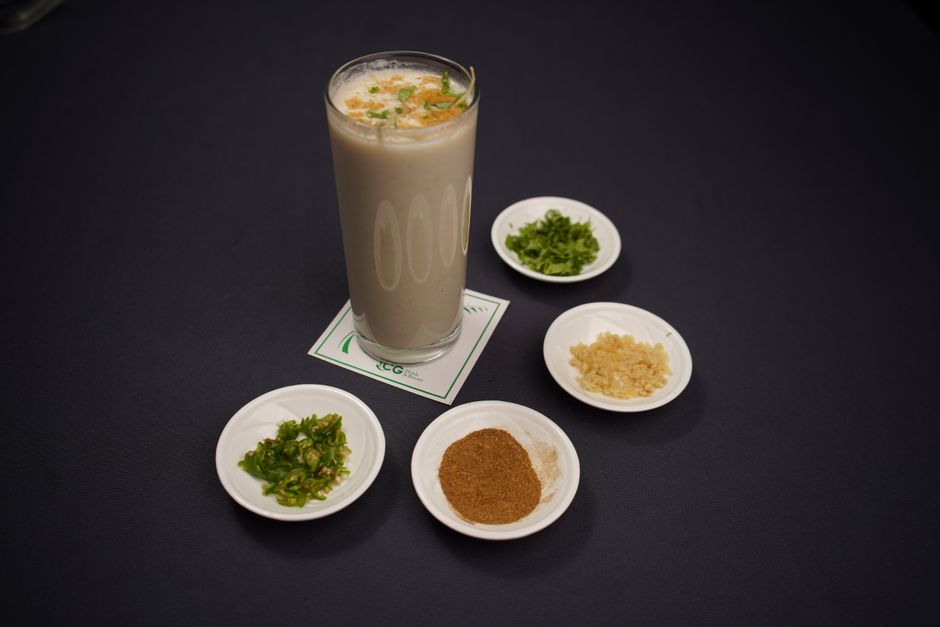
You bite into something spicy and your mouth is on fire. You reach for a glass of milk. Does it actually help? Yes, it does. Milk is one of the most effective drinks for cooling the burn from spicy food. The reason comes down to chemistry. Capsaicin, the compound that makes chili peppers hot, binds to pain receptors in your mouth. Milk contains a protein called casein that grabs onto capsaicin and washes it away. Water just spreads the heat around. Milk removes it. This guide explains why milk works, what research says, and which drinks to avoid.
What Causes the Burning Sensation from Spicy Food?
The heat in spicy food comes from capsaicin. This chemical is found in chili peppers. When you eat it, capsaicin binds to TRPV1 receptors in your mouth. These are the same receptors that detect actual heat. So your brain thinks your mouth is physically burning.
This is not a flavor. It is a pain signal. Your body responds by sweating, flushing, and producing mucus. Some people enjoy this sensation. Others want it gone fast. The key to stopping the burn is removing capsaicin from those receptors. That is where milk comes in.
Capsaicin is fat-soluble and oil-soluble. Water does not break it down. That is why drinking water after eating a hot pepper often makes things worse. The water spreads the capsaicin around your mouth. You end up covering more receptors. The burn gets stronger.
Does Milk Help With Spicy Food? What the Evidence Says
Research shows that milk works better than water for cooling the burn from spicy food. A 2019 study published in the journal Physiology & Behavior tested several drinks against capsaicin burn. Whole milk was one of the most effective. The researchers measured how long the burn lasted and how intense it felt. Milk reduced both significantly compared to water.
The reason is casein. This protein in milk binds to capsaicin. Think of it like soap grabbing grease. Casein surrounds the capsaicin molecules and helps rinse them away from your pain receptors. Water cannot do this because capsaicin does not dissolve in water. It just sits on your tongue.
Skim milk also works. But whole milk works better. The fat content helps too. Capsaicin dissolves in fat. So the fat in milk provides another way to pull capsaicin off your tongue. The combination of casein and fat makes milk a powerful tool against spice.
Which Dairy Products Work Best for Spice Relief?
Not all dairy products are equal. Some work much better than others. Here is a comparison of common options.
| Dairy Product | How It Works | Effectiveness |
|---|---|---|
| Whole milk | Casein binds capsaicin. Fat dissolves it. | High |
| Skim milk | Casein binds capsaicin. Less fat. | Moderate to High |
| Yogurt | Thick texture coats mouth. Casein and fat present. | High |
| Ice cream | Cold temperature numbs. Fat and casein help. | High |
| Sour cream | Fat and casein. Thick coating. | Moderate to High |
| Butter | High fat. No casein. Does not bind capsaicin well. | Low |
| Cheese (hard) | Some fat. Casein present but less accessible. | Low to Moderate |
Yogurt and ice cream are excellent choices. They combine cold temperature, fat, and casein. The cold helps numb the pain temporarily. The fat and casein do the real work of removing capsaicin. A spoonful of plain yogurt works just as well as a glass of milk for many people.
Butter is surprisingly ineffective. It has lots of fat but very little casein. Without casein, the capsaicin does not get washed away as effectively. You end up with a greasy mouth and lingering heat.




What About Non-Dairy Milks? Do They Work?
Almond milk, oat milk, soy milk, and coconut milk are popular alternatives. Do they help with spicy food? Some studies suggest they are better than water. But they are not as effective as cow’s milk.
The reason is casein. Plant-based milks do not contain casein. That protein is only found in animal milk. Some plant milks have fat, which helps dissolve capsaicin. But without casein, the binding action is weaker. A 2021 study in the Journal of Food Science tested almond milk against whole milk for capsaicin relief. Whole milk reduced the burn faster and more completely.
Coconut milk has more fat than other plant milks. It performs slightly better than almond or oat milk. But it still falls short of dairy milk. If you are vegan or lactose intolerant, coconut milk is your best option among plant-based choices. Just know it will not work as well as the real thing.
Soy milk is another option. Some brands contain added fat. But again, no casein. The relief is temporary and incomplete compared to dairy.
What Drinks Make Spicy Food Worse?
Many people reach for water when food is too spicy. This is a mistake. Water spreads capsaicin around your mouth. You end up feeling more heat, not less. The same is true for most watery drinks.
- Water — Spreads capsaicin. Makes the burn worse before it gets better.
- Soda — Carbonation can irritate your mouth further. Sugar does not neutralize capsaicin.
- Beer — Alcohol is a solvent, but beer is mostly water. It does not help much.
- Lemonade or citrus juice — Acid can irritate already sensitive tissue. No evidence it helps.
- Hot coffee or tea — Heat activates more TRPV1 receptors. Makes the burn worse.
Alcohol is interesting. Pure ethanol can dissolve capsaicin. But beer and wine do not have enough alcohol to make a difference. Hard liquor might help in theory. But drinking straight liquor to cool a spicy mouth is not practical or safe. Stick with milk.
A common myth is that sugar neutralizes capsaicin. Some people report that eating sugar or honey helps. This is widely claimed though strong evidence is limited. Sugar may provide a distracting sweet taste. But it does not break down capsaicin the way casein does. If you try it, use a spoonful of honey or sugar directly on your tongue. Do not rely on sugary drinks alone.
Common Misconceptions About Milk and Spicy Food
One myth is that drinking milk before eating spicy food prevents the burn. This is not true. Milk coats your mouth temporarily. But once you eat the spicy food, capsaicin still reaches your receptors. Pre-loading with milk does not stop the pain. It only helps after the burn starts.
Another misconception is that all dairy products work the same. As discussed, butter and hard cheese are not effective. The casein in these foods is less available to bind capsaicin. You need liquid or semi-liquid dairy for the best results.
Some people believe that spicy food damages your taste buds. This is false. Capsaicin triggers pain receptors but does not cause physical damage. The burning sensation fades once the capsaicin is removed. Your taste buds are fine.
There is also a claim that drinking milk after spicy food causes stomach problems. For most people, this is not true. Milk can actually soothe the stomach after spicy food. However, if you are lactose intolerant, milk may cause bloating or discomfort. In that case, use lactose-free milk or a plant-based alternative like coconut milk.
Finally, some people think that spicy food tolerance can be built up quickly. This is partially true. Regular exposure to capsaicin desensitizes your TRPV1 receptors over time. But it takes weeks or months. Drinking milk in the meantime is a practical solution.
Frequently Asked Questions
Does milk help with spicy food better than water?
Yes. Milk contains casein which binds to capsaicin and washes it away. Water only spreads the capsaicin around your mouth.
What type of milk is best for spicy food?
Whole milk works best because it has both casein and fat. Skim milk also works but is slightly less effective.
Can you drink milk after eating spicy food if you are lactose intolerant?
Lactose-free milk works the same way because it still contains casein. Plant-based milks are less effective but better than water.
Does ice cream help with spicy food?
Yes. Ice cream combines cold temperature, fat, and casein which makes it one of the most effective options for cooling the burn.
