
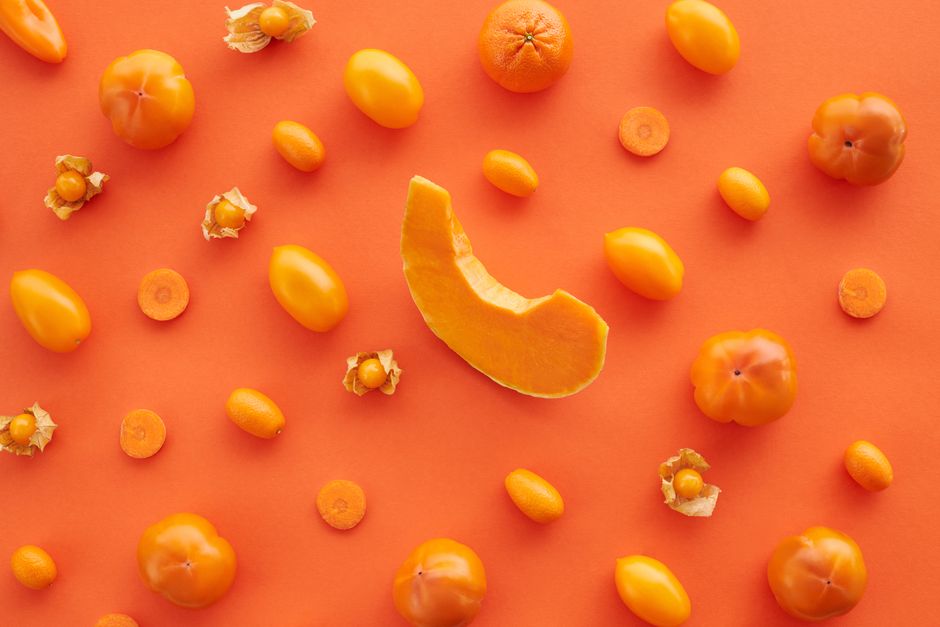
You can eat a whole kumquat, skin and all. Unlike other citrus fruits, the rind is the sweetest part and the flesh is sour. You do not need to peel it. Just wash the fruit, rub it gently to release the oils, and pop the whole thing in your mouth. If the seeds bother you, spit them out. That is the complete beginner method.
What Does a Kumquat Taste Like?
A kumquat is a small citrus fruit about the size of an olive. The flavor is a two-part experience. The thin orange skin tastes sweet, almost honey-like. The pulp inside is tart and tangy, like a lemon or a sour orange.
When you eat a whole kumquat, your brain gets sweet first and sour second. Some people find this contrast surprising. Others find it refreshing. The overall taste is bright and floral, with hints of spice in certain varieties.
There are two common types. The Nagami kumquat is oval and has a tart center. The Meiwa kumquat is rounder and sweeter overall, with less sourness in the pulp. If you are new to kumquats, try a Meiwa first. It is a gentler introduction.
Research published in the Journal of Agricultural and Food Chemistry has identified over 40 volatile compounds in kumquat skin. These compounds include limonene and linalool, which give the fruit its distinctive citrus-floral aroma. The skin contains the majority of the fruit’s antioxidants and essential oils.
Do You Have to Peel a Kumquat?
No. The peel is edible and is the most flavorful part of the fruit. Peeling a kumquat is not only unnecessary, but it also removes the best tasting part.
Some people mistakenly treat kumquats like oranges or tangerines. They try to remove the skin and end up with a tiny, sour, unappealing ball of pulp. That is not how this fruit works. The whole point of a kumquat is the balance between the sweet skin and the sour flesh.
The skin is thin, tender, and completely safe to eat. It contains no tough white pith like an orange. There is no bitter layer to remove. You can eat the entire fruit raw without any preparation beyond washing.
If you find the texture of the skin off-putting, roll the fruit between your palms for 10 seconds before eating. This releases the aromatic oils from the skin and softens it slightly. Some people also slice the kumquat into thin rounds to eat in salads or on yogurt.
How Do You Eat a Kumquat Raw?
Eating a kumquat raw is simple. Follow these steps:
- Wash the fruit under cool water. Rub the skin gently to remove any dirt or wax residue.
- Dry the kumquat with a clean towel.
- Roll the fruit between your palms for a few seconds to release the oils from the skin.
- Pop the whole kumquat into your mouth.
- Chew thoroughly. The skin will burst and the juice will release.
- If you encounter seeds, spit them out discreetly. The seeds are not toxic but they are hard and slightly bitter.
Most people eat between two and five kumquats in one sitting. They are potent little fruits. One kumquat contains about 13 calories, 3 grams of fiber, and a significant amount of vitamin C. The USDA reports that a 100-gram serving of kumquats provides about 73% of the daily recommended intake of vitamin C.
Do not bite into a kumquat like an apple unless you want juice to spray everywhere. The fruit is small enough to eat whole. If you prefer to slice it, cut it into thin rounds. This works well for adding to salads, cheese plates, or cocktails.




How Do You Eat a Kumquat in Recipes?
Kumquats work well in both sweet and savory dishes. Their unique sweet-sour profile makes them versatile in the kitchen.
| Use | How to Prepare | Best Pairings |
|---|---|---|
| Salads | Slice thinly, remove seeds | Arugula, goat cheese, walnuts, vinaigrette |
| Preserves | Slice and cook with sugar | Toast, scones, pork, duck |
| Baked goods | Slice or chop finely | Cakes, muffins, tarts, shortbread |
| Savory dishes | Halve and sauté briefly | Chicken, fish, roasted vegetables |
| Cocktails | Muddle whole or slice | Gin, vodka, sparkling water, mint |
| Chutneys | Chop and simmer with spices | Curries, grilled meats, cheese |
To make a simple kumquat jam, slice 2 cups of kumquats and remove the seeds. Combine with 1 cup of sugar and 2 tablespoons of water in a saucepan. Simmer for 20 minutes until thickened. The result is a bright, tangy preserve with a natural sweetness from the rind.
Some studies suggest that cooking kumquats reduces their vitamin C content by about 25 to 30 percent. If you want maximum nutrient retention, eat them raw or add them to dishes at the very end of cooking.
Are Kumquat Seeds Safe to Eat?
Kumquat seeds are not toxic. You will not get sick if you swallow one accidentally. But they are hard, bitter, and unpleasant to chew.
Most people spit them out. That is the normal way to eat kumquats. You eat the whole fruit, chew the flesh and skin, and then separate the seeds with your tongue before swallowing.
If you are serving kumquats to children, slice them in half and remove the seeds first. The seeds are small and could be a choking hazard for young children. For adults, the seeds are a minor inconvenience, not a danger.
The seeds contain small amounts of compounds called limonoids. These are the same compounds found in grapefruit and lemon seeds. Some animal studies have investigated limonoids for potential health benefits, but there is no clinical evidence in humans that eating kumquat seeds provides any specific advantage. There is also no harm in swallowing a few accidentally.
Common Misconceptions About Kumquats
Several myths about kumquats circulate online. Here are the most common ones and what the evidence actually shows.
Myth: You must peel kumquats. This is the most widespread error. The skin is edible, sweet, and nutritious. Peeling removes the best part. Only peel kumquats if you specifically want to use the pulp for a recipe that requires a sour citrus base.
Myth: Kumquats are a hybrid of an orange and a lemon. This is not accurate. Kumquats belong to their own genus, Fortunella. They are a separate citrus species, not a hybrid. They were classified into their own genus in 1915 by botanist Walter Swingle.
Myth: Kumquats are only available in winter. Peak season is November through March, but kumquats are often available from October through June depending on the growing region. California and Florida both produce kumquats commercially.
Myth: Kumquats are too sour to eat raw. This comes from people who have only eaten the pulp. The whole fruit, eaten properly, is balanced between sweet and sour. If you eat only the inside, you will get a mouth-puckering experience. Eat the whole thing.
Frequently Asked Questions
Can you eat kumquat seeds?
Yes, they are not toxic. But they are hard and bitter. Most people spit them out.
Do you refrigerate kumquats?
Kumquats last about two weeks in the refrigerator. Store them in a plastic bag or container with airflow.
How many kumquats should you eat per day?
There is no official limit. Two to five kumquats is a reasonable serving for most adults.
Can you eat kumquat skin if it has white spots?
White spots are usually dried wax or natural bloom. Wash the fruit thoroughly before eating.
