
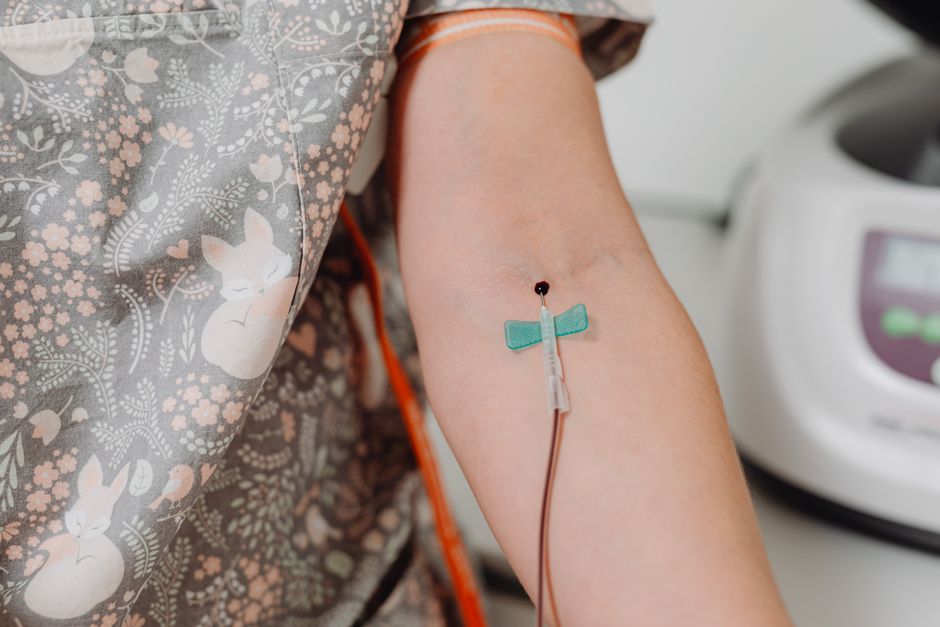
No, you do not need to know your blood type to donate blood. Blood centers determine your type through a simple test on a small blood sample before or during your donation. You only need to be in good general health and meet the basic eligibility requirements. The blood center handles all the testing and will tell you your type if you ask.
How Blood Centers Determine Your Blood Type
When you arrive to donate, a staff member takes a tiny drop of blood from your finger. This is called a fingerstick test. The sample is tested to determine your ABO group and your Rh factor. That gives you your full blood type, such as A positive or O negative.
The fingerstick test also checks your hemoglobin level. Hemoglobin is the iron-rich protein in red blood cells that carries oxygen. If your hemoglobin is too low, you may be asked to wait and try again another day. This is a safety measure to protect you from becoming anemic after donating.
You do not need to do anything to prepare for this test. No fasting is required. You can eat and drink normally before donating, and staying hydrated is encouraged.
Why Your Blood Type Matters for Transfusions
Your blood type is determined by the presence or absence of certain antigens. Antigens are markers on the surface of your red blood cells. The two main systems are the ABO system and the Rh system.
In the ABO system, you have one of four types: A, B, AB, or O. The Rh system adds either a positive or negative sign based on whether you have the Rh antigen. This creates eight possible blood types: A+, A-, B+, B-, AB+, AB-, O+, and O-.
Receiving incompatible blood can trigger a dangerous immune reaction. Your body may attack the donated blood cells if they carry antigens your body does not recognize. That is why matching blood types between donor and recipient is critical for safe transfusions.
Type O negative blood is often called the universal donor. It lacks A, B, and Rh antigens, so it can be given to patients of any blood type in emergencies. Type AB positive is the universal recipient, meaning people with this type can receive blood from any donor.
The Difference Between Donating Whole Blood and Other Types
Whole blood donation is the most common type. It contains red blood cells, plasma, and platelets. The blood center separates these components after donation so each can be used for different patients.
Some donors give only specific components. Platelet donation uses a machine called an apheresis machine. It draws your blood, removes the platelets, and returns the rest to your body. Plasma donation works similarly.
For any type of donation, you still do not need to know your blood type in advance. The blood center tests every donation. Even returning donors are tested each time they donate. This double-checking ensures patient safety.


What Happens After You Donate
After your donation, the blood center runs additional tests on your blood. These tests screen for infectious diseases that could be transmitted through transfusion. This includes testing for HIV, hepatitis B, hepatitis C, and other infections.
Your donated blood is not used immediately. It goes through processing and testing first. The entire process takes about one to two days before the blood is ready for hospital use.
You can find out your blood type after donating. Most blood centers provide this information on your donor card, in your online donor portal, or when you call to ask. Some people learn their blood type this way for the first time.
Basic Eligibility Requirements for Donating Blood
Blood donation has standard eligibility criteria that apply to most donors. You must be at least 17 years old in most states, though some states allow 16-year-olds with parental consent. You must weigh at least 110 pounds.
You must be in good general health on the day of donation. If you have a cold, flu, or fever, you will be asked to wait until you recover. If you have recently had surgery or a tattoo, there may be waiting periods before you can donate.
Some medications and medical conditions may affect eligibility. Certain blood thinners, for example, require a waiting period. The blood center staff will review your health history with you in a confidential interview before you donate.
Iron levels matter for donation. If your hemoglobin is below the minimum threshold, you cannot donate that day. The threshold is typically 12.5 grams per deciliter for women and 13.0 grams per deciliter for men. These are standard values used by most blood centers in the United States.
Common Myths About Blood Donation and Blood Type
One common myth is that O negative blood is rare. It is not the rarest type. About 7 percent of the population has O negative blood. The rarest type is AB negative, found in about 1 percent of people.
Another myth is that you can request your blood type be changed or that your blood type affects your personality. Neither is true. Your blood type is genetically determined and fixed for life.
Some people believe they cannot donate because they do not know their blood type. This is not a barrier. The blood center does the testing. Your job is simply to show up healthy and hydrated.
A persistent myth suggests that donating blood weakens your immune system. There is no evidence supporting this. Your body quickly replaces the donated red blood cells, typically within a few weeks. Plasma and platelets replenish even faster.
How Often You Can Donate
How often you can donate depends on the type of donation. Whole blood donation requires an 8-week wait between donations. This allows your body to fully replace the red blood cells you gave.
Platelet donation has a shorter interval. You can donate platelets every 7 days, up to 24 times per year. Plasma donation also allows more frequent donations, typically every 28 days.
These intervals exist to protect your health. Giving blood too frequently can deplete your iron stores and lead to anemia. The waiting periods are based on how long it takes your body to recover.
What to Do Before Your Donation Appointment
Drink extra water in the 24 hours before your appointment. Being well-hydrated makes your veins easier to find and helps prevent dizziness. Eat a healthy meal before donating, but avoid fatty foods.
Get a good night’s sleep the night before. Wear comfortable clothing with sleeves that can be rolled up above the elbow. Bring a form of identification, such as a driver’s license or donor card.
If you are unsure whether you are eligible, contact the blood center ahead of time. They can answer questions about medications, travel history, and medical conditions. It is better to ask before you arrive than to be turned away.
Frequently Asked Questions
Can I donate blood if I do not know my blood type?
Yes. Blood centers test your blood type from a fingerstick sample before you donate. You do not need to know your type in advance.
How long does it take to find out my blood type after donating?
Most blood centers can tell you your blood type within a few days after your donation. You may receive this information on your donor card or through their online portal.
Is O negative blood really the universal donor type?
Yes. O negative blood lacks A, B, and Rh antigens, so it can be safely given to patients of any blood type in emergencies.
Can I donate blood if I have low iron?
If your hemoglobin is below the minimum threshold, you will not be able to donate that day. You can often donate later after improving your iron levels through diet or supplements.
